L'Interlope (cabaret)
Directed by Serge Bagdassarian
Du 21 February au 11 March
Discover the play
-
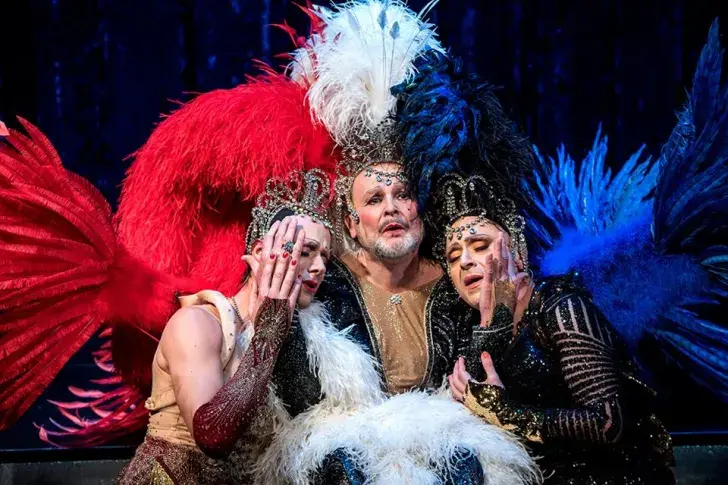
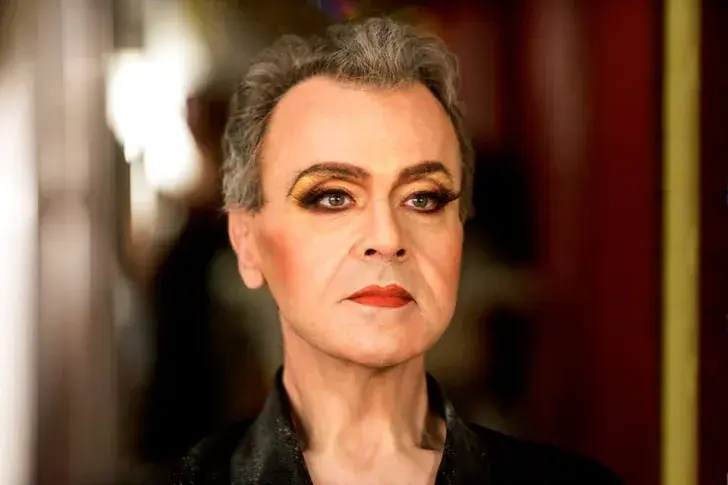
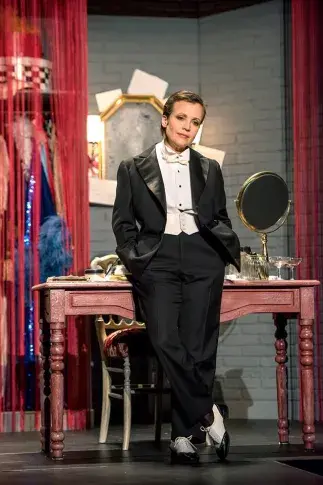
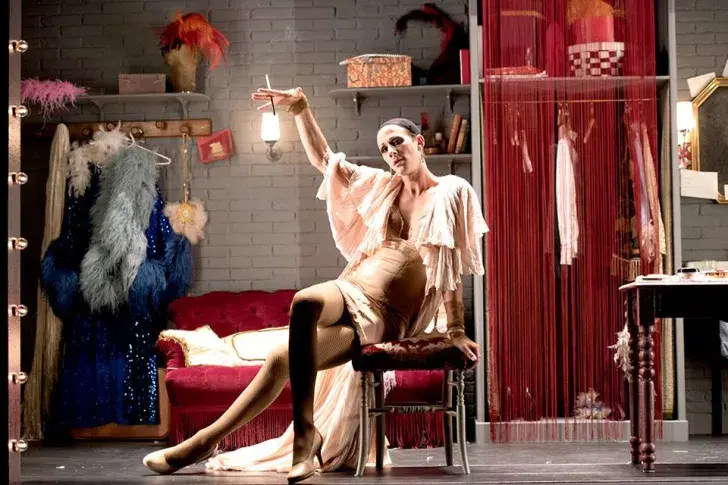
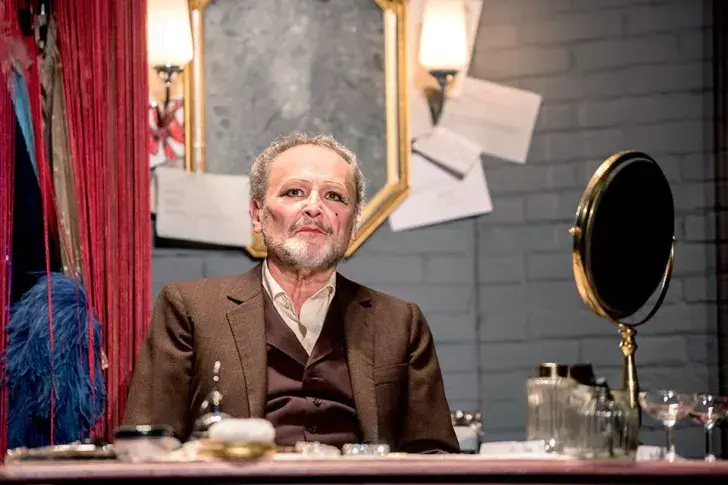
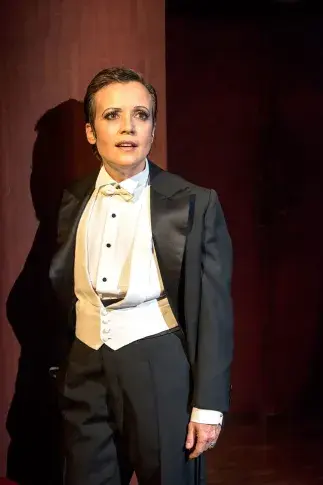
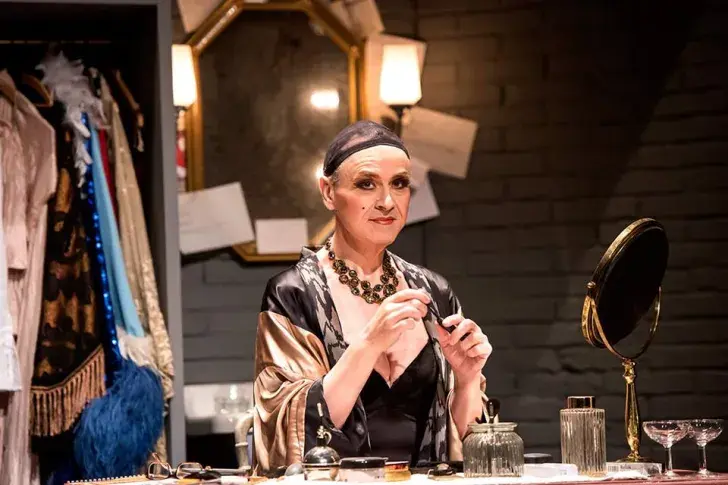
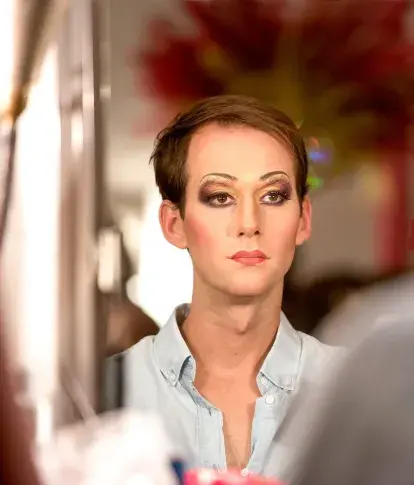
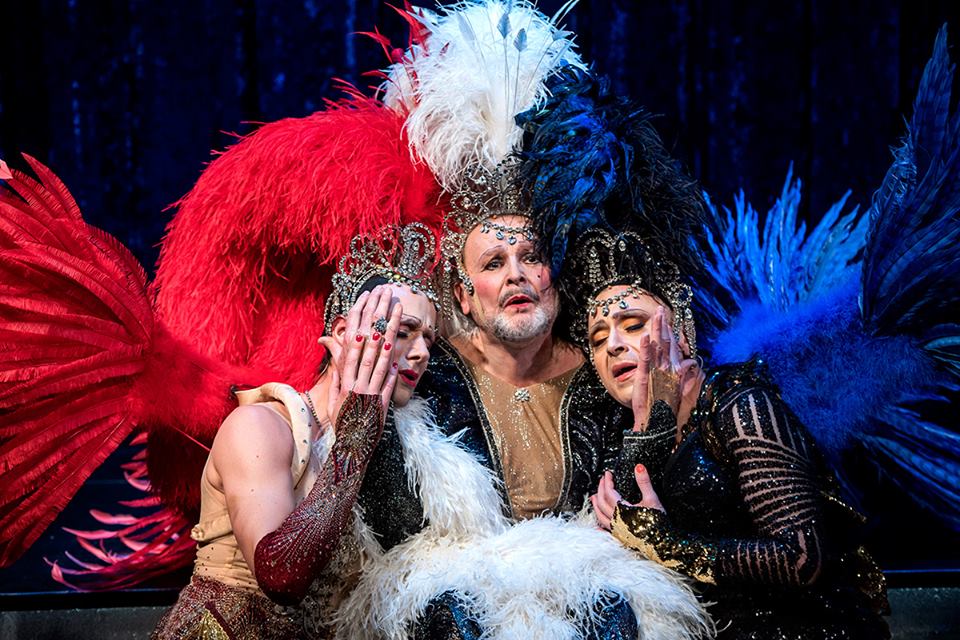
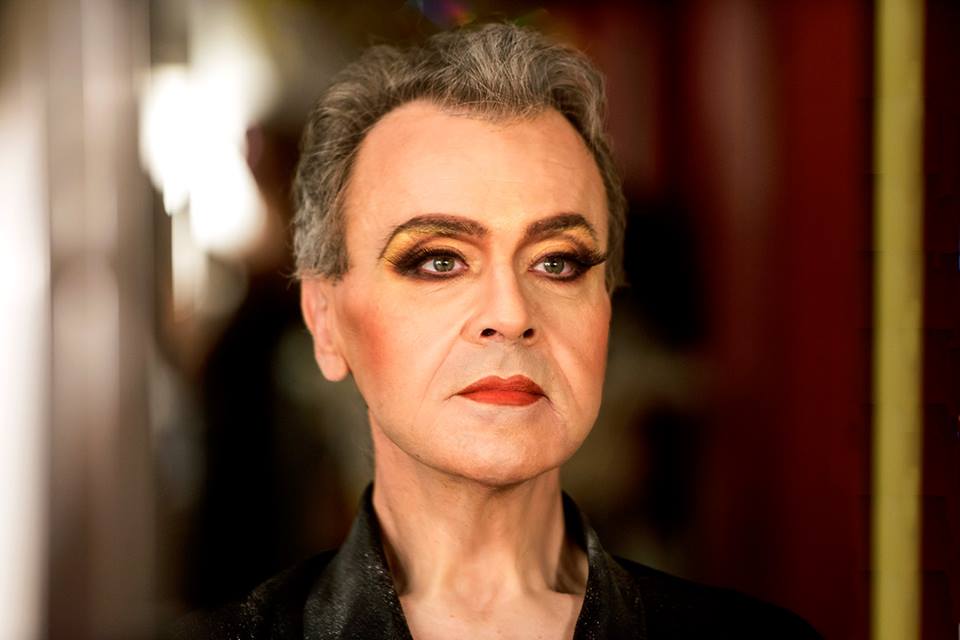
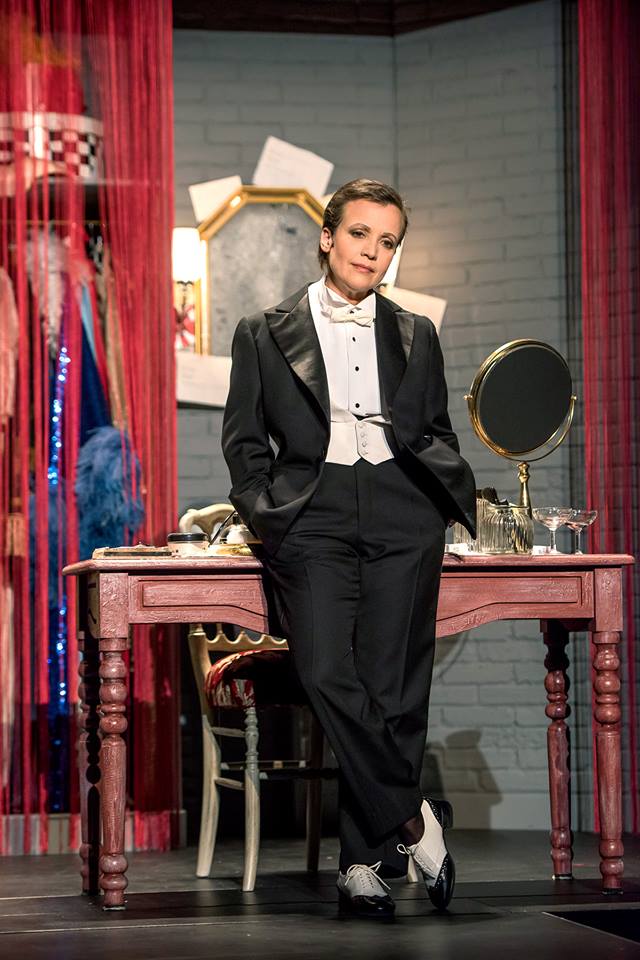
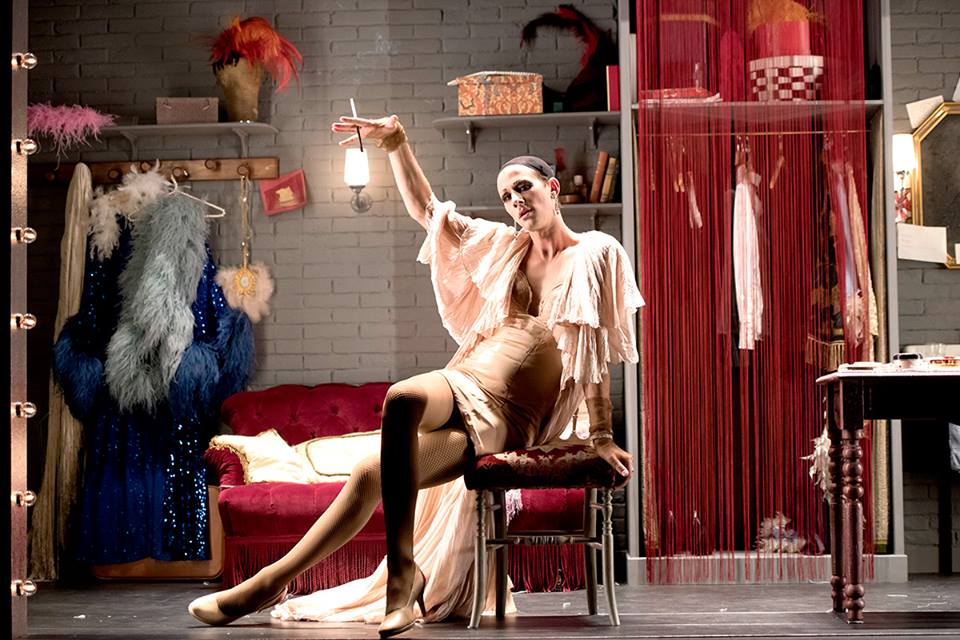
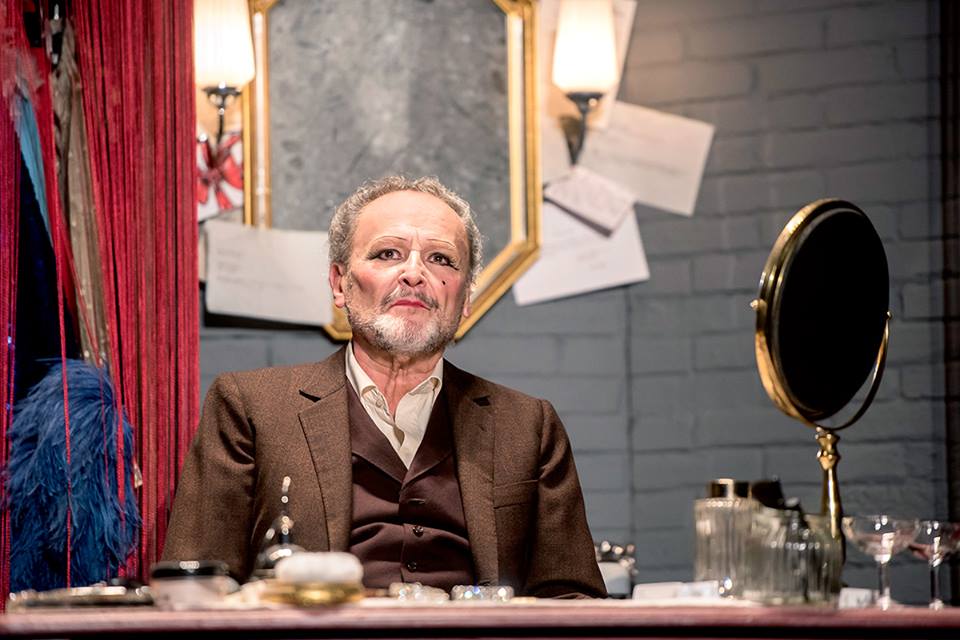
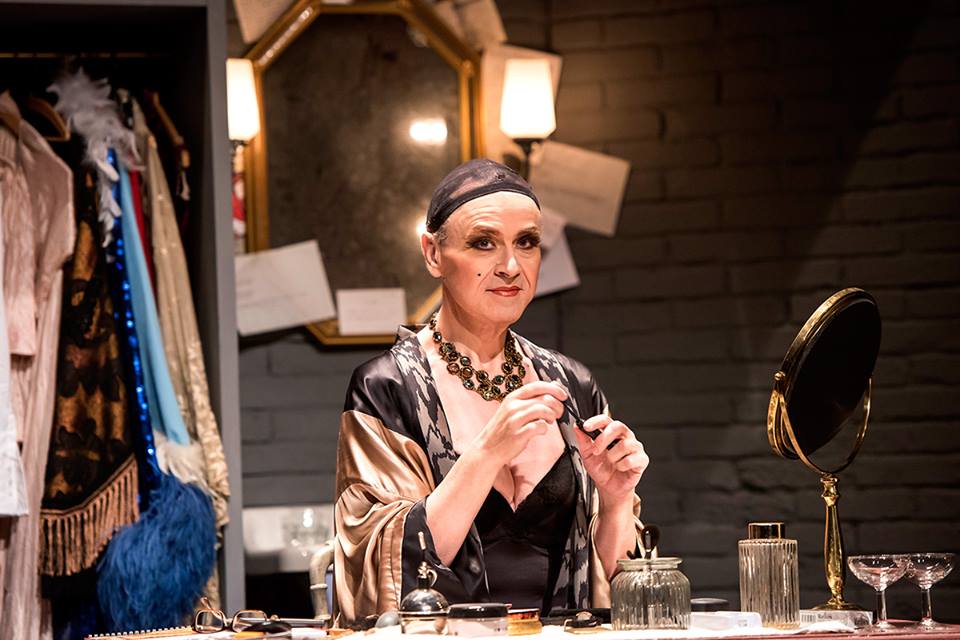
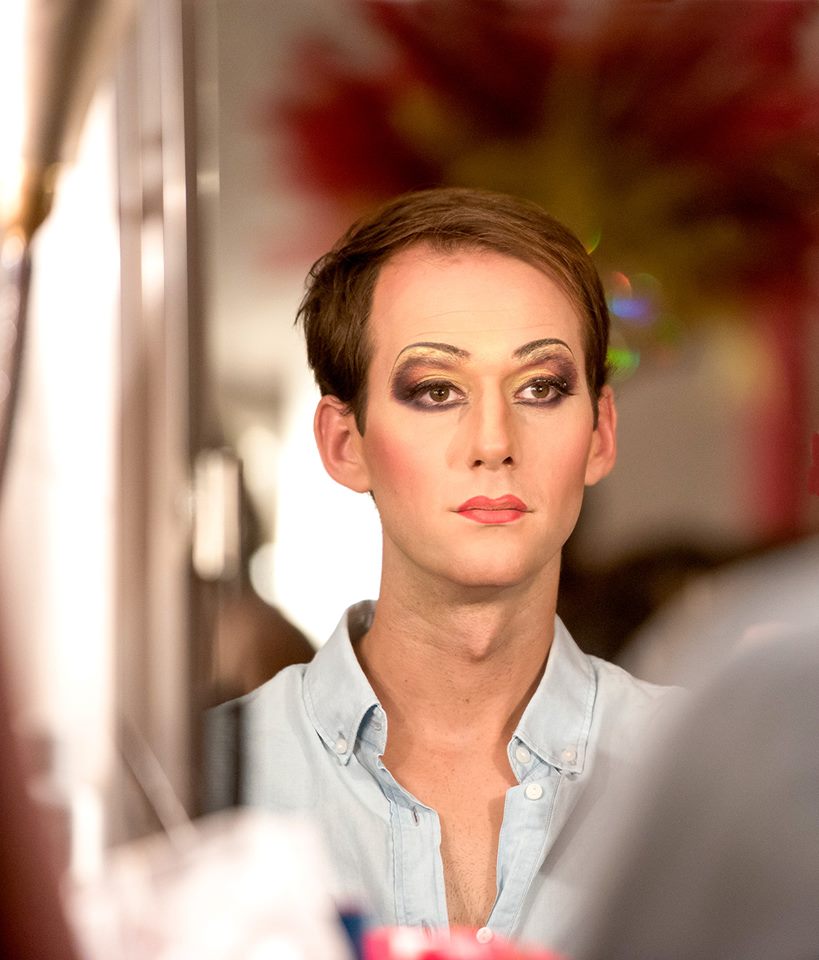
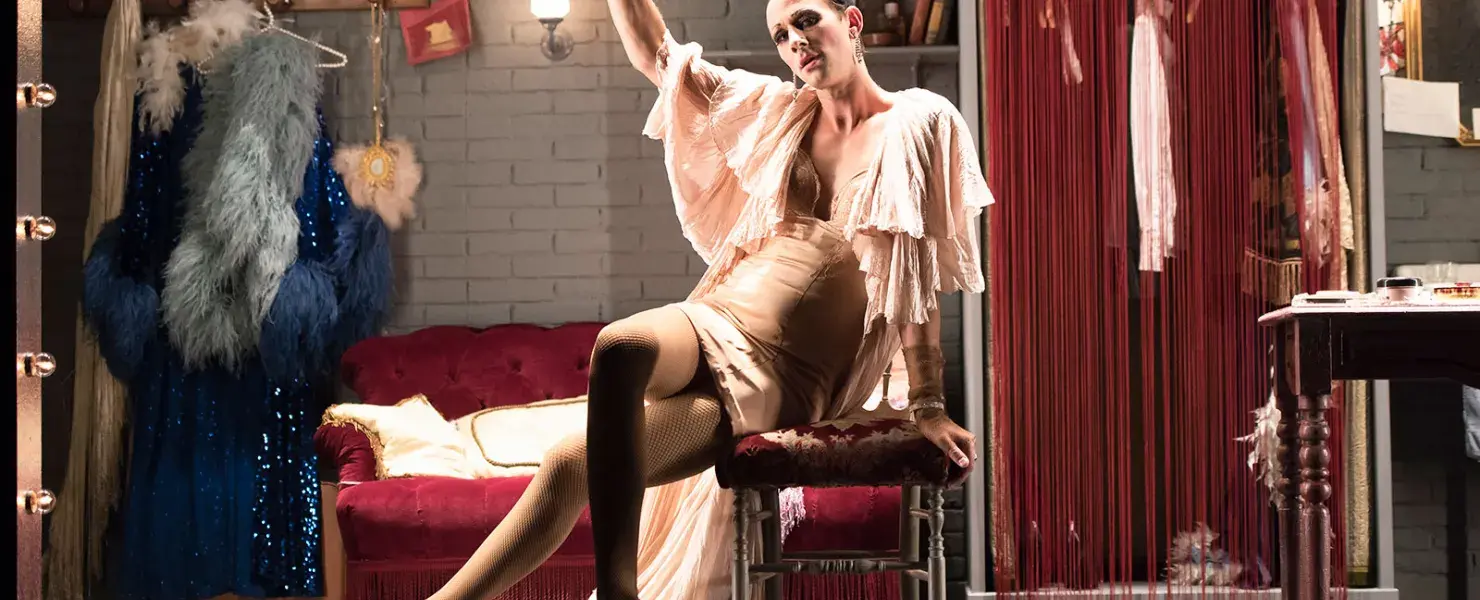
That of a homosexual subculture, which, in Paris of the interwar period, found an outlet in cabarets and transvestite balls. In L’Interlope, premiered in autumn 2016, Serge Bagdassarian does not merely recreate a period cabaret: he takes us behind the curtain, to the intermediary space of the dressing rooms, this space of intimacy that precedes the baring of the body, a space of transformation for the cross-dresser, a place where things may be spoken in confidence and the bleak suffering of the outside world may be expressed.
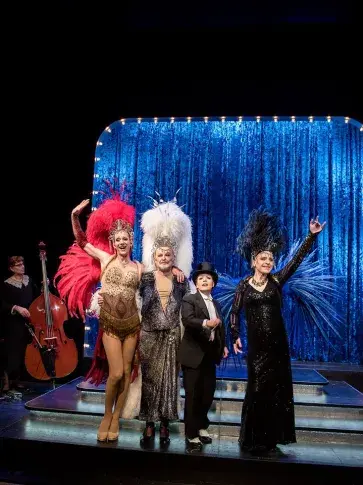
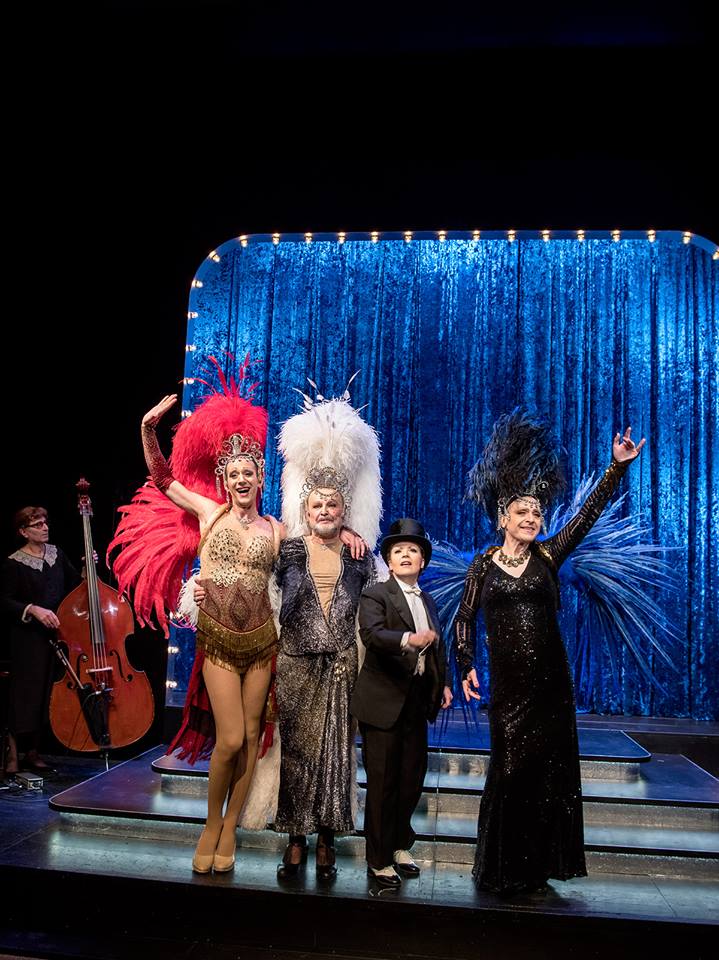
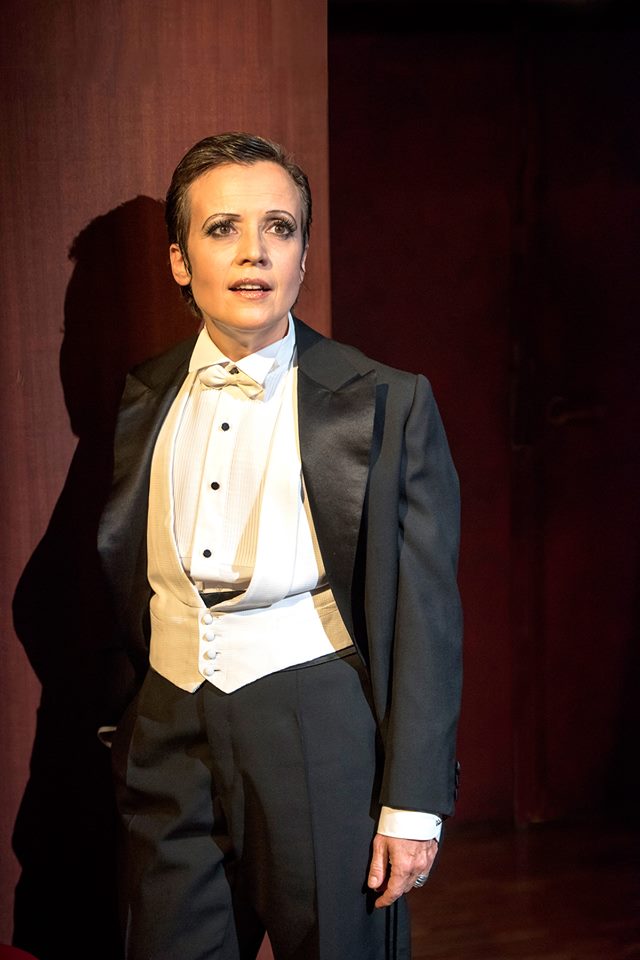
Three generations of men and one woman give us insights into their daily torments; the outlook of the older ones is tinged with nostalgia and fear but they look to the new generation with hope. Soon the world of the revue takes centre stage, with feathers, rhinestones and sequins announcing extravaganza and celebration.
The repertoire of this show borrows of course from the emblematic songs of the interlope genre but above all it sets out to include texts and melodies that evoke, either directly or allusively, the question of sexual identity and the coercive environment in which these cabarets formed havens of freedom. Far from grimacing farce, Serge Bagdassarian’s staging paints the picture of an era in bittersweet colours.Originally, “cabaret” designated a modest drinking establishment. It took on the meaning associated with it today thanks to Rodolphe Salis, who, in 1881, made the Chat noir in Montmartre a gathering point for the artistic circles of his time but also a place where different social classes mixed. The cabarets presented eclectic shows in which singers featured strongly, and many great artists made their debuts in these venues.
While today cabaret is synonymous with musical shows, it continues to function as a space of artistic freedom open to all forms.
The Société du Caveau, a Parisian singing society (goguette) created in 1729 as the first establishment of its kind, was frequented by playwrights on the fringes of the “official circuit” of the Comédie-Française. Authors who wrote for the fairground theatres used to imbibe there, in the hope that it would bring inspiration. A famous painting by Jacques Autreau immortalised one of those famous lunches featuring the authors Panard, Piron and Collé at a gathering that was in equal parts festive and creative.
The musical “cabaret” form has enjoyed a long history at the Comédie-Française since the first show of this kind was staged, namely Paris-cabaret (1993 and 1995). Since then, the singing and musical talents of the actors in the troupe have been showcased in the Cabaret des mers (2007), the Cabaret érotique (2008), La Prochaine Fois je vous le chanterai à la Comédie-Française (2010),Chansons des jours avec et chansons des jours sans (2010), Chansons déconseillées (2011), Nos plus belles chansons (2012),Cabaret Boris Vian (2013), Quatre femmes et un piano (2013), Cabaret Brassens (2014), Cabaret Barbara (2014), Cabaret Léo Ferré (2016) and L’Interlope (cabaret) (2016 and 2017).
-
Staging: Serge Bagdassarian
Music: Benoît Urbain
Scenography and lights: Éric Dumas
Costumes: Siegrid Petit-Imbert
Make-up and hairstyling: Véronique Soulier-Nguyen
Documents
-
Télécharger le PDF (216.61 KB)
Fiche bibliographique L’Interlope 16/17
Sélection de films et de livres de photographie par Serge Bagdassarian pour le service éducatif -
 Télécharger le PDF (1.72 MB)
Programme L'Interlope 17/18
Programme de L'Interlope (cabaret). Conception et mise en scène : Serge Bagdassarian. Musiques originales, direction musicale et arrangements : Benoît Urbain. Studio-Théâtre (saison 2017/2018).
Casting
-
-
and the musicians
Benoît Urbain: Piano
Olivier Moret: Contrebass