Le Voyage de G. Mastorna
after Federico Fellini
Directed by Marie Rémond
Du 28 March au 5 May
Discover the play
-
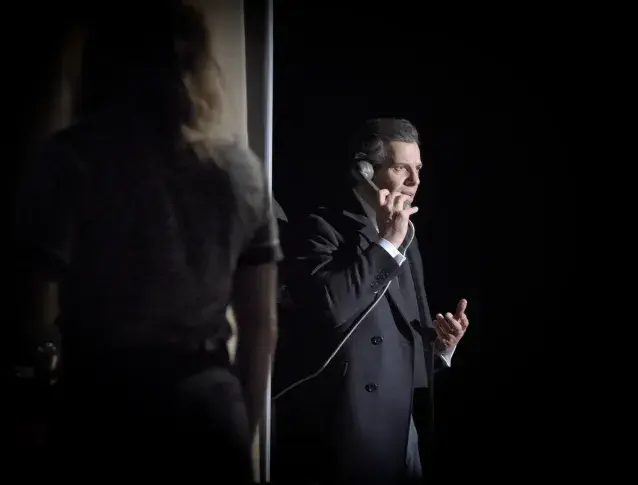
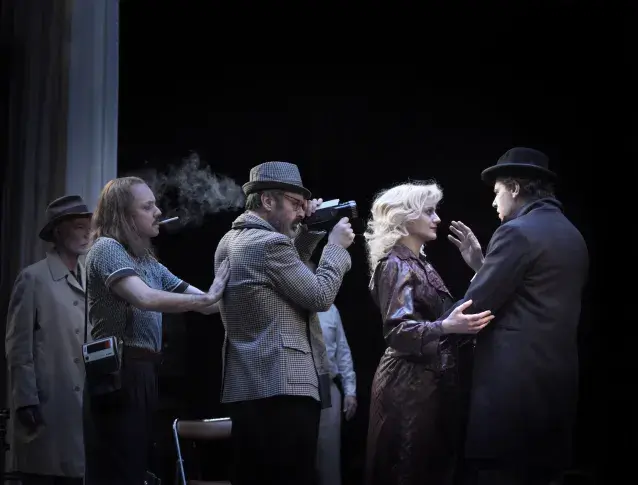
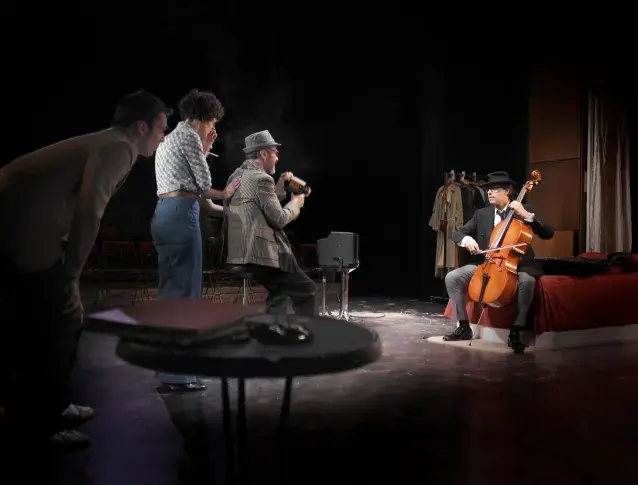
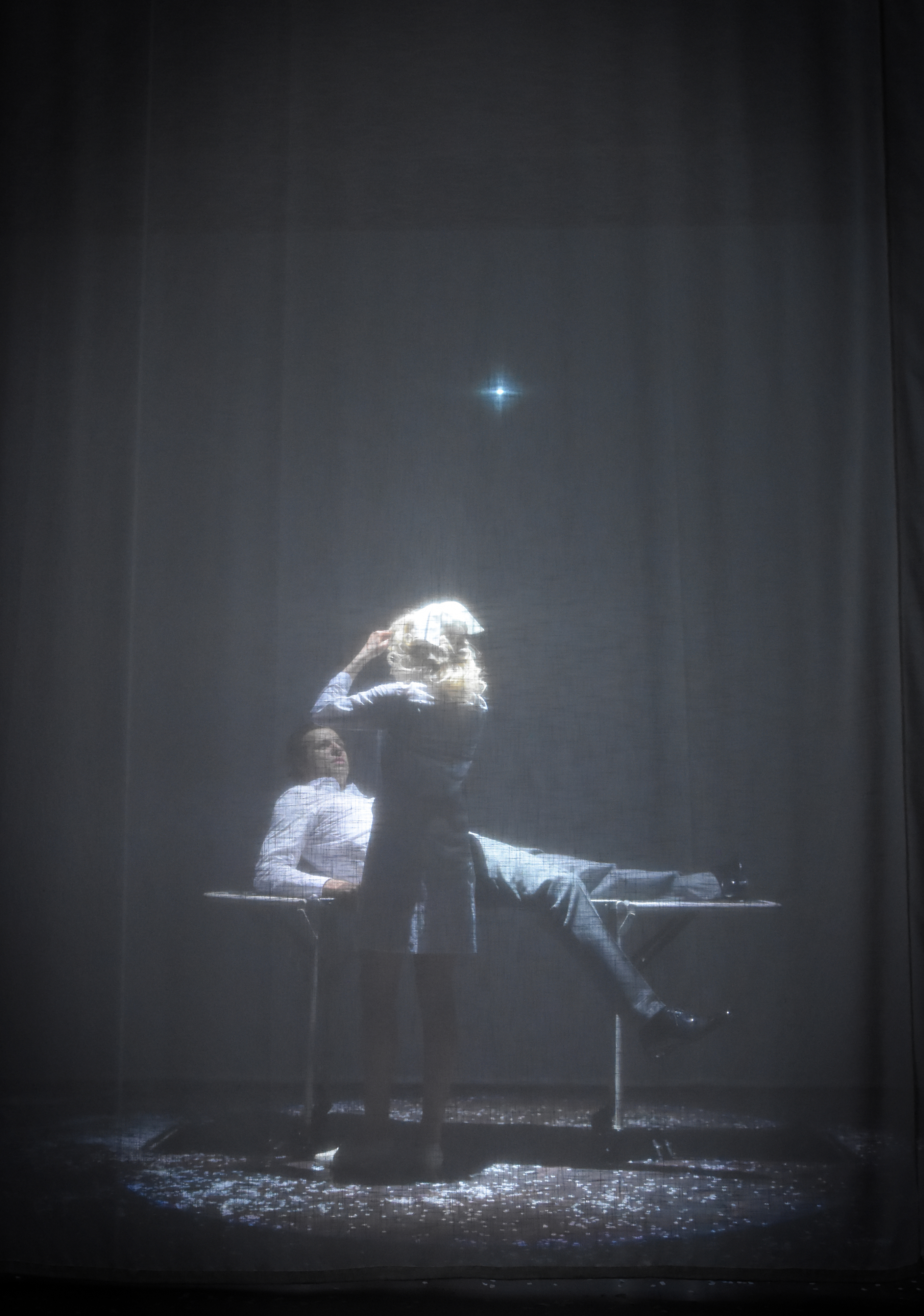
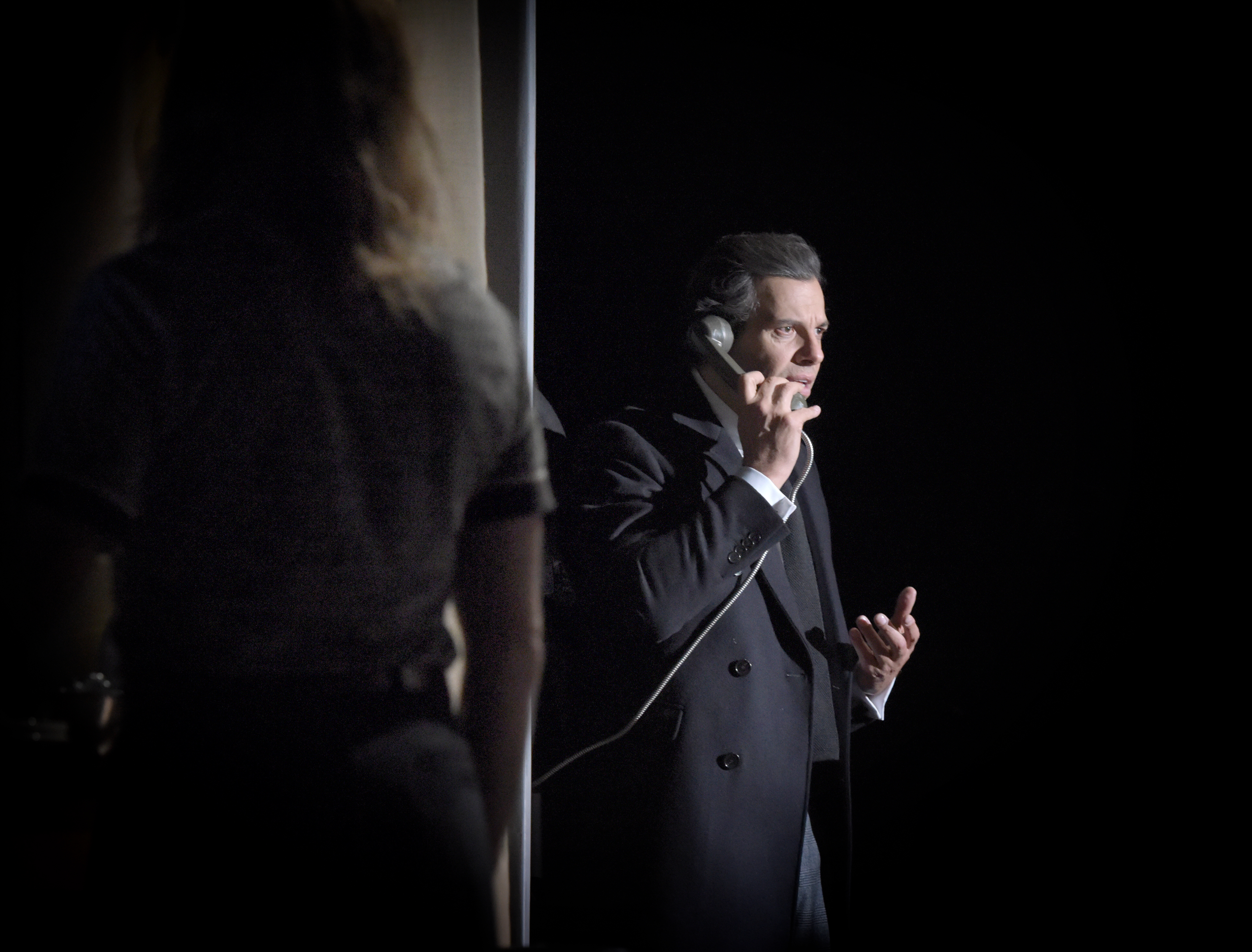
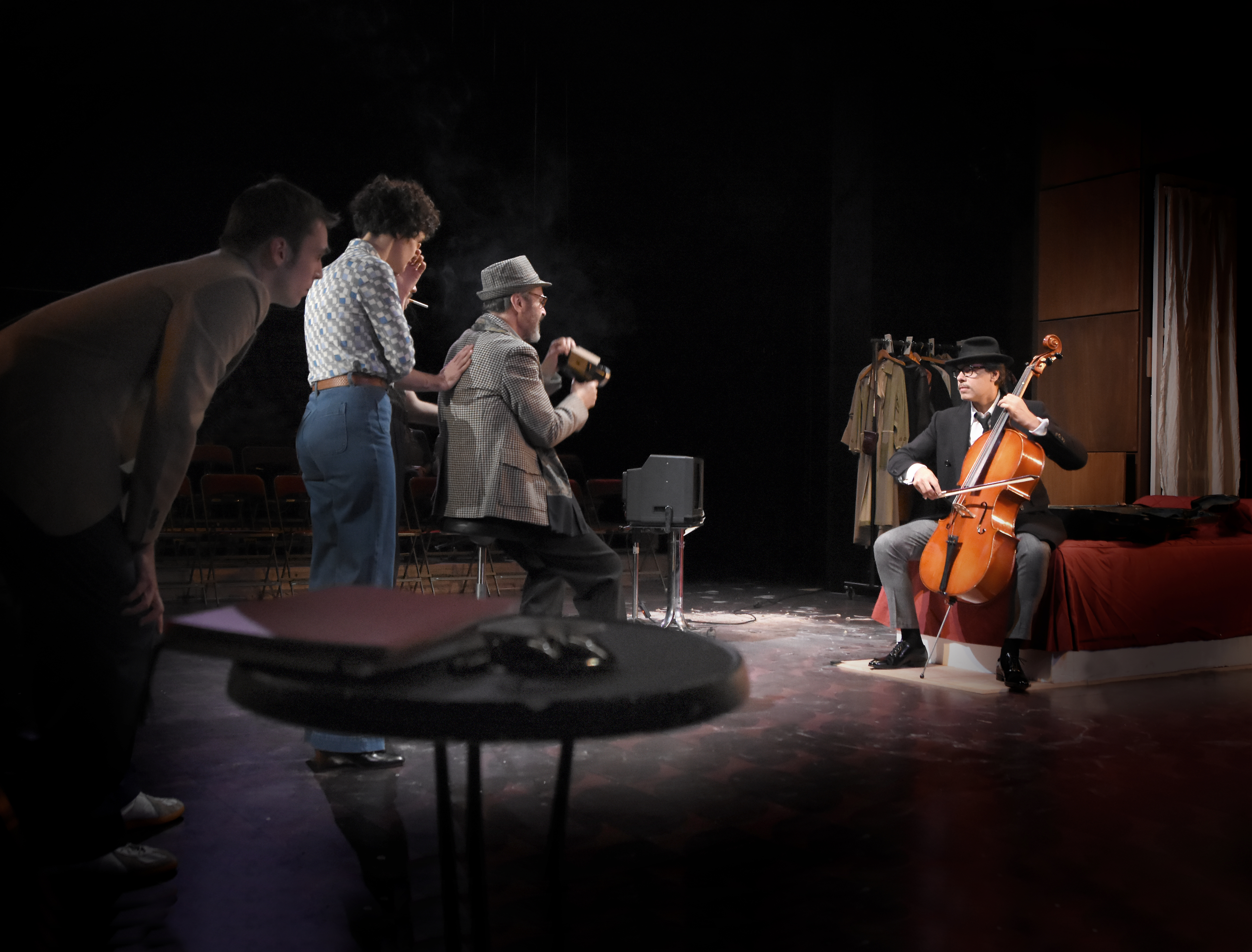
A project he described as the most important in his life and which he elevated to the status of myth. At the height of his glory, when he had just shot 8½ and Juliet of the Spirits, he threw himself into this “metaphysical thriller”. There is something of Dante’s Divine Comedy in the odyssey of Giuseppe Mastorna, an internationally renowned cellist who becomes the victim of an airplane accident and finds himself in a sort of limbo city, a baroque and nightmarish afterlife. Unable to prove his identity, “he has lost the most authentic meaning of life”, explains the Italian director, who submits his “double” to a series of Kafkaesque tests.
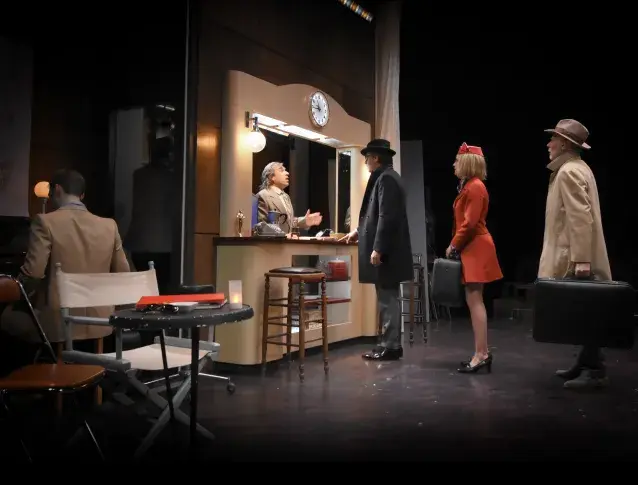
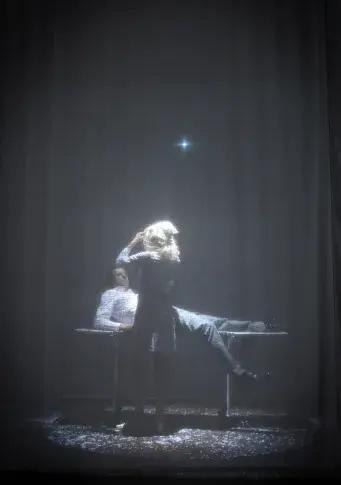
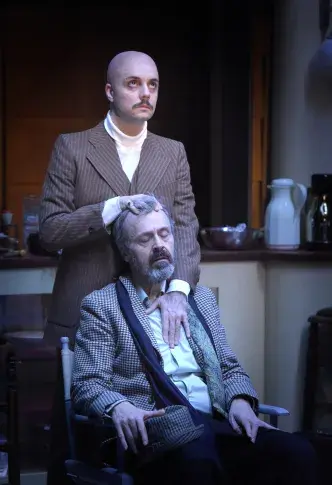
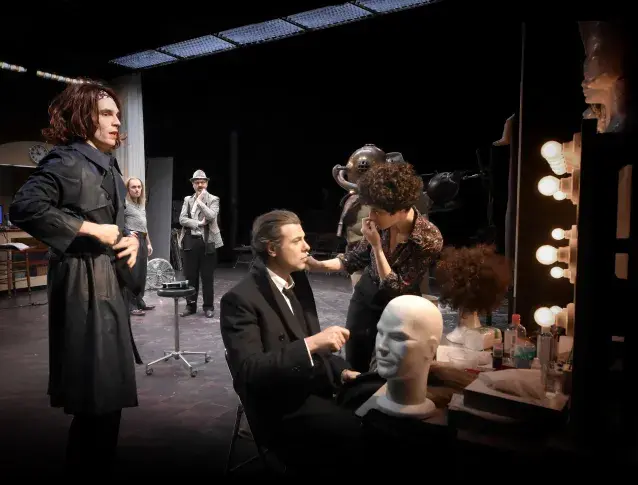
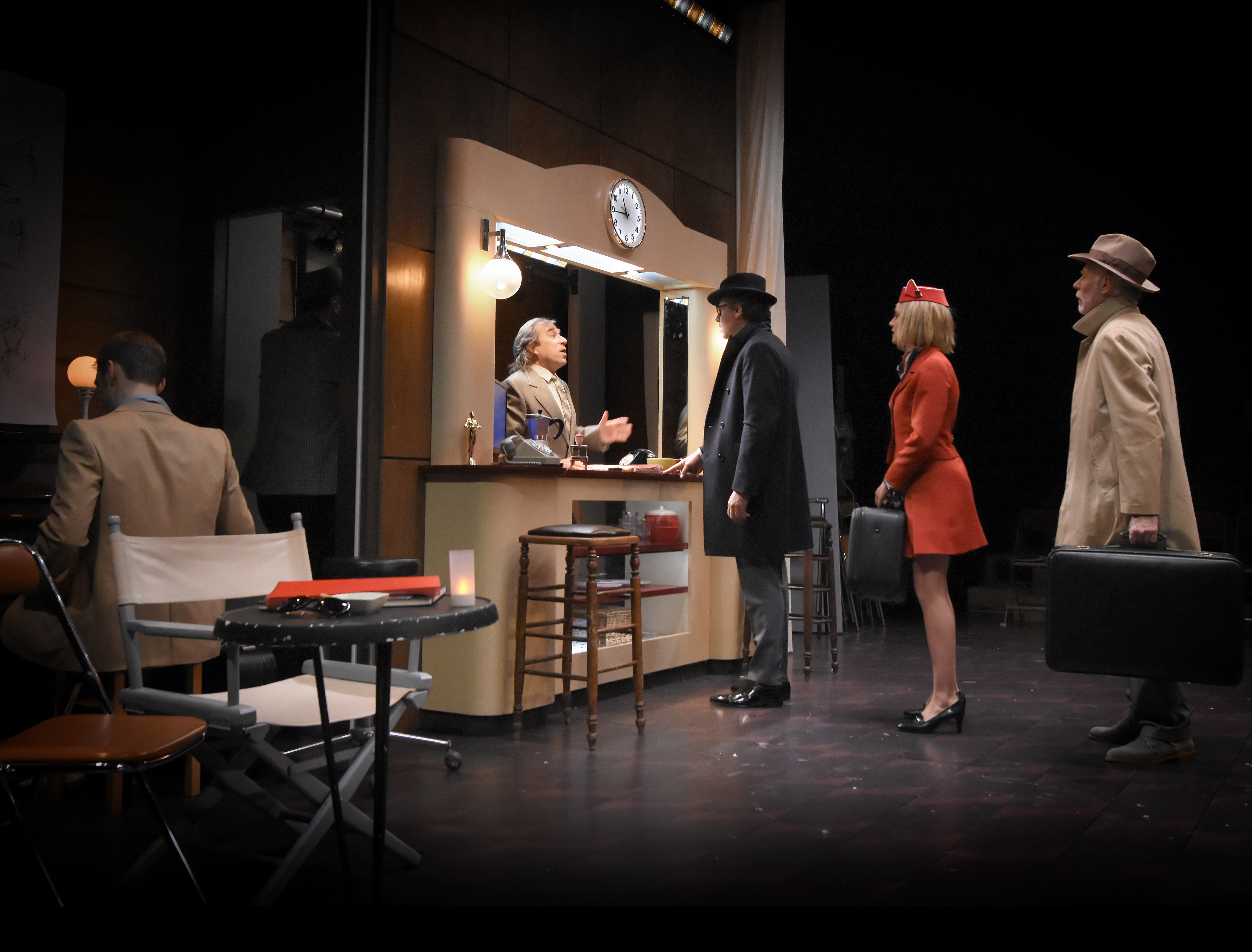
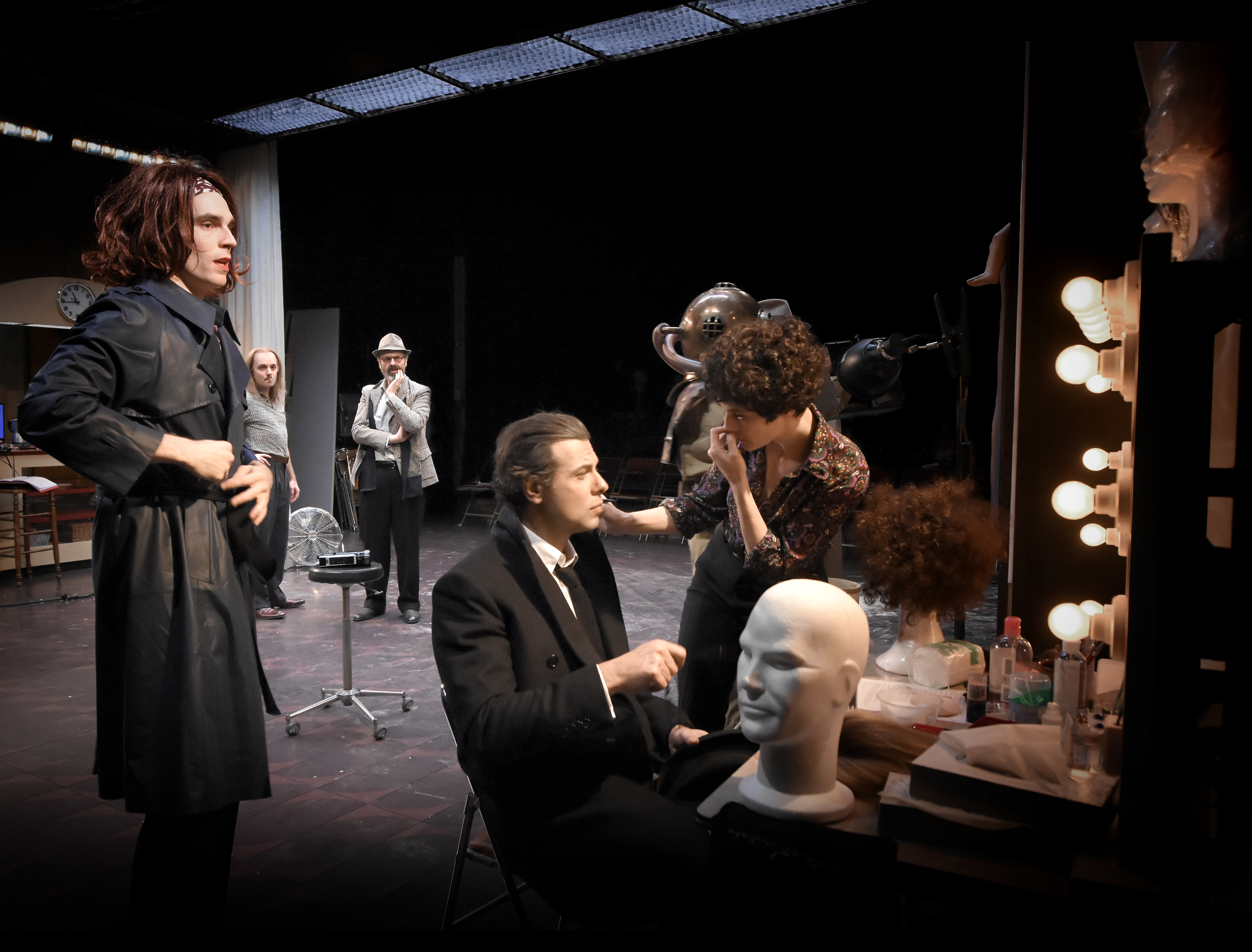
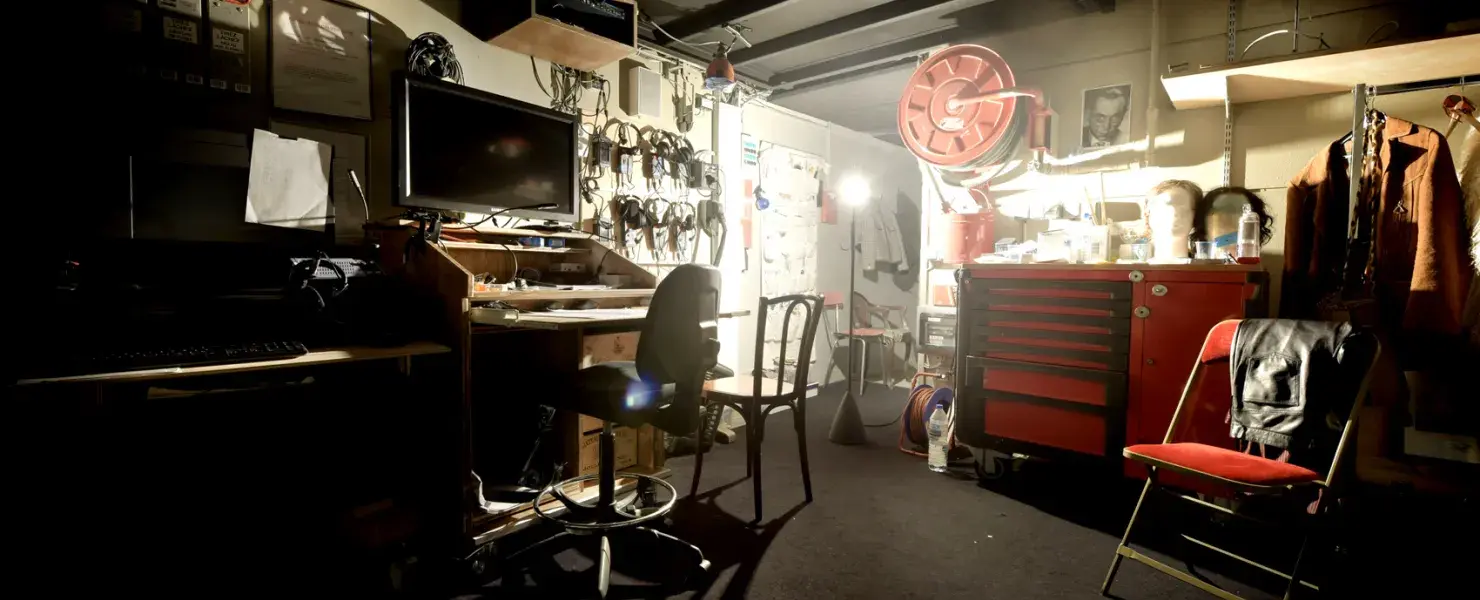
Marie Rémond draws from the multiple traces left by the director: his script-synopsis written in collaboration with Dino Buzzati and Brunello Rondi, a documentary made on the location of the first screen tests, and a comic strip created with the cartoonist Milo Manara. As in her memorable Comme une pierre qui... [Like a Rolling…] at the Studio-Théâtre in 2015 in which she already reflected on the act of creation, through the figure of Bob Dylan in this case, she transforms the stage of the Théâtre du Vieux-Colombier into an artist’s studio, making it at the same time an intimate space, a zone of discussion and conflict, and an area in which to play with the actors. The incredible plot of the Voyage de G. Mastorna thus combines with the story of a film plagued by monumental costs – the producer Dino De Laurentiis sued his filmmaker friend for a reimbursement –as well as the tale of a cursed work, a man who doubts life and art, and a director’s excessive identification with his character and fetish actor Marcello Mastroianni.NEW PRODUCTION
Staged in a bifrontal deviceWHILE ARTIST CHARACTERS (painters, sculptors, actors, authors) often feature in the theatrical repertoire, the act of creation, “art in the making”, is on the other hand a rare theme that requires careful handling. How does one avoid simplifying a phenomenon that is as complex as it is varied in its expressions?
Personifying artistic creation
The recourse to allegory or myth provides playwrights with an immediately understandable way to speak of artistic creation. Muses are thus present in eighteenth-century allegorical comedies, as are mythical characters who serve as symbols of the creative act. Pygmalion is the subject of a comedy by Louis Poinsinet de Sivry (1760), an operatic scene based on a text by Jean-Jacques Rousseau (1775), and a play by Georges Bernard Shaw (1914). Orpheus is evoked in many operas and plays, including Pierre Corneille's La Toison d’or (The Golden Fleece) (1660).
Invented characters can also be used for this purpose, as recently in Pascal Rambert’s play Une vie (A Life) (2017), which reflects on the origins of the desire to create.Depicting artistic creation
Apart from these symbolic evocations, the creative process depicted on stage is most often related to a performance, in the sense that it is understood in the field of art.
In the operatic repertoire, vocal performance –characterised by passages of remarkable technicity and virtuosity– in itself constitutes a means of exalting the creative act, as exemplified by the singing contest that is woven into Richard Wagner’s Tannhäuser libretto. Moreover, the tradition of Italian bel canto, which showcases the singers’ virtuoso vocal abilities to the detriment of stage action, makes the plot secondary to the performers’ prowess, with singing exercises prolonged through improvisation that can be compared to a technical, physical and artistic performance.In the theatre, whether the performance is fictional (skilfully rehearsed and defined to appear improvised), real (developed entirely in the course of the performance), or partially real (improvised within a given framework), it plays on the uniqueness of the staging. It then depicts the spontaneity, meanders, regrets as well as the bursts of poetry that constitute the creative act.
Among the famous examples of “real performance” –despite the anachronism of the term in this case– Antonin Artaud’s “Vieux-Colombier lecture” in 1947 perfectly depicts the “pure” creative act, the mobile thought of an artist in the twilight of his work, appearing on stage for the last time. Recently discharged from psychiatric internment and greatly diminished physically, Artaud reconnected with a highly expectant audience –the Parisian intellectuals who admired him as a great theoretician of theatre– but got lost in his preparatory notes, which led him to largely improvise. He ended up leaving the stage in front of an audience both disconcerted and fascinated. The text of the lecture itself, reconstructed from Artaud’s notes and testimonies, would later become a work itself, performed by Philippe Clévenot in a recreation of this lecture in 1995.
In contrast, the fictional performance is based on a written text that deliberately distorts the audience’s perception: in Pirandello’s Six Characters in Search of an Author, the audience initially believes it is witnessing a rehearsal before the characters in the play actually enter. This loss of bearings in relation to truth and fiction seems to be precisely what constitutes the act of creation, as also established by Federico Fellini’s script for G. Mastorna’s Journey and the twists and turns that ensued during shooting/production.
Between these two conceptions lie semi-directed improvisations such as the production by the collective formed by tg STAN, DE KOE et DISCORDIA, Paroles, pas de rôles / vaudeville joué, performed at the Théâtre du Vieux-Colombier in 2010 or again, in 2018, the production by Birgit Ensemble, Les Oubliés (Alger-Paris).
- Visual: Six Characters in Search of an Author by Luigi Pirandello, directed by Antoine Bourseiller, 1978 – photo. Claude Angelini, coll. CF
-
Directed by : Marie Rémond
Translation: Françoise Pieri
Adaptation: Marie Rémond, Thomas Quillardet and Aurélien Hamard-Padis
Scenography: Alban Ho Van
Costumes: Marie La Rocca
Light: Jérémie Papin
Sounds: Dominique Bataille
Film : Avril Tembouret
Make-up and Hairstyling: Cécile Kretschmar
Artistic collaboration**:** Thomas Quillardet
Documents
-
 Télécharger le PDF (1.01 MB)
Programme Le Voyage de G. Mastorna 18/19
Programme Le Voyage de G. Mastorna d'après Federico Fellini. Mise en scène Marie Rémond, Théâtre du Vieux-Colombier 18/19.
Casting
-
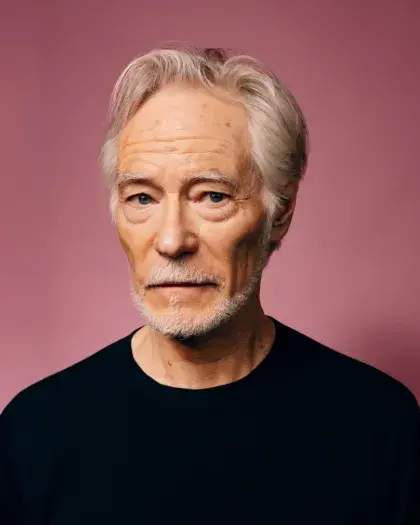 Roberto, acteur jouant les rôles de Tubino, de Venturini, du prêtre, du mage dans la boîte de nuit, du maquilleur, du professeur De Cercis
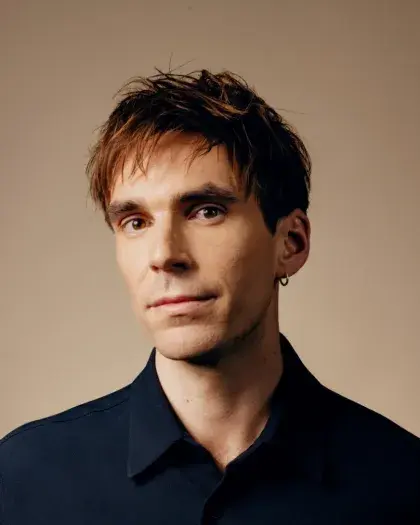 Daniele, acteur jouant les rôles de l’agent-chef, du jeune homme dans la boîte de nuit, du présentateur, de Succhieva
 -
Movie of Mastorna's life
Director: Avril Tembouret
Chief operator: Nicolas Le Gal
Decorator: Alban Ho Van
Costume Designer: Marie La Rocca
Calibrator: Gadiel Bendelac
Makeup artist: Catherine BloquèreWith
Laurent Lafitte