Singulis / François, le saint jongleur
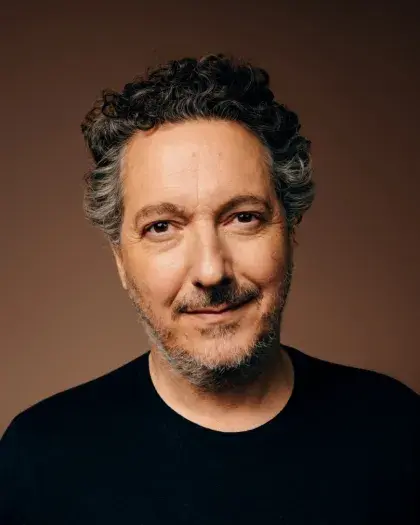
Interprétation – Guillaume Gallienne
Du 29 September au 15 October
Discover the play
-
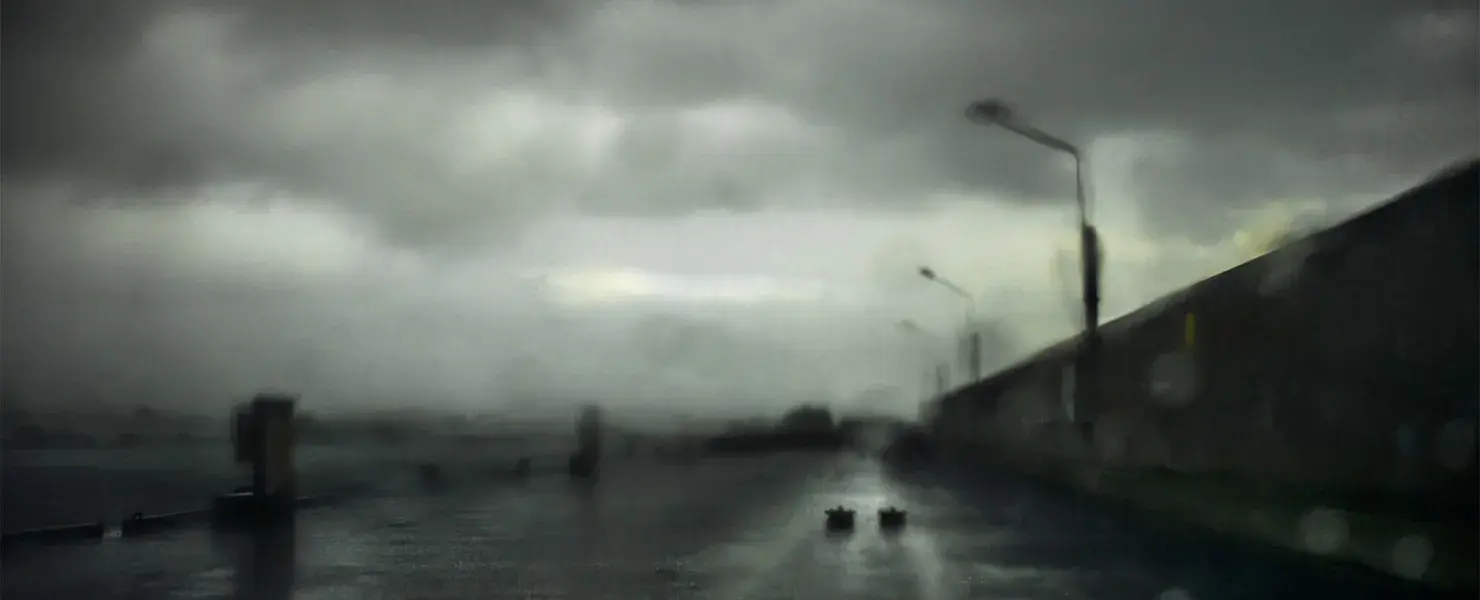
Along the way, he restored churches, negotiated with the wolf, spoke to the birds and preached the Gospels in the common tongue. With joy and mischief, the saint of Assisi captured the attention of onlookers, entertaining them and moving them, denouncing money, power, manipulation and war. Francis harangues the crowd, speaking with the fullness of his body and his voice. To listen to him is to attend a performance, a religious comedy. He has the skills of a great actor and a holy jester. To continue preaching with his poor brethren, he must convince Pope Innocent of the benefits of his community.
“For me, performing alone on stage means total freedom. I am very much inspired by the approach of Dario Fo, which is close to street theatre. I also believe that performing alone on stage is a way of stripping everything away, since only the spoken word subsists. This theatre renews with storytelling and establishes a more direct relationship with the audience. Here, I am not an actor, I am a storyteller who conveys the words of an author, who delivers a story to the audience by constantly soliciting it’s attention” explains Guillaume Gallienne, whom Claude Mathieu, his theatrical mentor and the troupe’s doyenne, directs.- Mesures sanitaires : le port du masque et la distanciation physique sont obligatoires. L'entrée de nos théâtres sera interdite aux personnes s'y refusant et les billets ne seront pas remboursés.
Compte tenu de l’instabilité du contexte sanitaire et des mesures relatives à l’accueil du public, nous mettrons en vente les spectacles au fur et à mesure de la saison.
Nous vous informons par courriel, sur notre site Internet et nos réseaux sociaux des prochaines ouvertures de vente.THE THEATRICAL PRACTICE OF THE SOLO is relatively new to the Comédie-Française. Ever since the seventeenth century, the institution has defined itself first as a troupe of actors whose collective identity predominates over the expression of individualities. From as early as 1674 this quality was pointed out by Samuel Chappuzeau in his Théâtre Francois, when he compared theatre troupes to political “bodies” that functioned as so many small “Republics”. Commenting on actors, he wrote that “they admit no superiors, the name alone offends them; they all wish to be equal, and call each other comrades”. The motto of the Comédie-Française, Simul et Singulis (be together and be oneself), which appeared in 1682 along with the emblem of the buzzing hive, characterises this philosophy in which each contributes, though his or her own talent, to the collective work.
No solos... only soloists
While the practice of performing alone on stage is not considered a fitting pursuit, the “solo” form of the monologue is highly appreciated by the public, and sometimes staged to showcase the protagonist in all his or her splendour and in contrast with the rest of the troupe. This is an effect of the star system that clearly emerged in the nineteenth century.
Soloist practices most often developed outside of the theatre’s activity. Some actors embarked on personal tours that were sometimes scheduled without regard for the interests of the Comédie-Française –Talma or Rachel were capable of taking off while leaving their comrades in difficulty. They would travel with trunks full of costumes but recruit fill-in actors and find makeshift sets on the spot to perform the great scenes of their repertoire. The performance then resembled a recital of choice excerpts, selected to showcase the actor whose talent was all the more strongly emphasised given that he or she was performing alongside second-class actors if not to say amateurs.
The monologue per se developed at the end of the nineteenth century, thanks to the Coquelin brothers, but today remains an exception. The motto Simul et Singulis, perfectly sums up the indispensable paradox for any actor who is the member of a Troupe.- Visual : Hive, engraving by Guillaumot fils
-
Adaptation and translation: Toni Cecchinato and Nicole Colchat
Director: Claude Mathieu
interpretation: Guillaume Gallienne
Lights: Denis Koransky