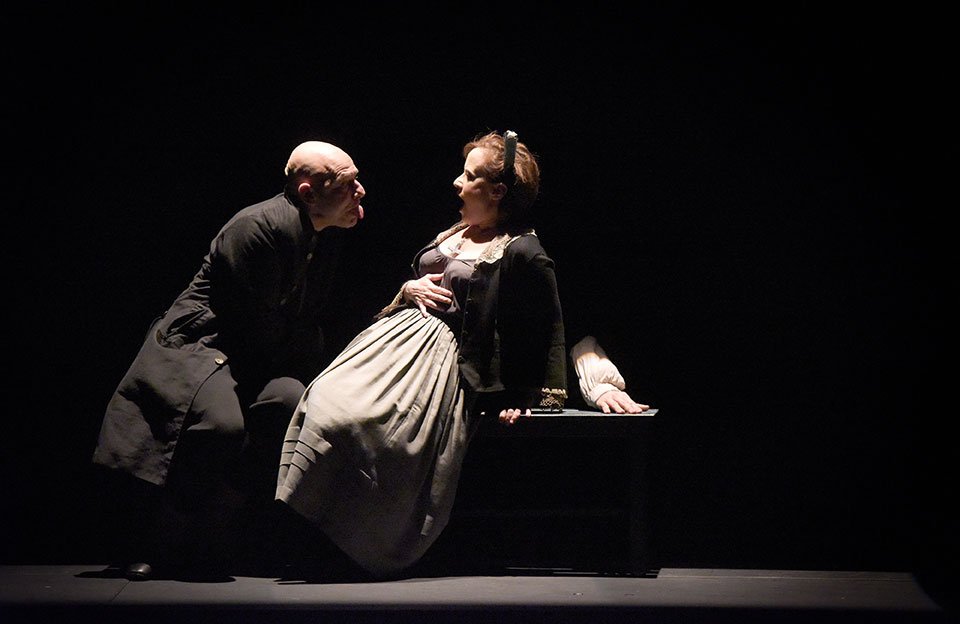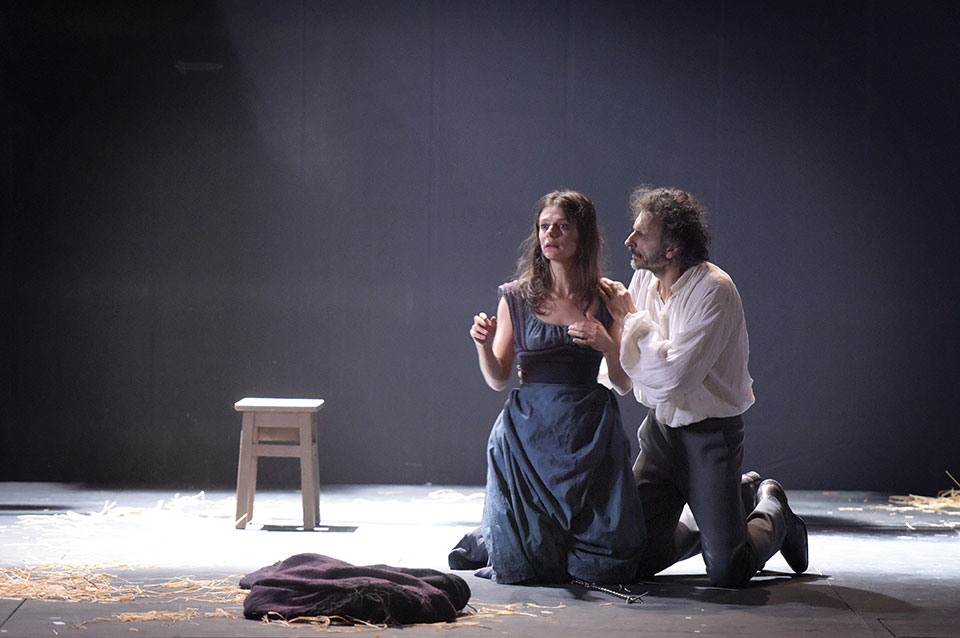
Faust
Adapted and directed by Valentine Losseau and Raphaël Navarro
From 21 March to 6 May

Discover the play
-
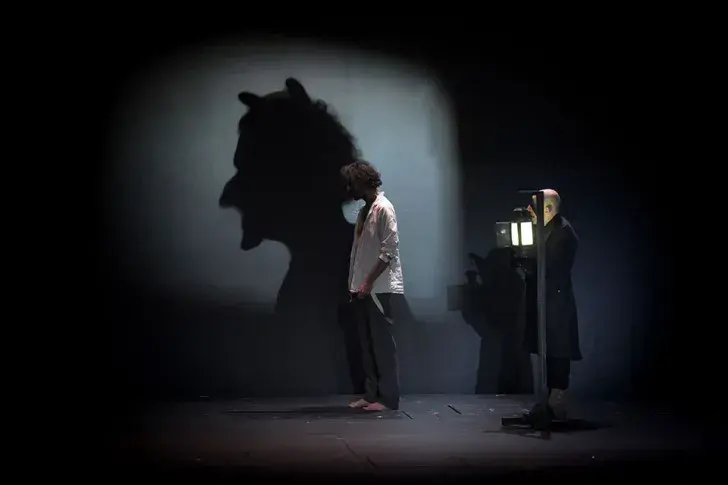
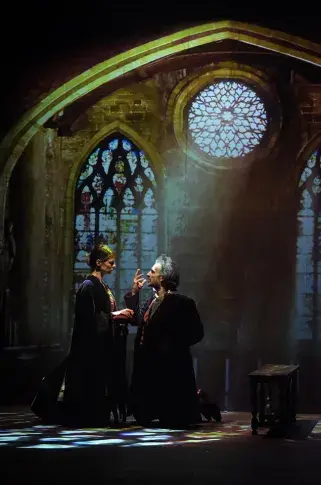
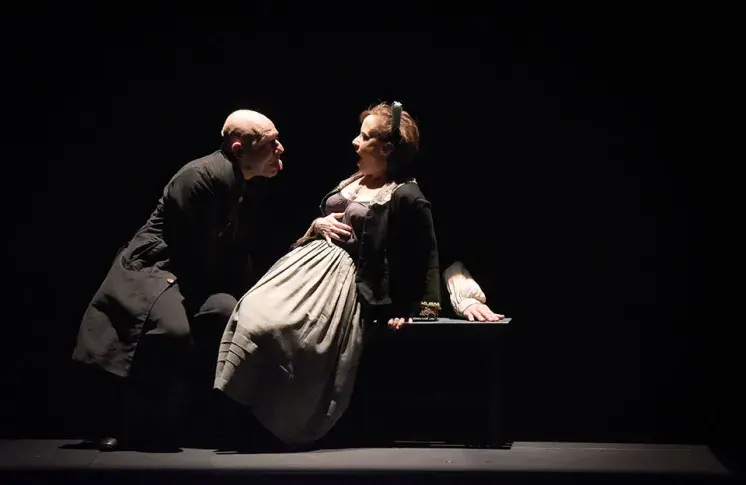
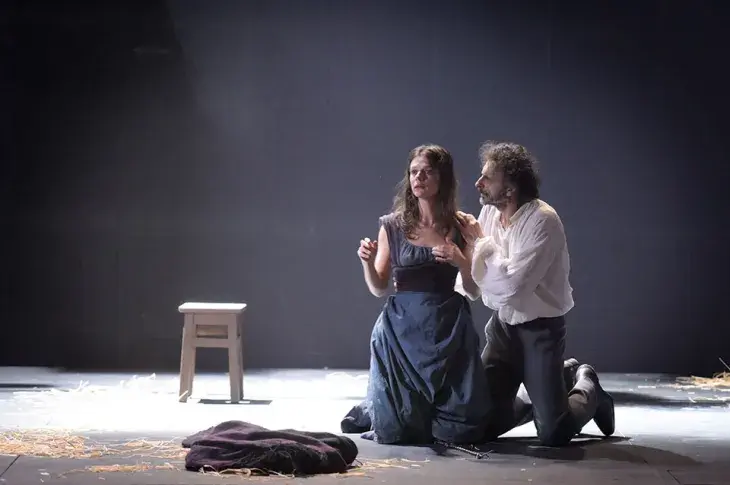
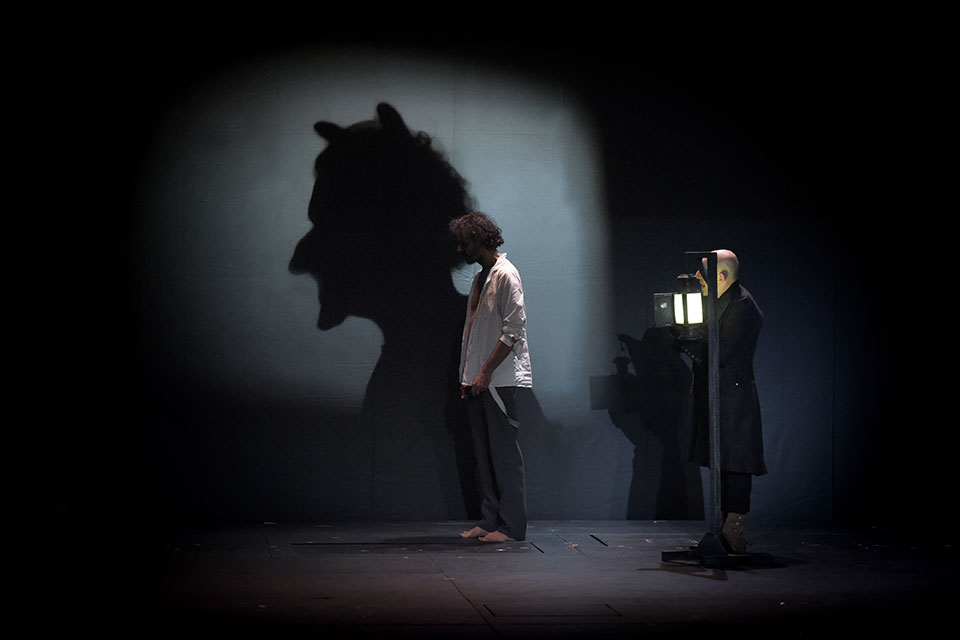
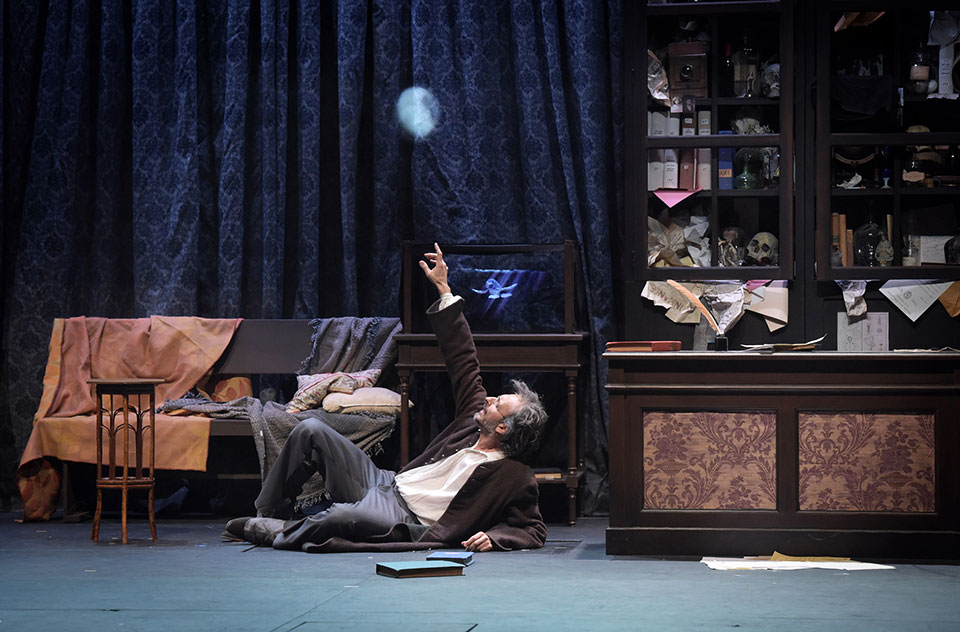
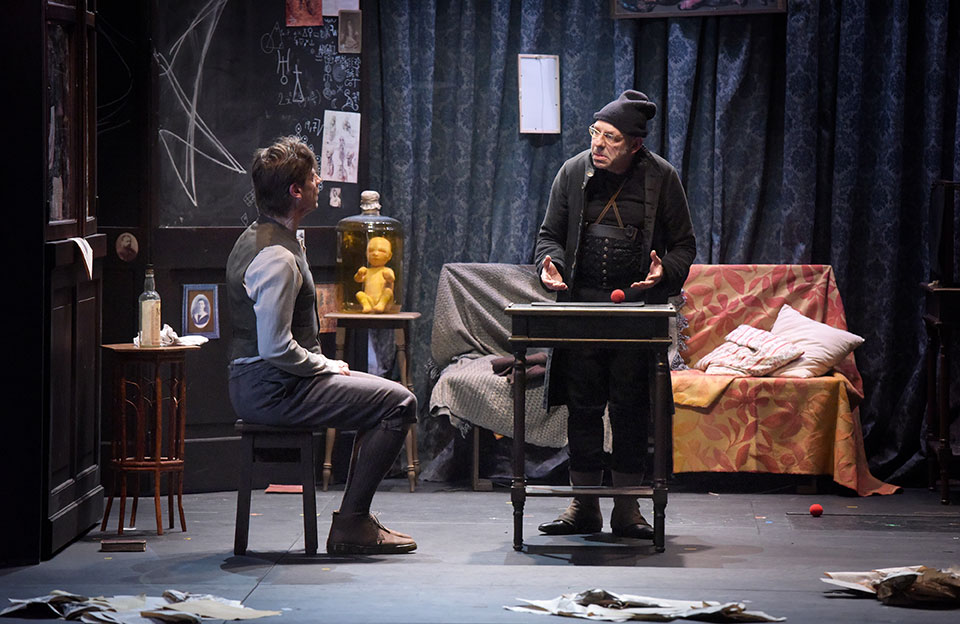
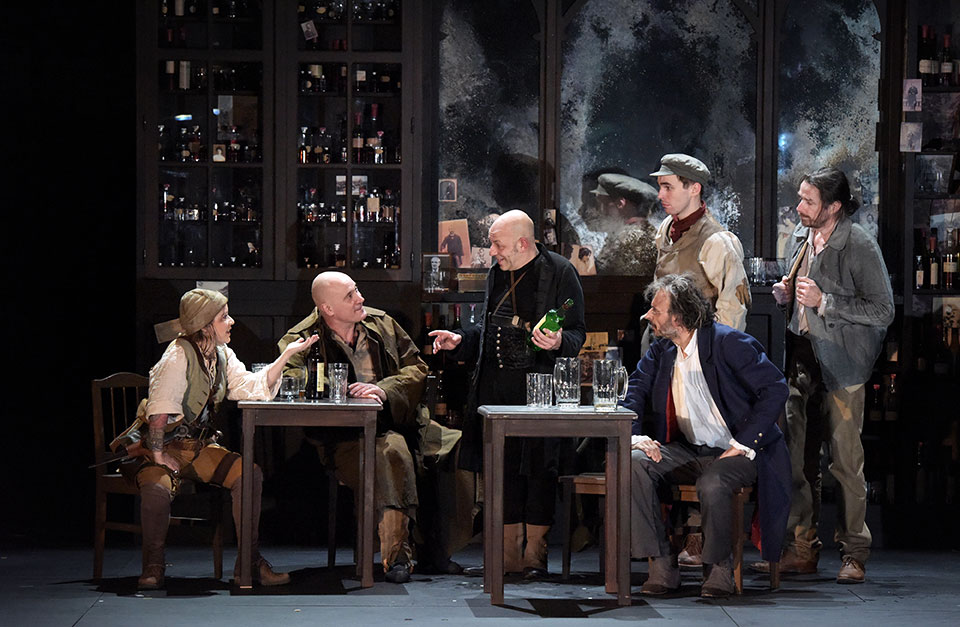
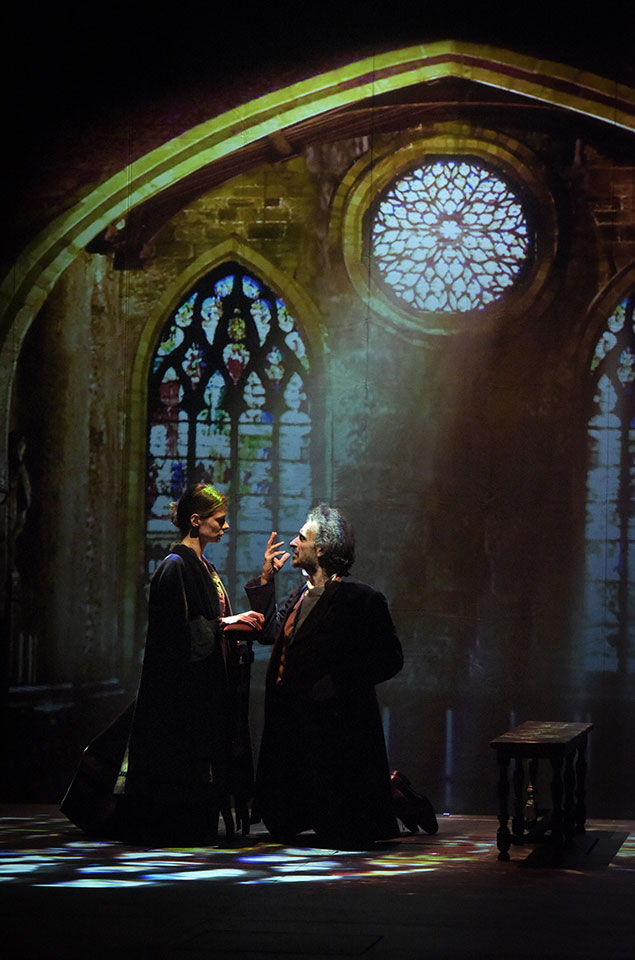
C’est par ces mots de Goethe que Valentine Losseau et Raphaël Navarro présentent leur prochaine création. Initiateurs, avec Clément Debailleul, du mouvement artistique de la magie nouvelle, ils relèvent le pari de mêler la beauté littéraire de Faust, la profondeur de ses réflexions, à l’émerveillement d’un théâtre visuel qui renoue avec la dimension burlesque présente dans le texte original et la traduction choisie de Gérard de Nerval. Les liens forts que la pièce et le mythe faustien entretiennent avec l’ésotérisme, les magies blanche et noire, leur offrent l’occasion de mettre en œuvre, loin du seul effet, quinze années de recherches, d’élaboration de procédés techniques et d’images spectaculaires.
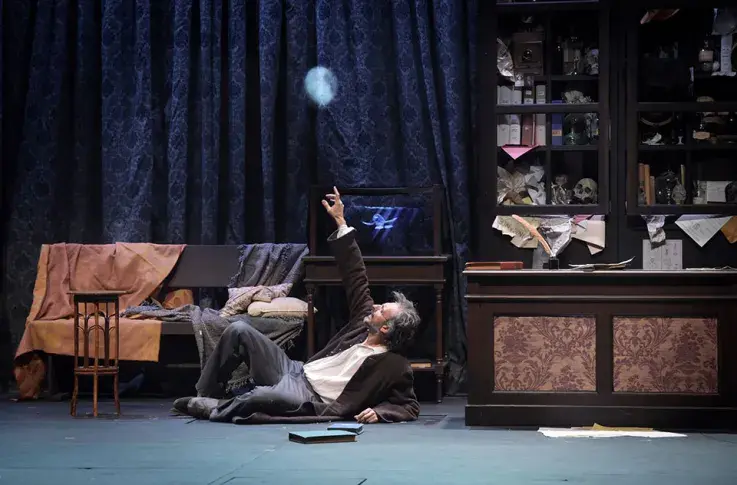
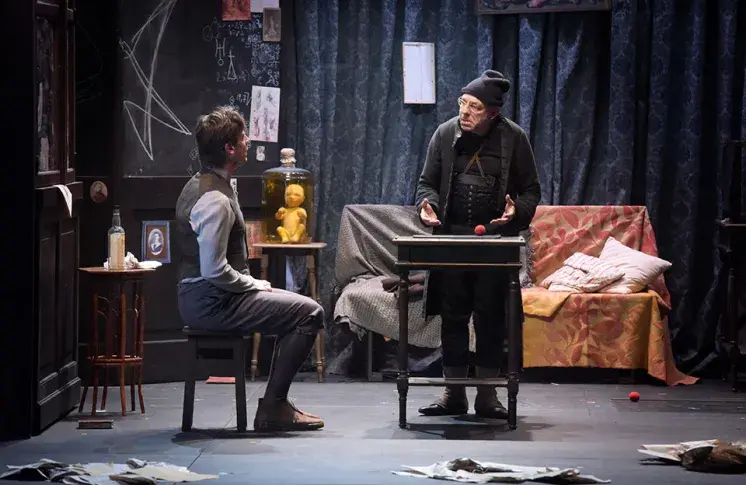
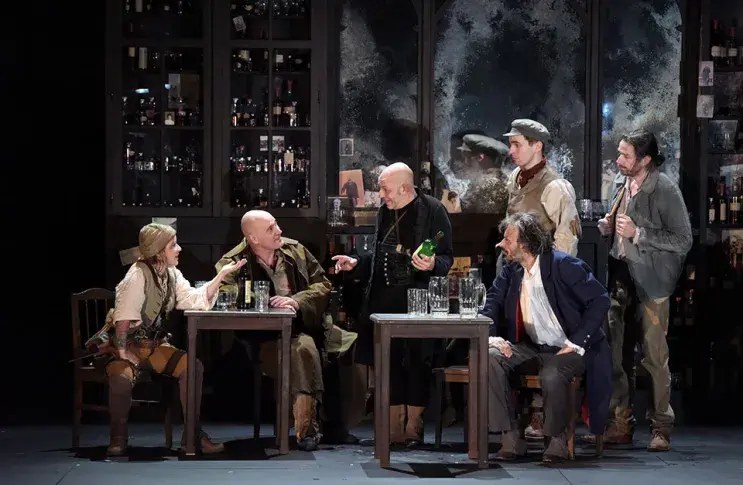
Entrée au Répertoire en 1999, la pièce n’a pas été jouée depuis. Aujourd’hui, la magie entre à la Comédie-Française et les comédiens de la Troupe font l’apprentissage d’une discipline, mais aussi d’une pratique du plateau et d’un type de concentration inusuels pour eux. Jeux d’apparitions, de disparitions, lévitation, hologrammes, transformations... la perception du réel est brouillée. Après le pari que Dieu et Méphistophélès se lancent dans le ciel, Faust nous ouvre les portes de son cabinet. Et nous suivons dans son voyage initiatique ce savant avide de connaissance absolue.Attention : Au regard de la complexité du spectacle, la première - initialement prévue le mercredi 21 mars - aura lieu le samedi 24 mars 2018 à 20h30. Les spectateurs disposant de billets pour les représentations des mercredi 21, jeudi 22 et vendredi 23 mars 2018 peuvent contacter le service billetterie pour plus d’informations - 01 44 58 15 15 (du lundi au samedi de 11h à 18h).
Spectacle à partir de 12 ans.
Avec le mécénat exclusif de Allianz France
Le courant romantique né en Allemagne vient également séduire la Comédie-Française. Très en vogue après la Révolution, ses illustres représentants sont joués dans des adaptations très libres, passage obligé pour entrer au Répertoire. Derrière les auteurs – aujourd’hui oubliés – Weiss, Jauffret, Patrat, Le Brun, Chénier, Laville de Mirmon -–se cachent, pour la version d’origine, Kotzbue (Les Deux Frères), Schiller (MarieStuart, Intrigue et amour), Lessing (Nathan le sage). Quant au plus célèbre d’entre eux, Goethe, il ne pouvait rêver pour son Faust traducteur et adaptateur plus romantique que Gérard de Nerval. C’est d’ailleurs dans cette version que l’œuvre entra au Répertoire en 1999.
> Je ne puis plus lire _Faust_ en allemand mais, dans cette version française, tout reprend sa fraîcheur, sa nouveauté, son esprit.
Il aura fallu attendre les circonstances exceptionnelles de l’Occupation pour voir une pièce de Goethe à la Comédie-Française. En effet,en 1942, la troupe de Molière doit accueillir celle du théâtre de Munich qui interprète, à ses côtés mais en allemand, Iphigénieen Tauride…
C’est surtout à partir de 1989 que les romantiques allemands reviennent sur la scène du Français. Deux pièces, toujours de Goethe,entrent au répertoire : Torquato Tasso (mise en scène de Bruno Bayen en 1989) et, à l’occasion du 250e anniversaire de l’auteur, Faust (mise en scène d’Alexander Lang en 1999), pièce initialement marquée par le théâtre forain francfortois et, de loin, la plus populaire outre-Rhin. Jouer les rôles de Faust et de Méphistophélès est, pour les acteurs, une consécration.
Le mythe de l’éminent savant pactisant avec le diable, lancé par Christopher Marlowe en 1604, Lessing puis Goethe qui a grandement contribué à sa popularité, continue à fasciner aujourd’hui. Il a été depuis relayé au théâtre, dans la littérature et à l’opéra par Mahler, Alexandre Pouchkine, Richard Wagner,Hector Berlioz, Robert Schumann, Franz Liszt, Charles Gounod, Paul Valéry…
-
Adaptation, magie et mise en scène : Valentine Losseau et Raphaël Navarro
Traduction : Gérard de Nerval
Scénographie : Éric Ruf et Vincent Wüthrich
Costumes : Siegrid Petit-Imbert
Lumières : Elsa Revol
Vidéo : Claudio Cavallari et Franck Lacourt
Son : Dominique Bataille
Marionnettes des diablotins : Johanna Ehlert et Samuel Lepetit
Ombres : Philippe Beau
Assistanat à la mise en scène : Émilie Rault
Assistanat à la scénographie : Zoé Pautet, scénographe de l'académie de la Comédie-FrançaiseRemerciements à Arthur Chavaudret, Clément Debailleul, Yann Frisch, Olivier Poujol, au Laboratoire d’expérimentation magique du CNAC, à Amadeus et au chien Charlie.
En coproduction avec la Compagnie 14:20Valentine Losseau et Raphaël Navarro tiennent à remercier, à titre posthume, pour leur inspiration magique Rameses, Harry Blackstone, John Henry Pepper et Henry Dircks.
Directeur technique de la magie : Vincent Wüthrich
Coordination des effets magiques : Marco Bataille-Testu
Réalisation des masques : Carole Allemand
Construction du décor : Espace et Cie
Documents
-
 Download the PDF (1.47 MB)
Programme de Faust 17/18
Programme de Faust de Goethe . Adaptation, magie, mise en scène Valentine Losseau et Raphaël Navarro, Théâtre du Vieux-Colombier (saison 2017/2018).
Casting
-
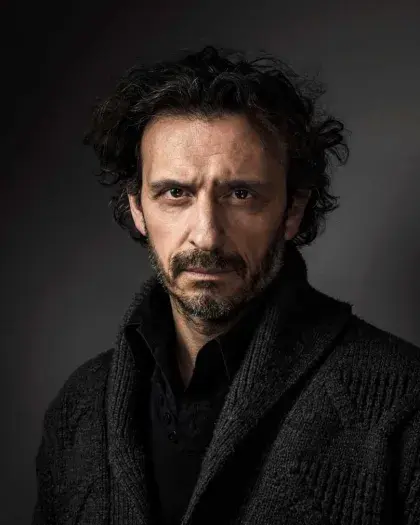
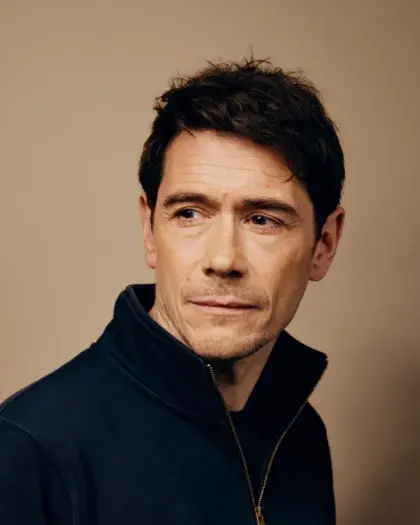
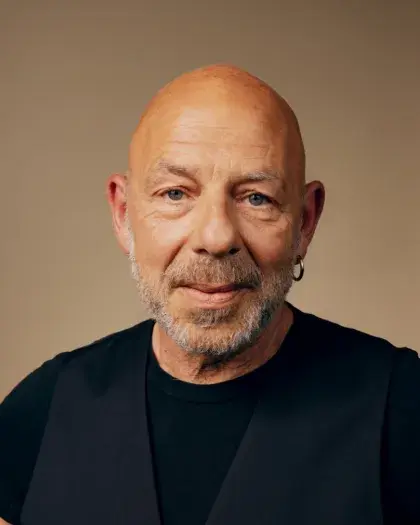
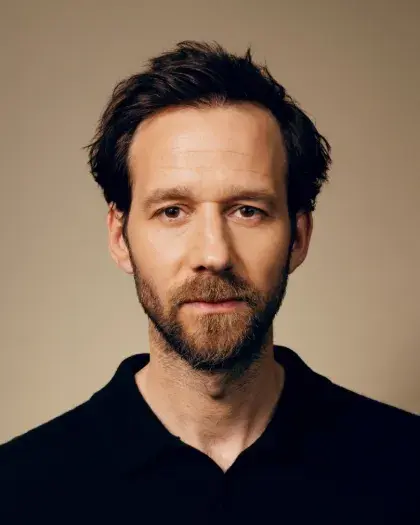
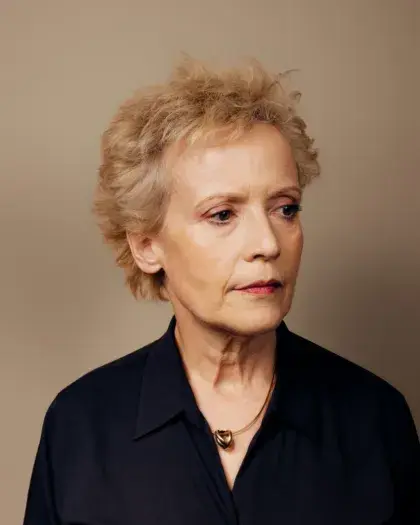 Frosch (un compagnon de la taverne), une villageoise, Servibilis, Marthe ; manipulation magique
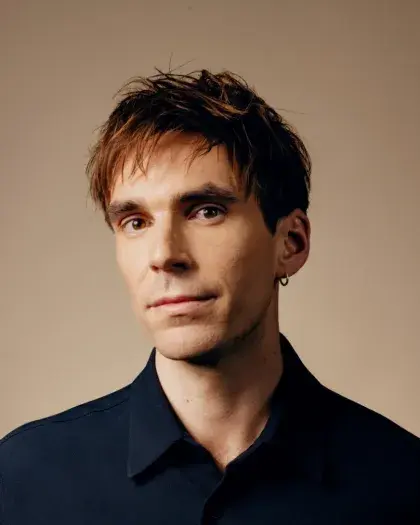 Vagner (valet de Faust), un compagnon de la taverne, un villageois ; manipulation magique et de marionnette
 -
et avec
Marco Bataille-Testu : Siebel (un compagnon de la taverne), un passant, un villageois ; manipulation magique (en alternance)
Thierry Desvignes : un compagnon de la taverne, un villageois ; manipulation magique et de marionnette
Émilie Rault : voix-off (second feu follet)