Poussière
Directed by Lars Norén
From 12 June to 16 June

Discover the play
-
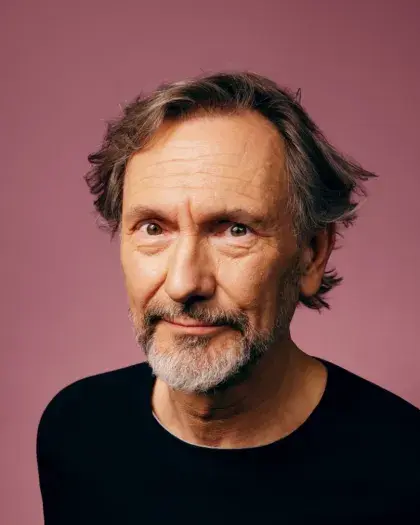
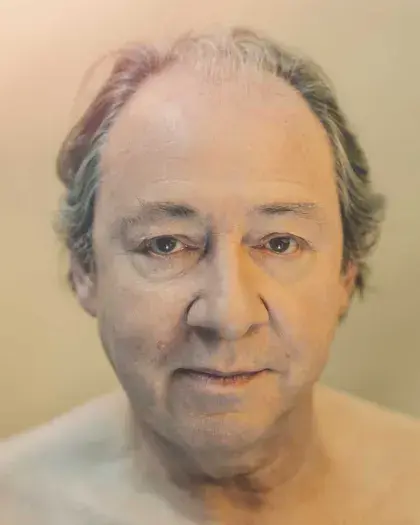
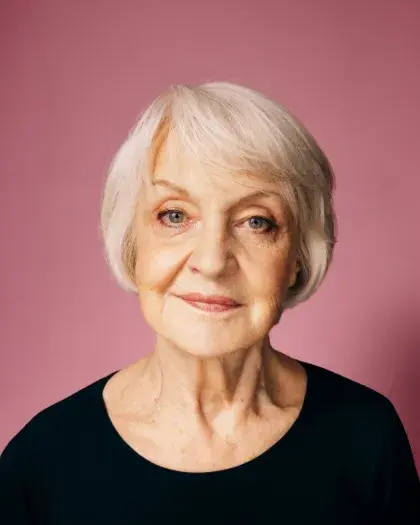
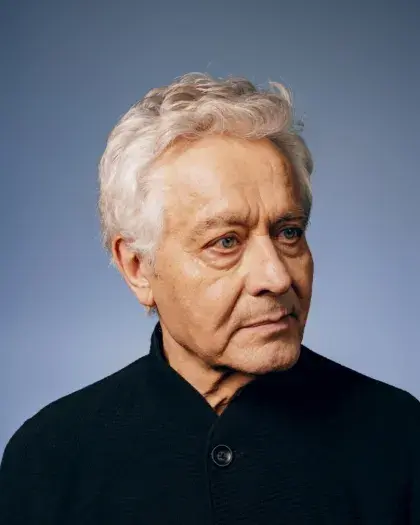
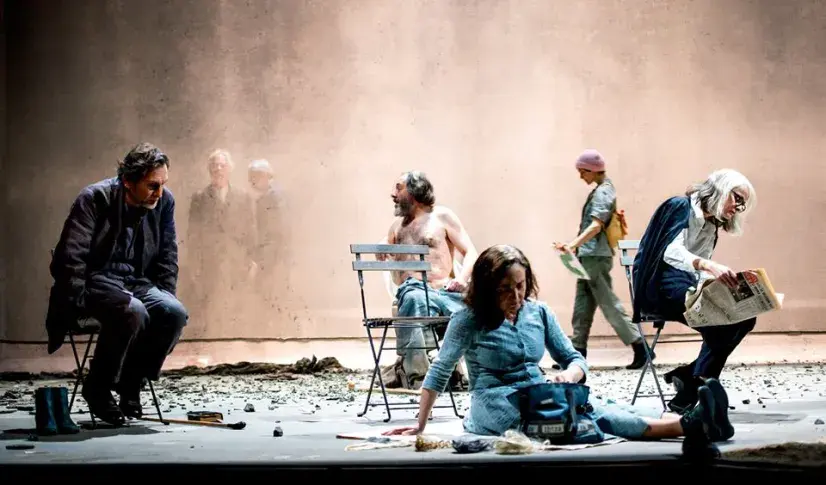
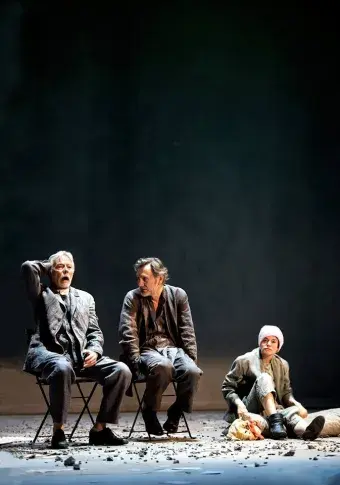
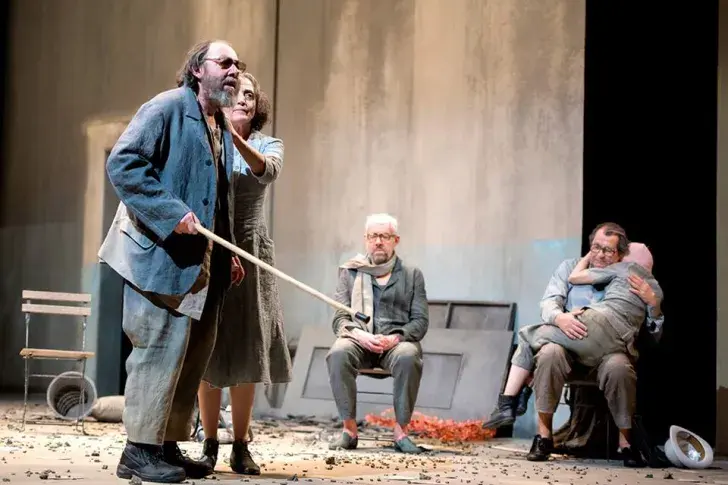
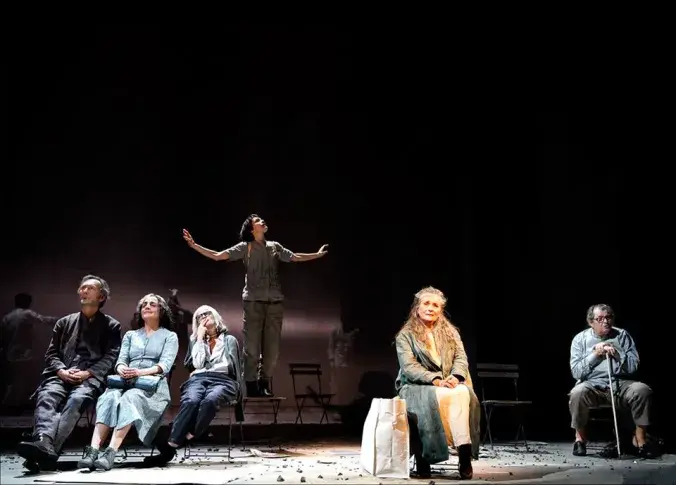
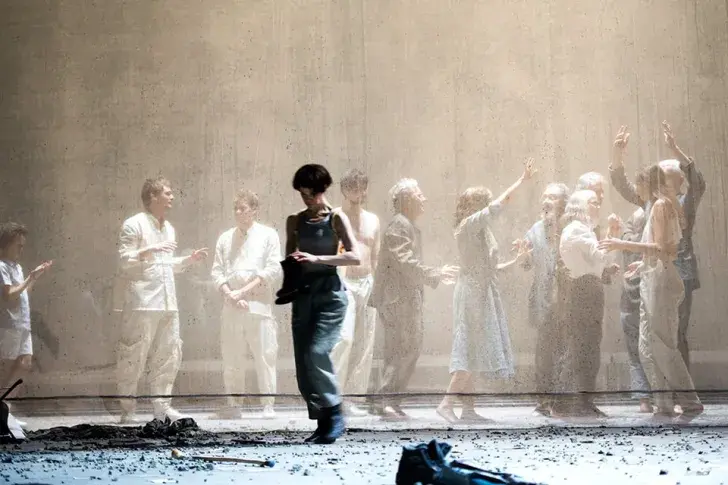
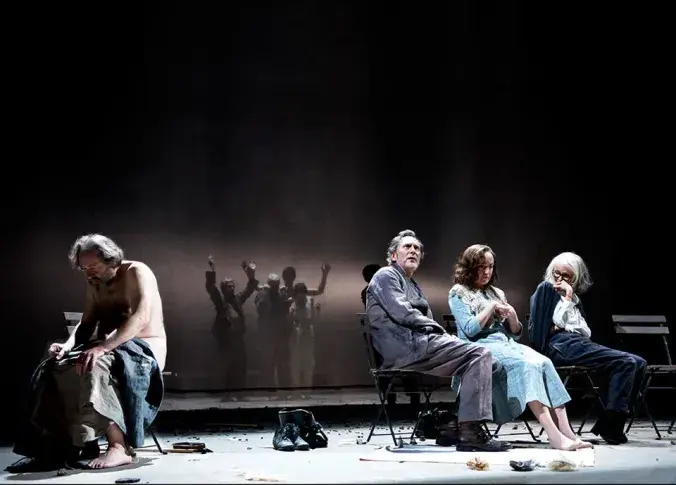
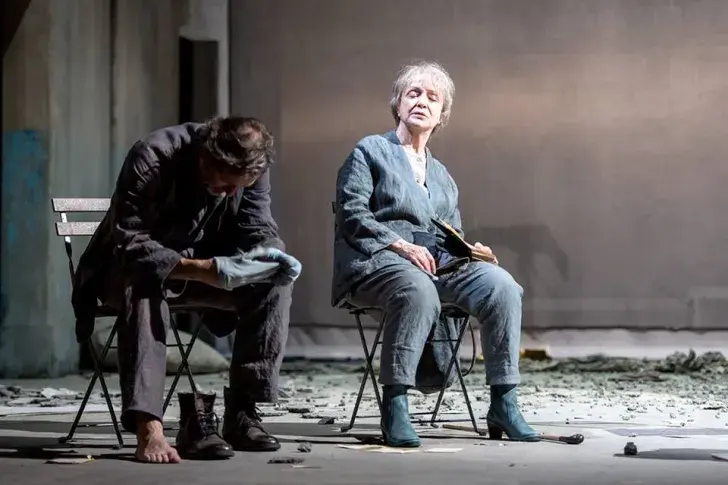
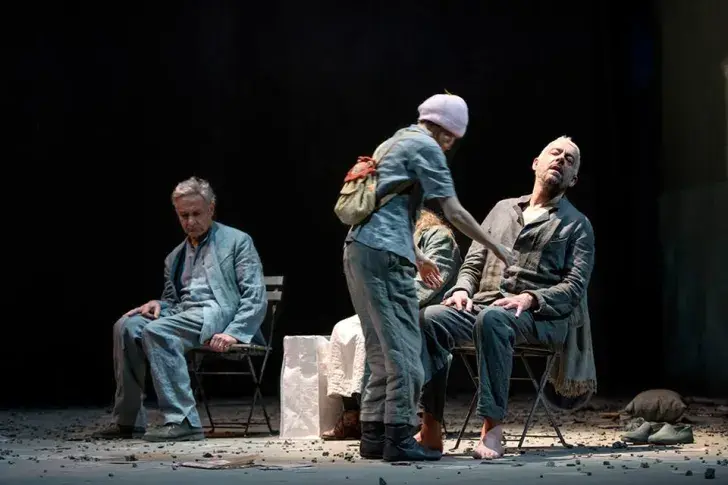
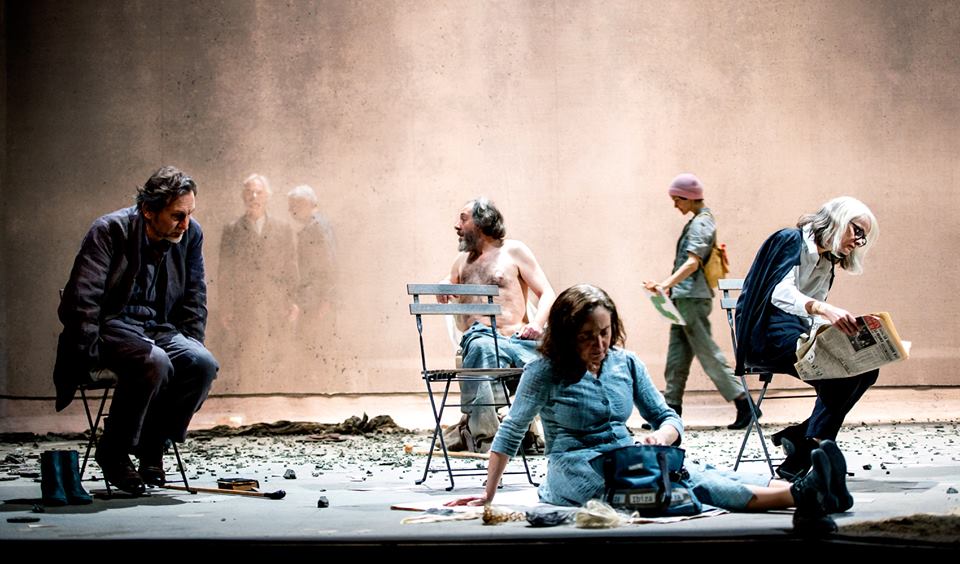
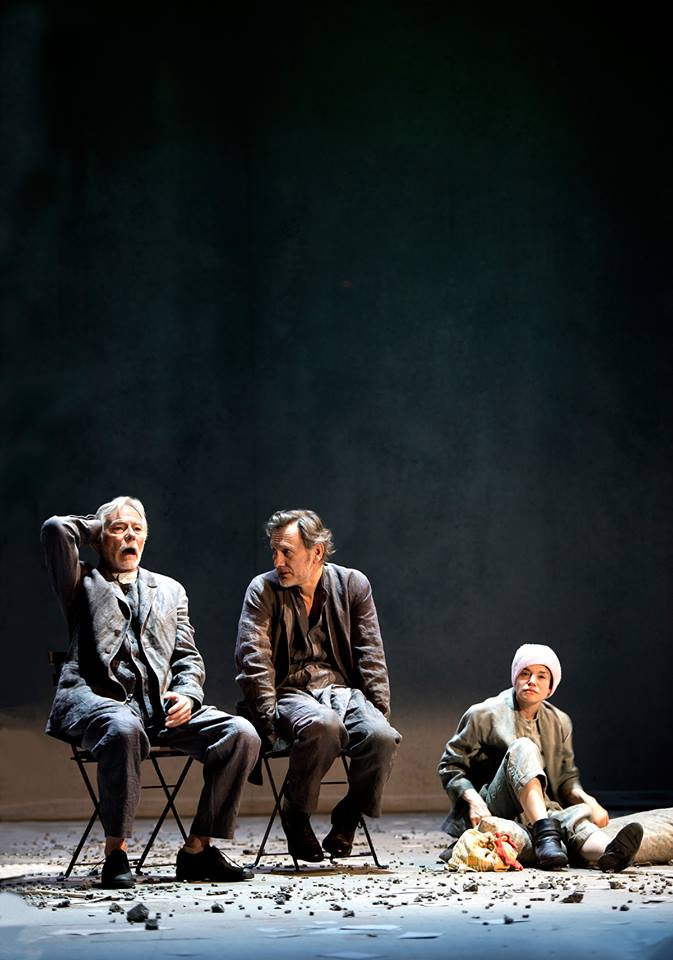
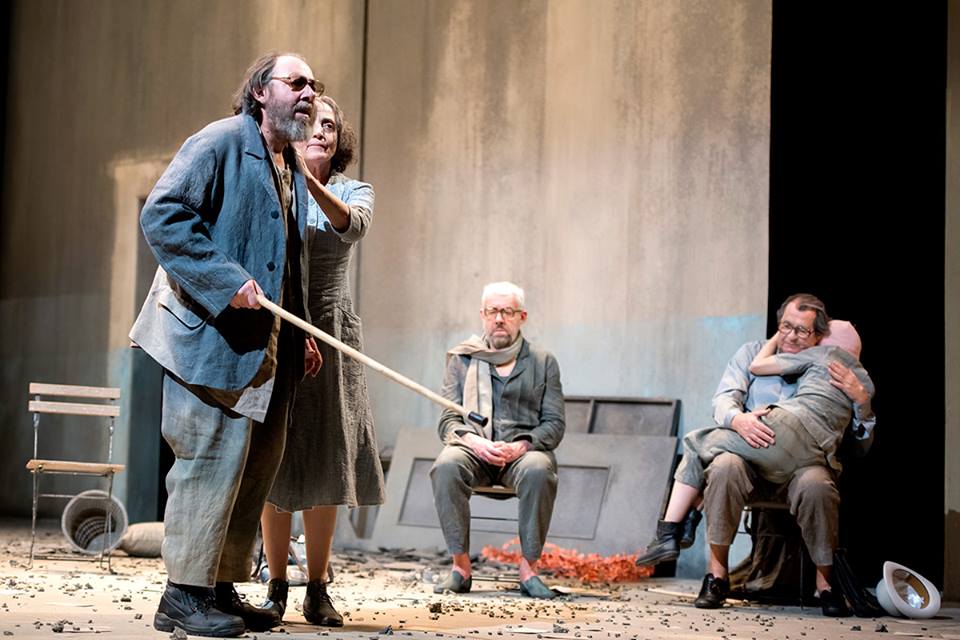
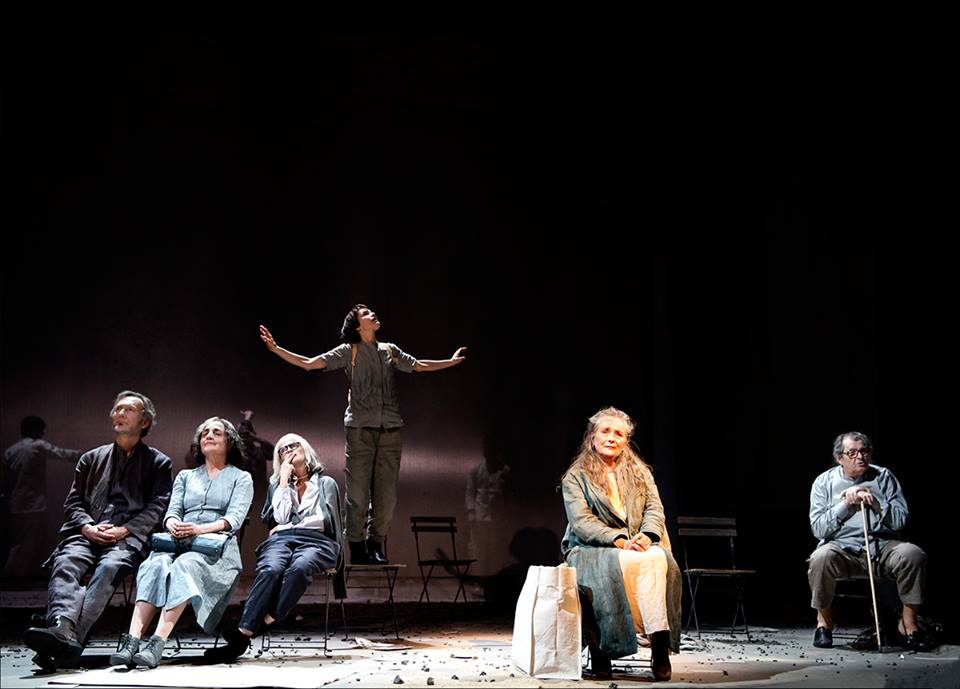
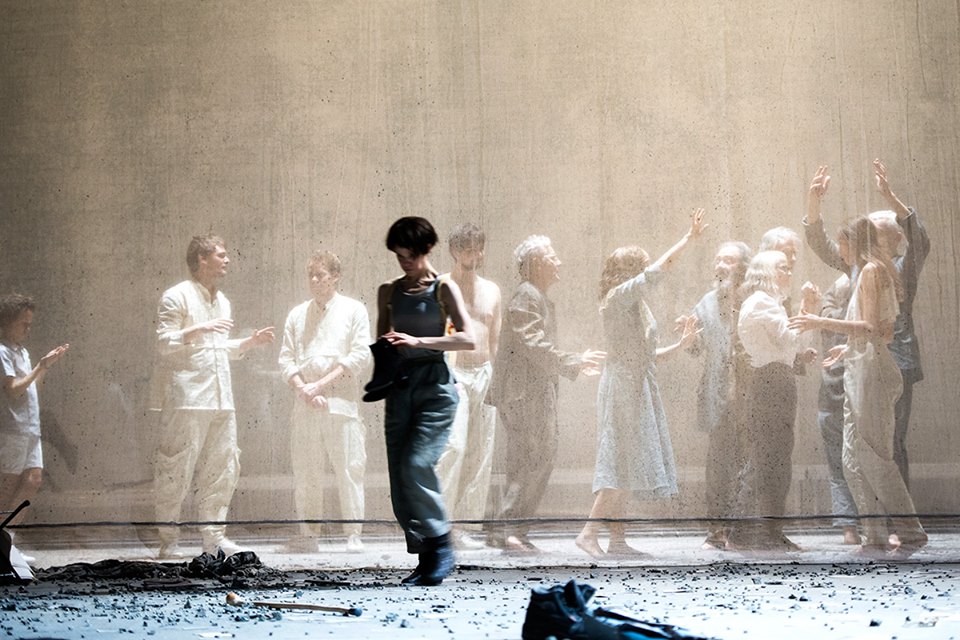
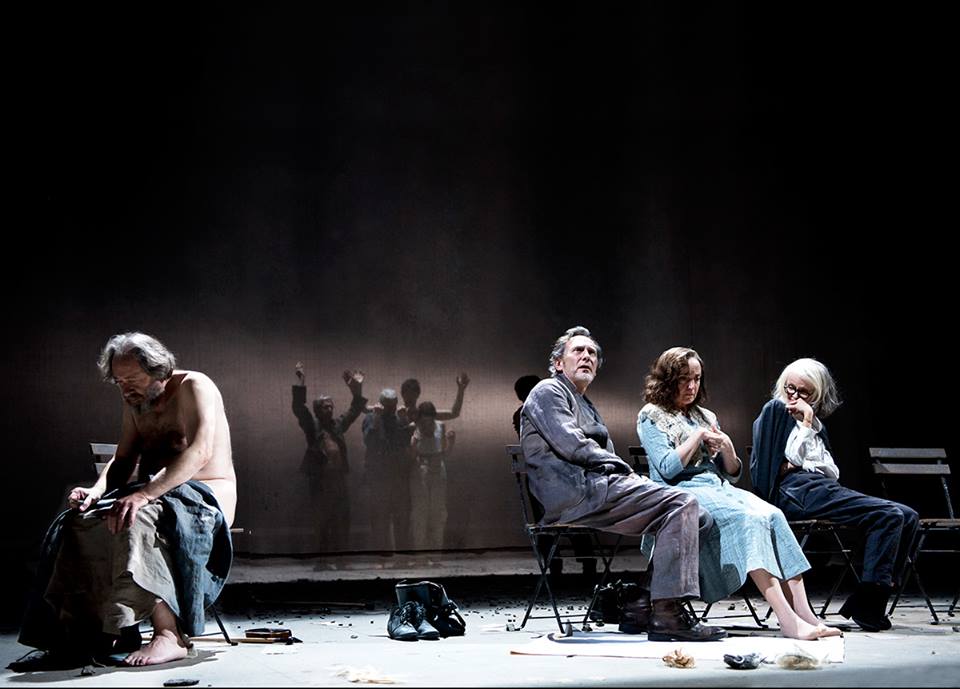
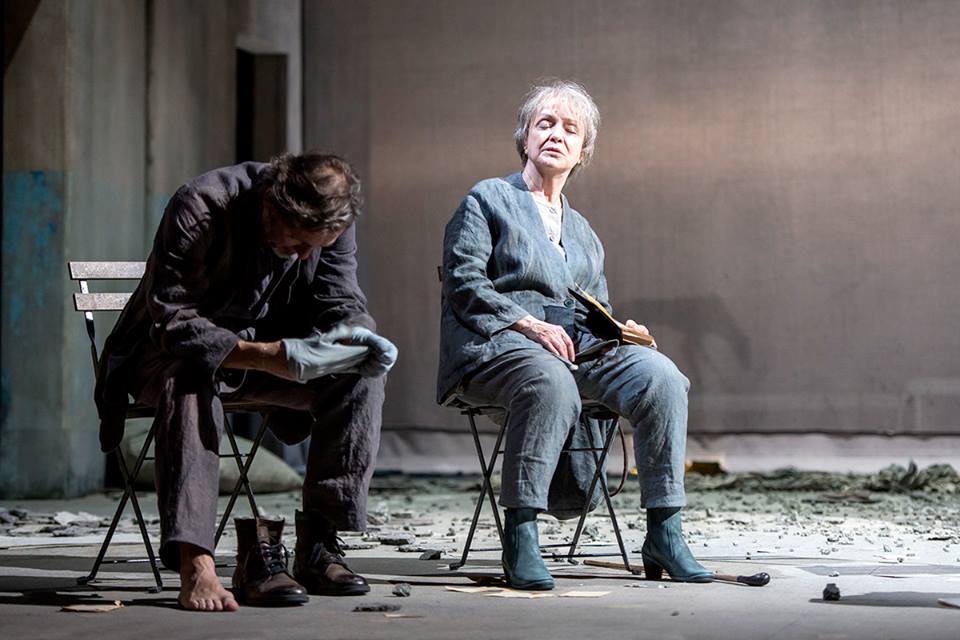
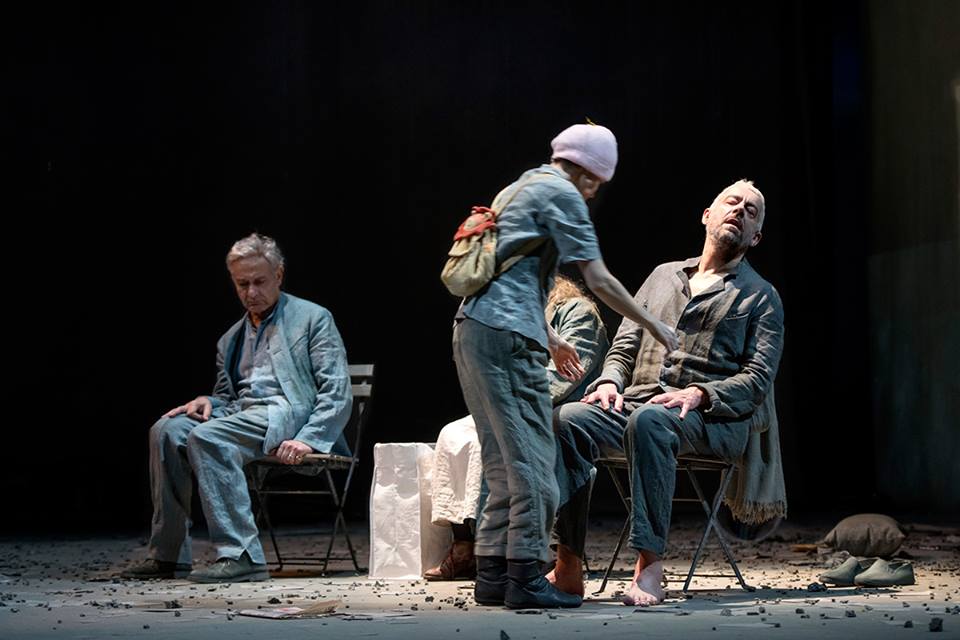
Lars Norén met ici en scène dix personnes, âgées, six hommes et quatre femmes. Et la fille attardée de l’une d’entre elles. Des personnes qui partent en vacances depuis plus de trente ans au même endroit, une semaine, au soleil, dans un hôtel resort d’Espagne ou d’ailleurs. Si elles en avaient les moyens, elles partiraient ailleurs mais elles sont issues d’une classe modeste et n’ont pas d’autre solution pour échapper à leur quotidien. Ainsi, elles se croisent dans ce lieu depuis des années, se connaissent et ne se connaissent pas. Ne se voient jamais ailleurs. Seulement ici, une fois par an. Depuis si longtemps. C’est peut-être pour certaines la dernière fois. D’autres ont déjà disparu sans doute.
Cette pièce est une symphonie des adieux qui se joue sous nos yeux. Nous sommes dans un temps qui n’est plus linéaire, il est seulement mémoire. Que reste-t-il, quels sont les visages, les faits, les émotions encore présents ? « Je n’aurais pas pu écrire ce texte avant d’avoir l’âge que j’ai aujourd’hui. C’est une pièce sur les au revoir et les souvenirs, sur les dernières vagues à traverser avant la fin. Une pièce belle et mélancolique qui ne parle que de la vie. » (Lars Norén)Lire notre entretien avec Lars Norén : « Atteindre l'essence de chaque chose »
Le texte de la pièce, paru chez L’Arche Éditeur, est en vente à la BoutiqueLe temps de la représentation est un temps court. Les règles classiques au XVIIe siècle, imposent que l’action se déroule en une journée pour garantir la vraisemblance de l’intrigue, ce qui ne permettait pas aux auteurs de faire évoluer leurs personnages, psychologiquement, et a fortiori, interdisait de les faire « vieillir ». Les personnages qui posent la question de la vieillesse, sont donc souvent des personnages âgés,dont le statut social les met en position de responsabilité ou d’autorité par rapport aux autres. Ces personnages relèvent de l’emploi des« pères nobles» dans la comédie, ou des « rois » dans la tragédie.
> Ô vieillesse ennemie ! N'ai\-je donc tant vécu que pour cette infamie ?
Les personnages de vieillards, de Don Diègue au Roi Lear, permettent de s’interroger sur la remise en cause de leur autorité par les jeunes générations, et sur la fragilité de nos actions.
À l’opposé de ces personnages héroïques, les anti-héros sont légions parmi les personnages âgés. Dans un registre d’un comique plus appuyé, pères et mères nobles, font place aux manteaux, barbons, duègnes, grimes, ganaches… autant de rôles qui tournent en dérision la vieillesse reléguée dans le registre farces que et vue comme un frein à l’énergie de vie et d’action des plus jeunes. Le personnage de Peer Gynt, dans la pièce de Ibsen, est l’un des rares personnages du répertoire théâtral à parcourir tout le chemin d’une existence marquée par la quête de soi, mais dont l’ultime moment est toujours inspiré d’une force juvénile et immature.
Le répertoire contemporain aborde plus directement la question de la fin de vie, qu’il relie bien souvent à des questionnements existentiels sur le sens de la vie et de nos relations aux autres. C’est dans cette veine, où la vieillesse s’incarne bien souvent de manière chorale, que s’inscrit la pièce de Lars Norén : celle de Ionesco (Les Chaises, Le Roi se meurt) et de Beckett (Fin de partie, Oh les beaux jours).
-
Mise en scène : Lars Norén
Traduction : Aino Höglund
Traduction, collaboration artistique : Amélie Wendling
Scénographie : Gilles Taschet
Costumes : Renato Bianchi
Lumière : Bertrand Couderc
Son : Léonard Françon
Travail chorégraphique : Glysleïn Lefever
Documents
-
 Download the PDF (893.26 KB)
La pièce en images - Poussière 17/18
Vieillesse et fin de vie au théâtre -
 Download the PDF (286.9 KB)
Fiche bibliographique Poussière 17/18
Sélection de films et de livres de musique par Lars Norén pour le service éducatif -
 Download the PDF (1.5 MB)
Programme Poussière 17/18
Programme Poussière de Lars Norén. Mise en scène Lars Norén, Salle Richelieu (saison 2017/2018).
Casting
-
-
-
et
Maxime Alexandre : un enfant (en alternance)
Margaux Guillou**:** un enfant (en alternance)
Rosalie Trigano**:** un enfant (en alternance)