Les Damnés
after the screenplay by Luchino Visconti,
Nicola Badalucco and Enrico Medioli
Directed by Ivo van Hove
From 20 March to 2 June

Discover the play
-
« De passage à Rome la semaine dernière, je suis allé voir votre Caduta degli dei et, encore que je suive très mal votre langue, j’ai été très impressionné par la force, la carrure, l’insolence de l’œuvre. […] Les passions mêlées, tous ces corps, ce mélange de choses de l’histoire contemporaine, de l’argent, de la propriété, de la solitude, de la politique, de l’ambition, m’ont rappelé quelques-unes des grandes œuvres que j’ai lues et, parfois, travaillées. Je n’ai que plus apprécié l’originalité de votre film. » Dans ces mots adressés à Visconti en 1969, Jean Vilar pointe déjà l’universalité du propos des Damnés, ce lien avec les « grandes œuvres », ces damnés des origines, de la famille des Atrides, de Thyeste ou de Médée. Visconti disait s’être inspiré de Shakespeare et, notamment, de Macbeth ; Ivo van Hove nous ramène, lui, aux tragédies antiques.
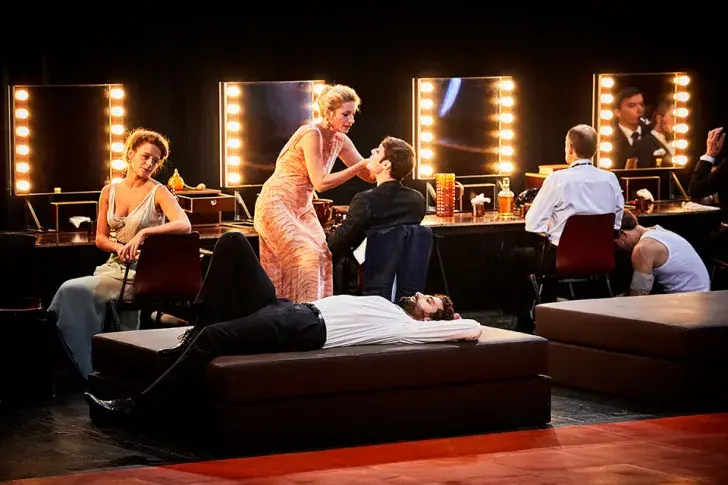
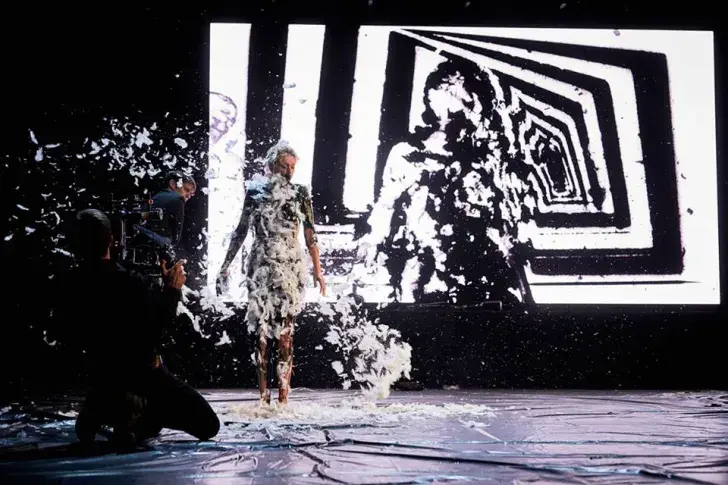
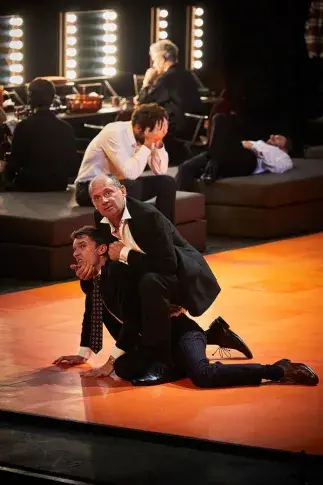
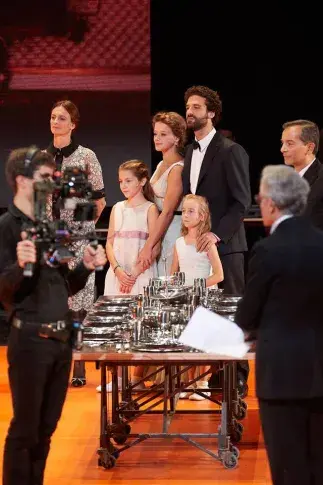
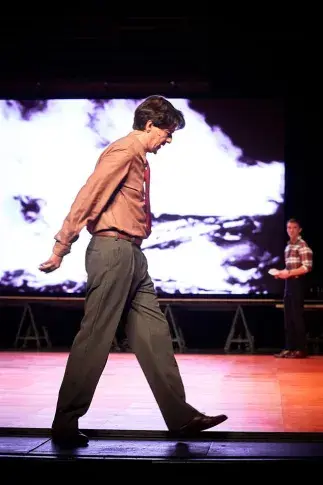
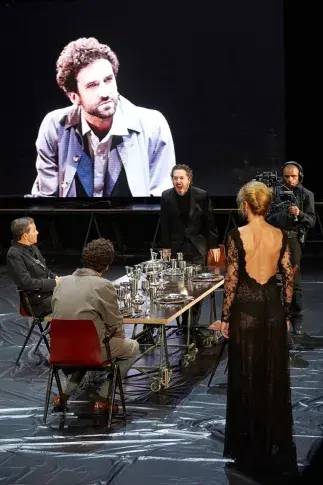
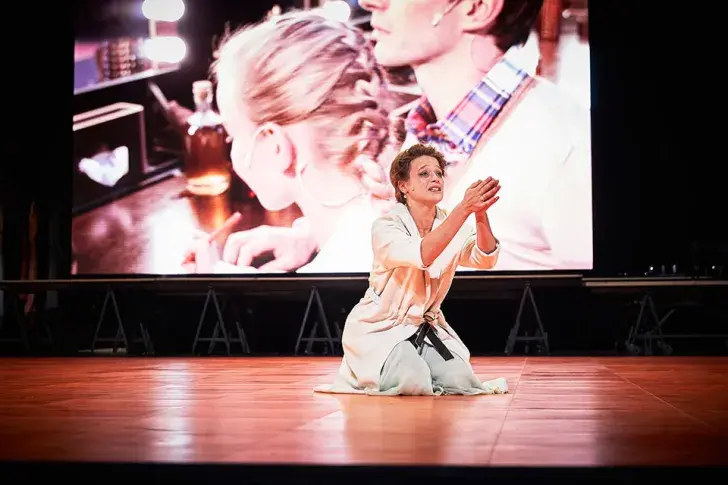
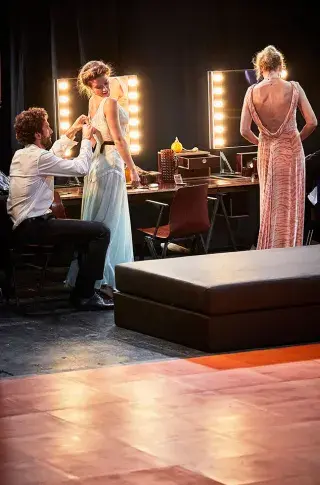
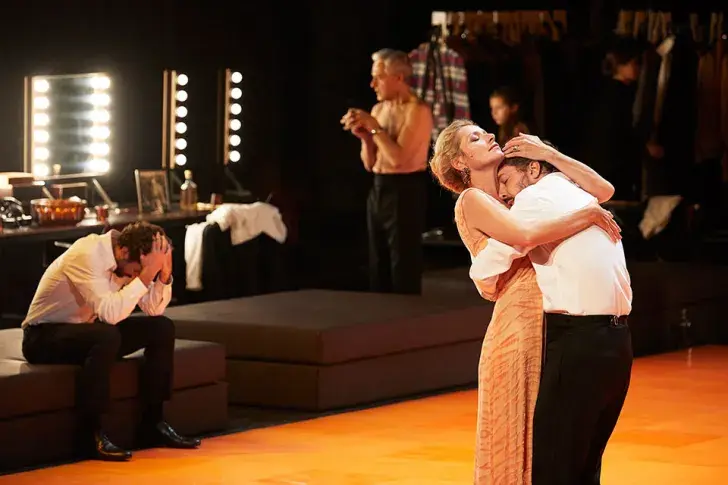
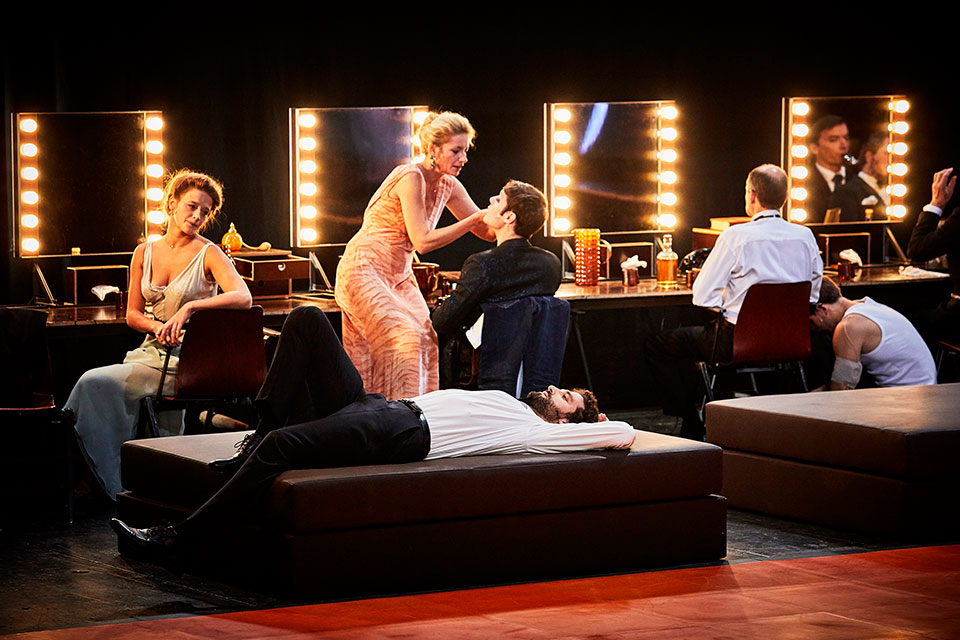
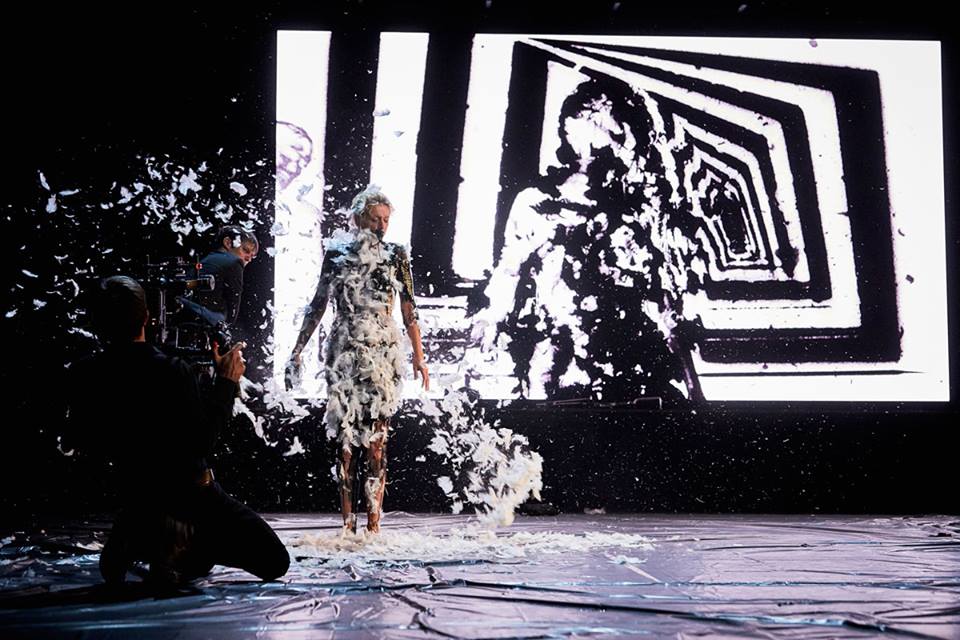
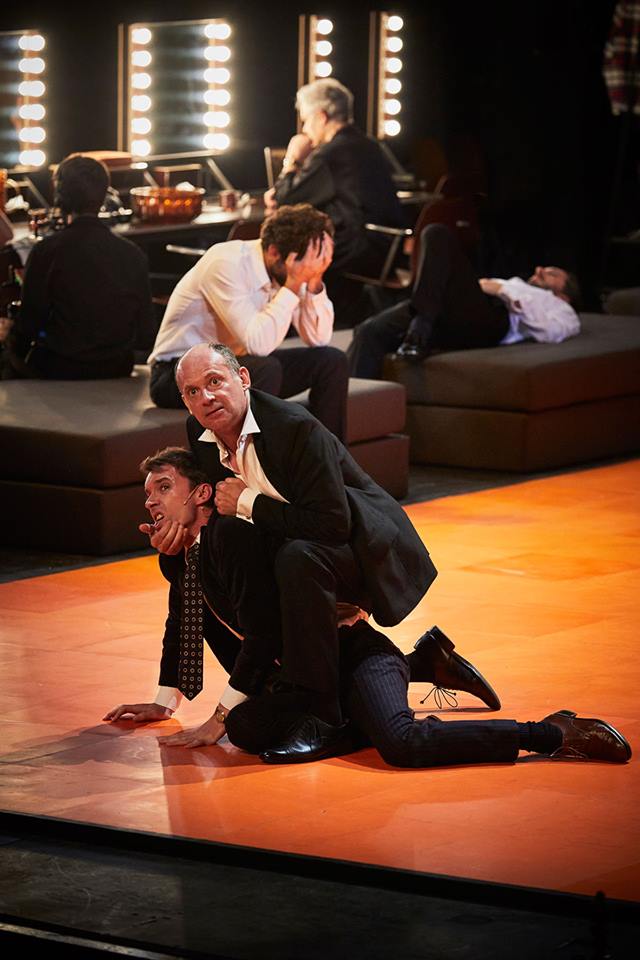
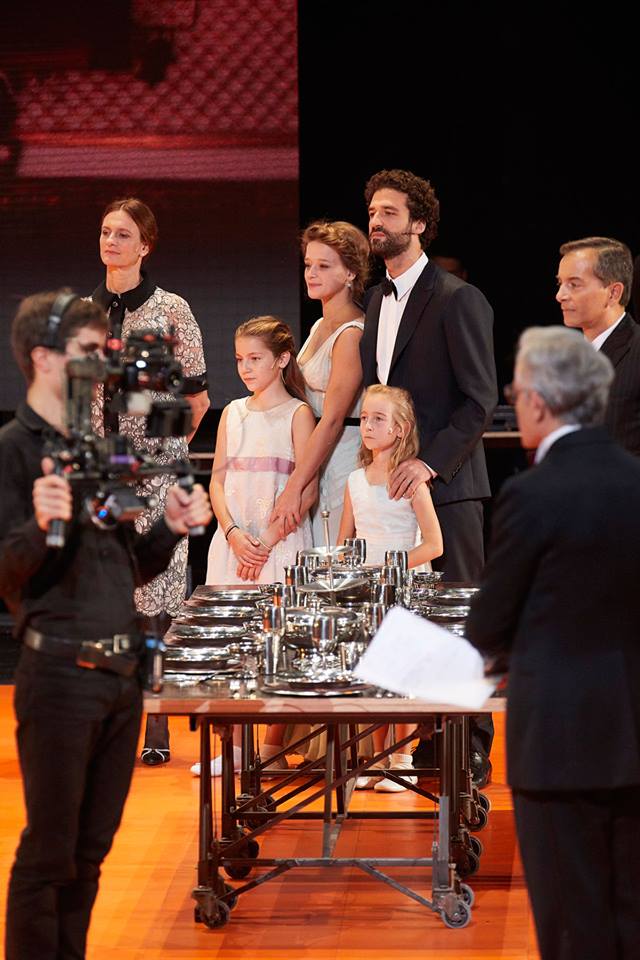
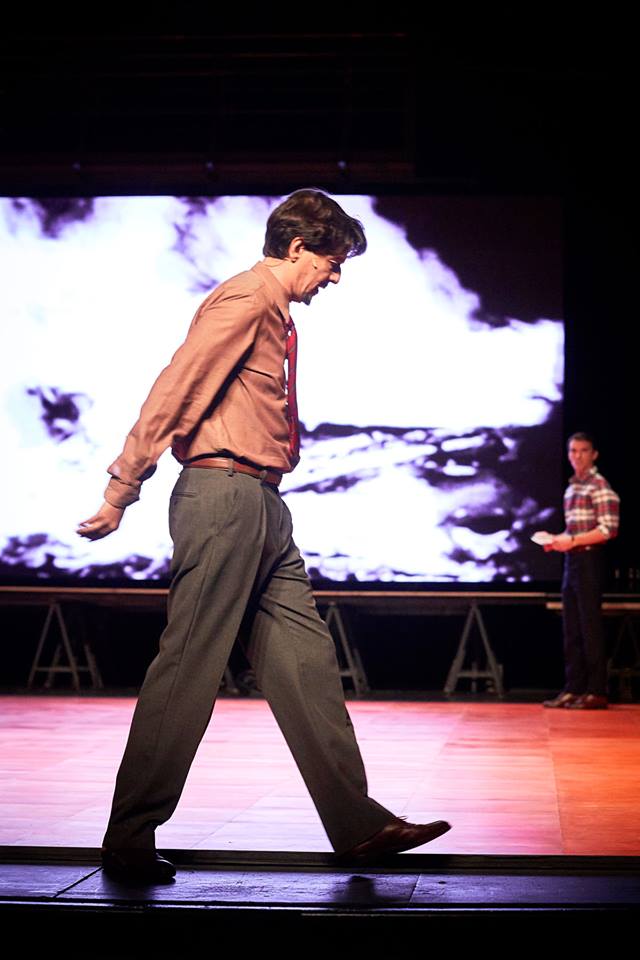
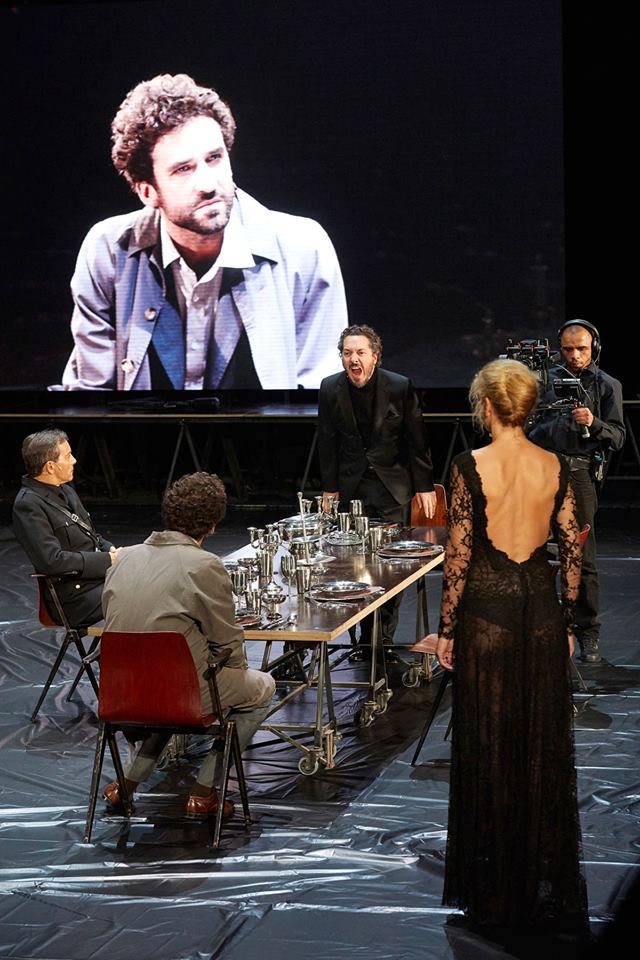
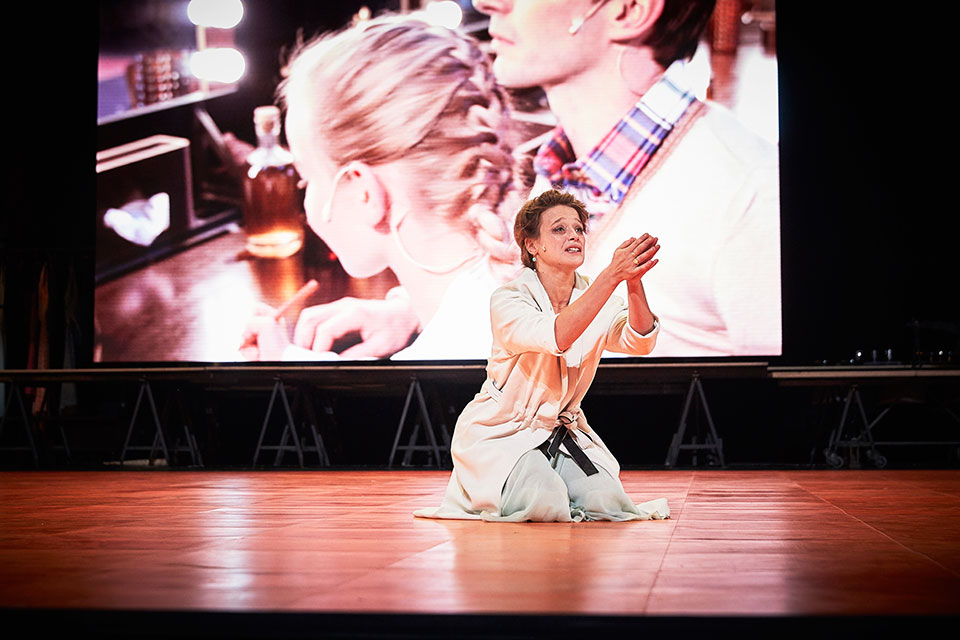
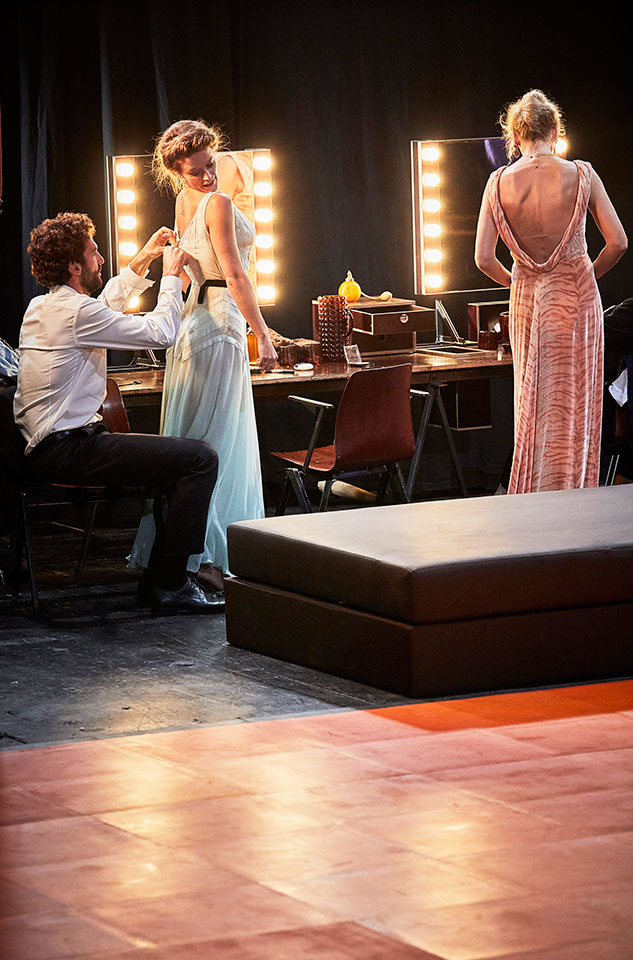
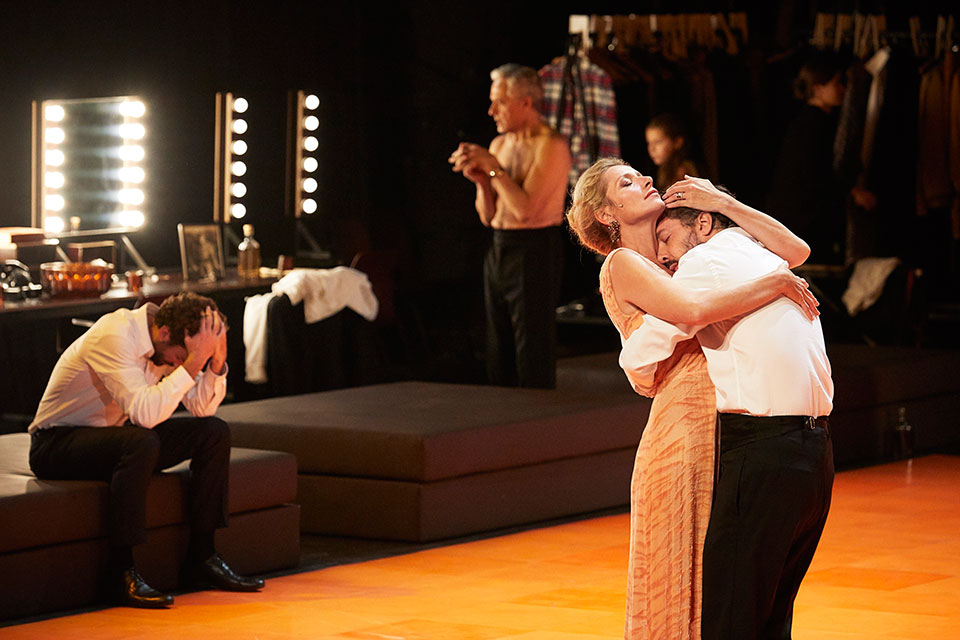
Pour sa première mise en scène avec la Troupe en 2016, le metteur en scène revisite cette chronique au scalpel d’une famille d’industriels pendant la prise de pouvoir des nazis en 1933 en Allemagne. Il y voit une « célébration du Mal » où débauche idéologique et perversions familiales s’entremêlent. Sa création en juillet 2016 au Festival d’Avignon marque les esprits tant cette machine infernale résonne à nos oreilles contemporaines. « Dans l’archaïsme du dispositif où l’ensemble des comédiens et des techniciens se présentent à nous comme un chœur antique, dans la nudité souffrante des corps et dans le sang répandu, ce sont les Enfers que nous voyons », relève Éric Ruf.En tournée
NEW YORK Park Avenue Armory JUIL 2018
LONDRES Barbican JUIN 2019
ANVERS Stadsschouwburg Antwerpen SEPT 2019— Le DVD de la pièce est disponible à la Boutique
Après 23 ans d’absence, la Comédie\-Française retrouve la Cour d’honneur pour la création des _Damnés_ mis en scène par Ivo van Hove
DÈS SA NOMINATION en tant qu’administrateur de la Comédie-Française, en 1970, Pierre Dux invite Jean Vilar qui, en retour, le sollicite pour une venue de la Comédie-Française au Festival d’Avignon. Pierre Dux craint cependant, avec des œuvres trop traditionnelles, d’exposer les Comédiens-Français à un public réputé chahuteur. Les difficultés budgétaires ruinent l’espoir d’une union. À la mort de Jean Vilar, son successeur, Paul Puaux, propose à nouveau la Cour d’honneur à la Comédie-Française pour le Festival de 1972. Jean-Paul Roussillon choisit d’y monter Sophocle (Œdipe roi et Œdipe à Colone). Les deux spectacles amenés par Pierre Dux, Richard III par Terry Hands et les deux Œdipe, laissent la presse indifférente quand elle n’est pas sceptique sur le fait que le Français puisse se « mettre à l’heure de la Cour d’honneur ».
> Bien que Jean Vilar éprouvait de l’admiration pour la Comédie\-Française, les rapports de la Maison de Molière avec le Festival d’Avignon, temple de la création et de l’expérimentation, relevèrent souvent de l’incompréhension mutuelle.
L’invitation n’est pas renouvelée jusqu’en 1979 où Bernard Faivre d’Acier, successeur de Puaux, convainc le nouvel administrateur, Jacques Toja, d’être présent par un spectacle préfigurant une participation plus importante en 1981. La Double Inconstance, ancien projet de Jean-Luc Boutté, permet de pallier cette programmation tardive. Le Cloître des Carmes offre un cadre idéal pour la Maison de Molière. La distribution des rôles à contre-emploi, la qualité de l’interprétation et le dépouillement scénique bousculent les préjugés : « La tortue Comédie-Française continue à distancer bien des lièvres avant-gardistes. »
Comme prévu, elle occupe en 1981 la Cour d’honneur : Médée d’Euripide montée par Jean Gillibert et complétée par des lectures au Cloître du Palais Vieux, inaugure le Festival. La mise en scène, clivante mais décapante, fera beaucoup parler d’elle.
Bernard Sobel, pressenti pour monter Coriolan, en 1981, représente la Comédie-Française avec Marie Stuart de Schiller au cloître de Villeneuve lès Avignon, en 1983.
Ce Festival est, pour Bernard Faivre d’Acier, « celui d’hommes et de femmes de 30 à 40 ans, qui ont maintenant atteint leur pleine maturité ». L’un d’eux, Jean-Pierre Vincent, alors directeur du TNS qui ouvre le Festival avec les Dernières nouvelles de la peste de Bernard Chartreux, apprend à Avignon sa nomination à la direction de la Comédie-Française.
Ce fils du Festival accompagnera, avec Macbeth, la Comédie-Française à Avignon en 1985. Malheureusement, le mistral interrompt pendant plusieurs jours les représentations.
À partir de 1985, un écrivain est mis à l’honneur chaque année. Fruit de la rencontre entre Alain Crombecque, directeur du Festival depuis 1984, qui veut faire entendre des auteurs contemporains, et Jean-Pierre Vincent, qui renoue au cours de son mandat, avec les soirées littéraires, Le Savon de Francis Ponge – porté à la scène pour la première fois – est, pour la Comédie- Française, « une autre façon d’imaginer le spectacle ». L’aventure littéraire se poursuit deux ans plus tard avec Robert Pinget (1987) auquel Alain Crombecque rend hommage au cours de ce 41e Festival qui marque la « venue en force des institutions » : le Théâtre de Chaillot, l’Opéra de Paris, le Théâtre des Amandiers et la Comédie-Française.
Parmi les metteurs en scène les plus fidèles et les plus inextricablement liés à l’histoire du Festival d’Avignon, trois furent administrateurs du Français : Jean-Pierre Vincent, Antoine Vitez et Jacques Lassalle. Lorsqu’il vient occuper pour la troisième fois la Cour d’honneur en 1989, Vitez dirige la Comédie-Française depuis un an. Il l’ouvre avec Jeanne Moreau, qui n’était pas venue depuis 1951, et La Célestine de Fernando de Rojas et la Troupe continuent de participer à des lectures, cette fois de textes d’Aimé Césaire.
En 1990, Vitez décède. « Un plan de plusieurs années avait été prévu avec la Comédie-Française », souligne Alain Crombecque dans son hommage. Elle revient, en 1992, pour un cycle de lectures de Serge Rezvani puis, en 1993, avec Dom Juam, « l’œuvre matrice de beaucoup d’autres » (Bernard Faivre d’Acier, de retour à la direction du Festival) qui n’avait pas été joué depuis trente-cinq ans. La malchance s’abat. La pluie sur le plateau en pente rend le décor – d’une beauté très assortie au cadre architectural – impraticable aux comédiens. Des représentations doivent être annulées.
Depuis que des artistes associés participent à la programmation du Festival (2004), la Comédie-Française peine à susciter le désir et à trouver sa place. La Maison Jean-Vilar lui offre cependant un lieu de lectures privilégié. Si l’ouverture du Festival d’Avignon 2016 par la Comédie-Française n’est donc pas une nouveauté pour celle qui y fut présente régulièrement (onze spectacles en vingt-et-un ans), elle est néanmoins un événement puisqu’elle retrouve, après 23 ans d’absence, la Cour d’honneur pour la création des Damnés mis en scène par Ivo van Hove.
-
Mise en scène : Ivo van Hove
Scénographie et lumières : Jan Versweyveld
Costumes : An D’Huys
Vidéo : Tal Yarden
Musique originale et concept sonore : Eric Sleichim
Dramaturgie : Bart Van den Eynde
Assistanat à la mise en scène : Laurent Delvert
Assistanat à la scénographie : Roel Van Berckelaer
Assistanat aux lumières : François Thouret
Assistanat au son : Lucas Lelièvre
Documents
-
 Download the PDF (3.85 MB)
Programme Les Damnés 18/19
Programme des Damnés d’après le scénario de Luchino Visconti, Nicola Badalucco et Enrico Medioli. Mise en scène Ivo van Hove, Salle Richelieu 18/19.
Casting
-
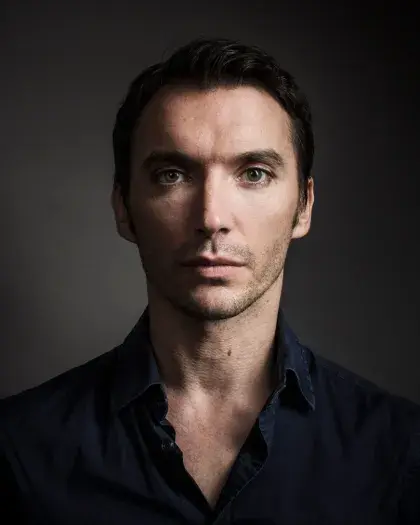
-
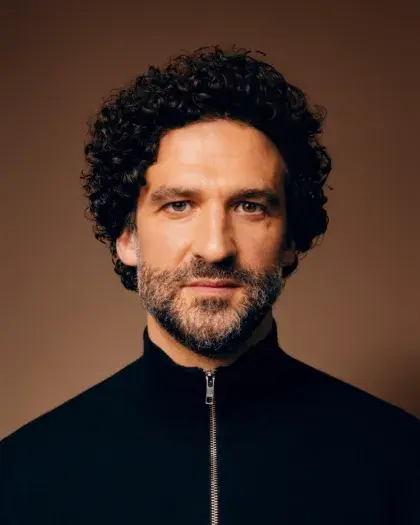
-
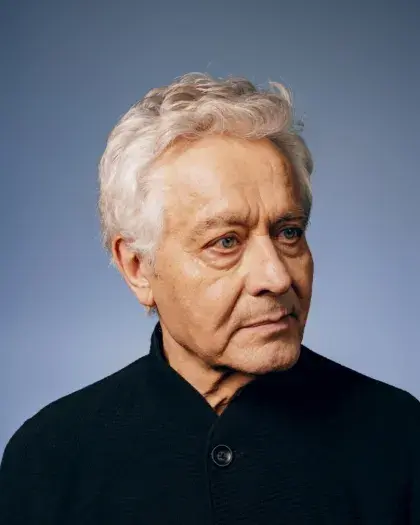
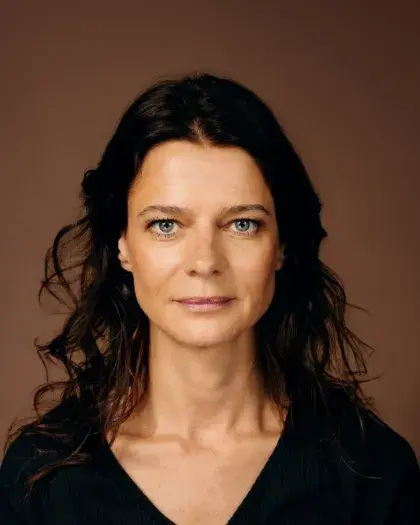
Et avec
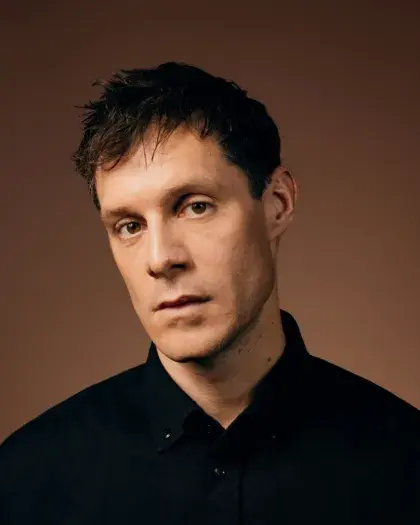
Sébastien Baulain : Janeck
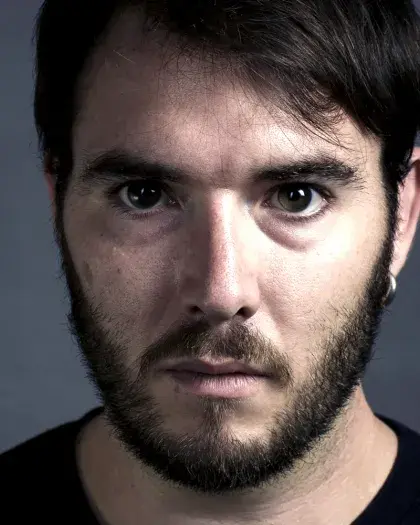
Basile Alaïmalaïs : Un homme en noir
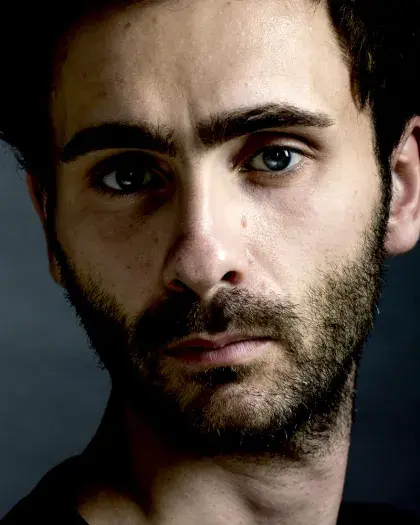
Thomas Gendronneau : Un homme en noir
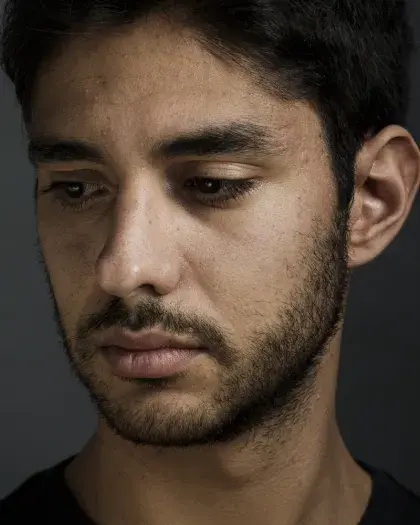
Tom Wozniczka : Un homme en noirRose Delloye, Inès de Kergorlay, Marie de Thieulloy : Erika (en alternance)
Margaux Billette, Océane de la Houplière, Louise Le Riche : Thilde (en alternance)
Joséphine Ballu, Prune Bozo, Julia Troussieux : Lisa (en alternance)