Le Tartuffe ou l'Hypocrite
Directed by Ivo van Hove
From 15 January to 24 April

Discover the play
-
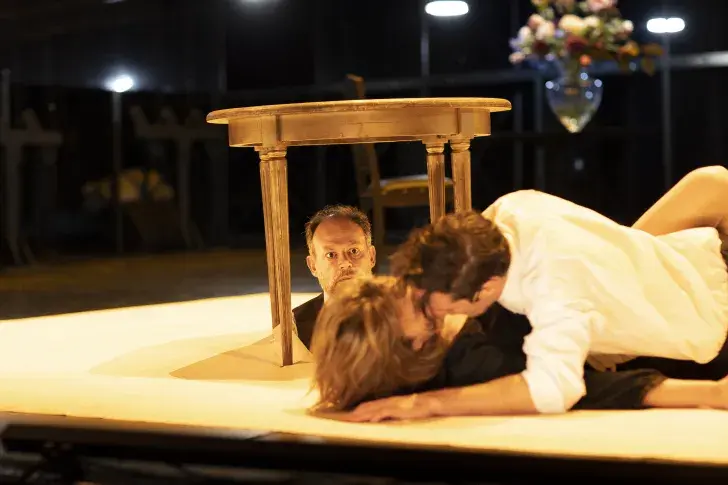
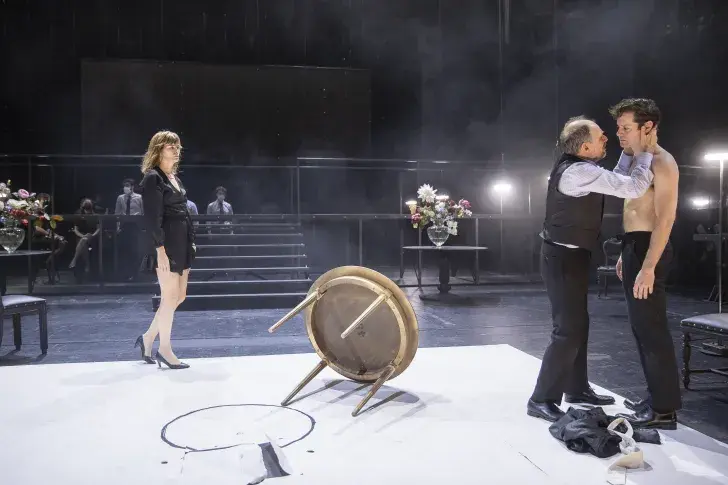
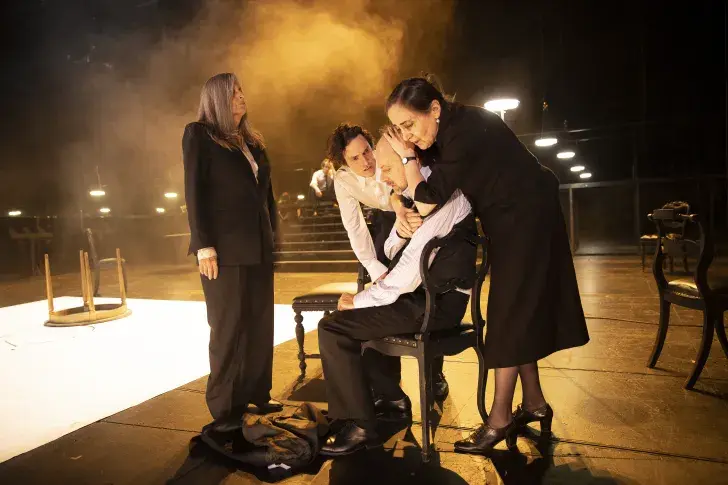
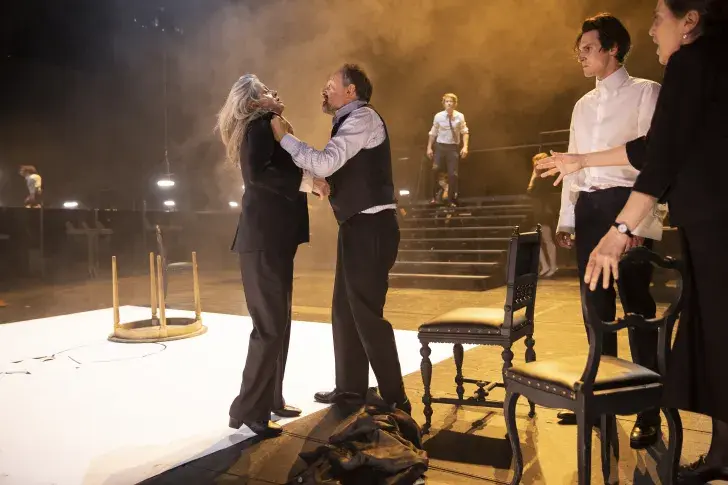
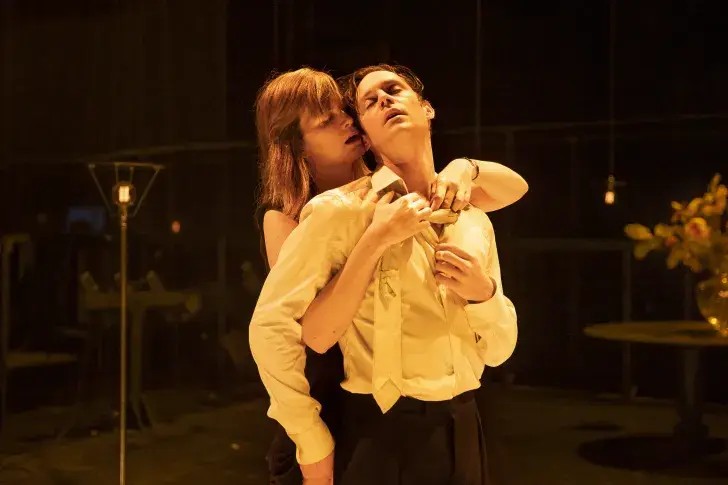
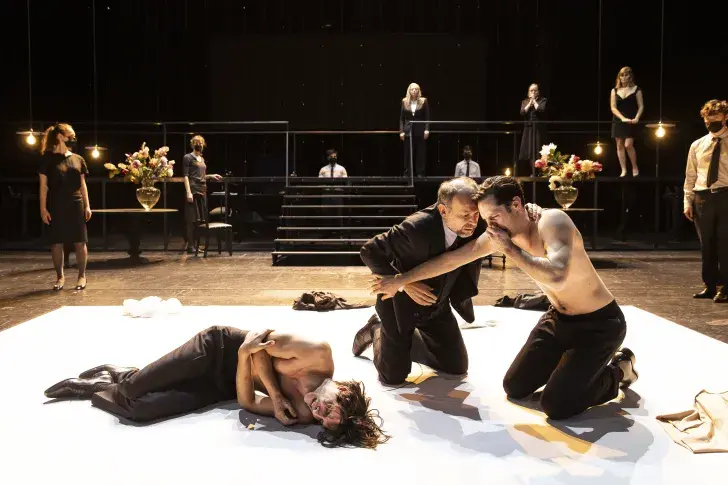
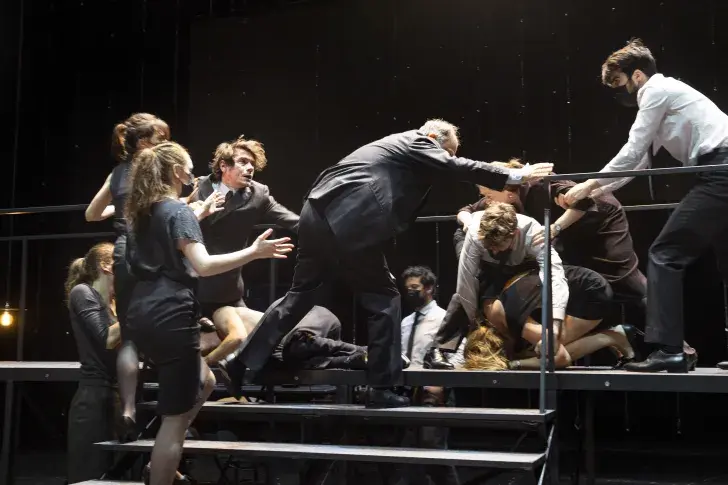
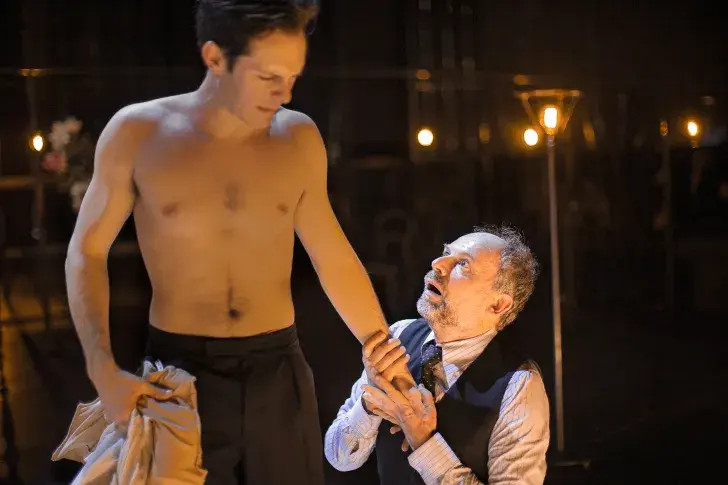
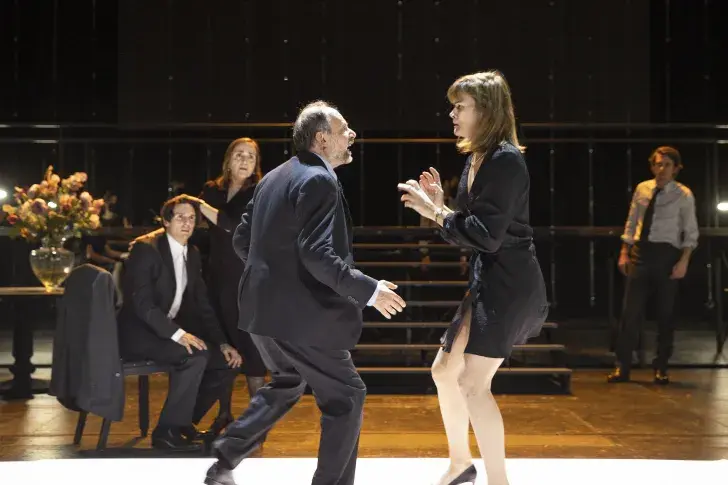
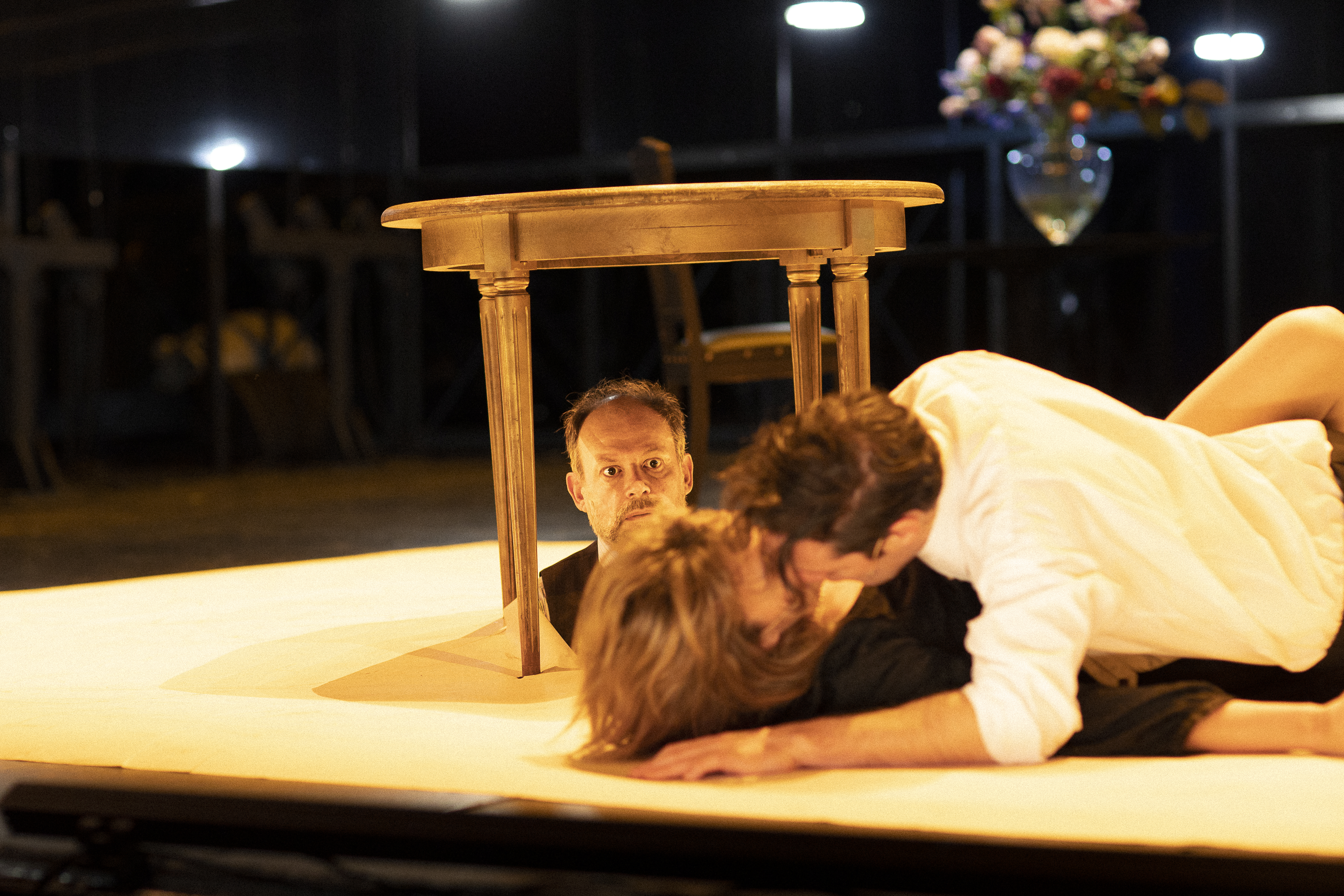
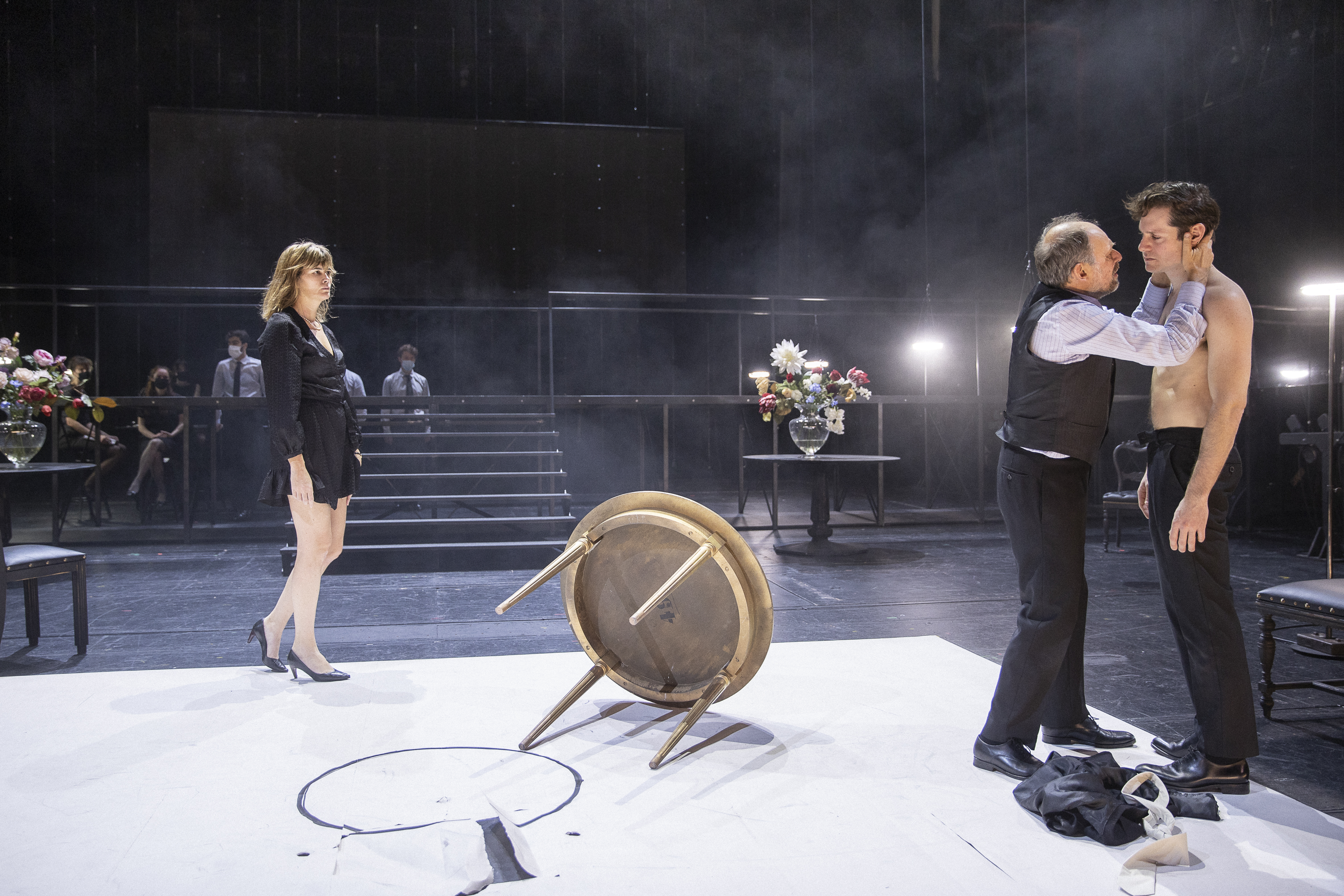
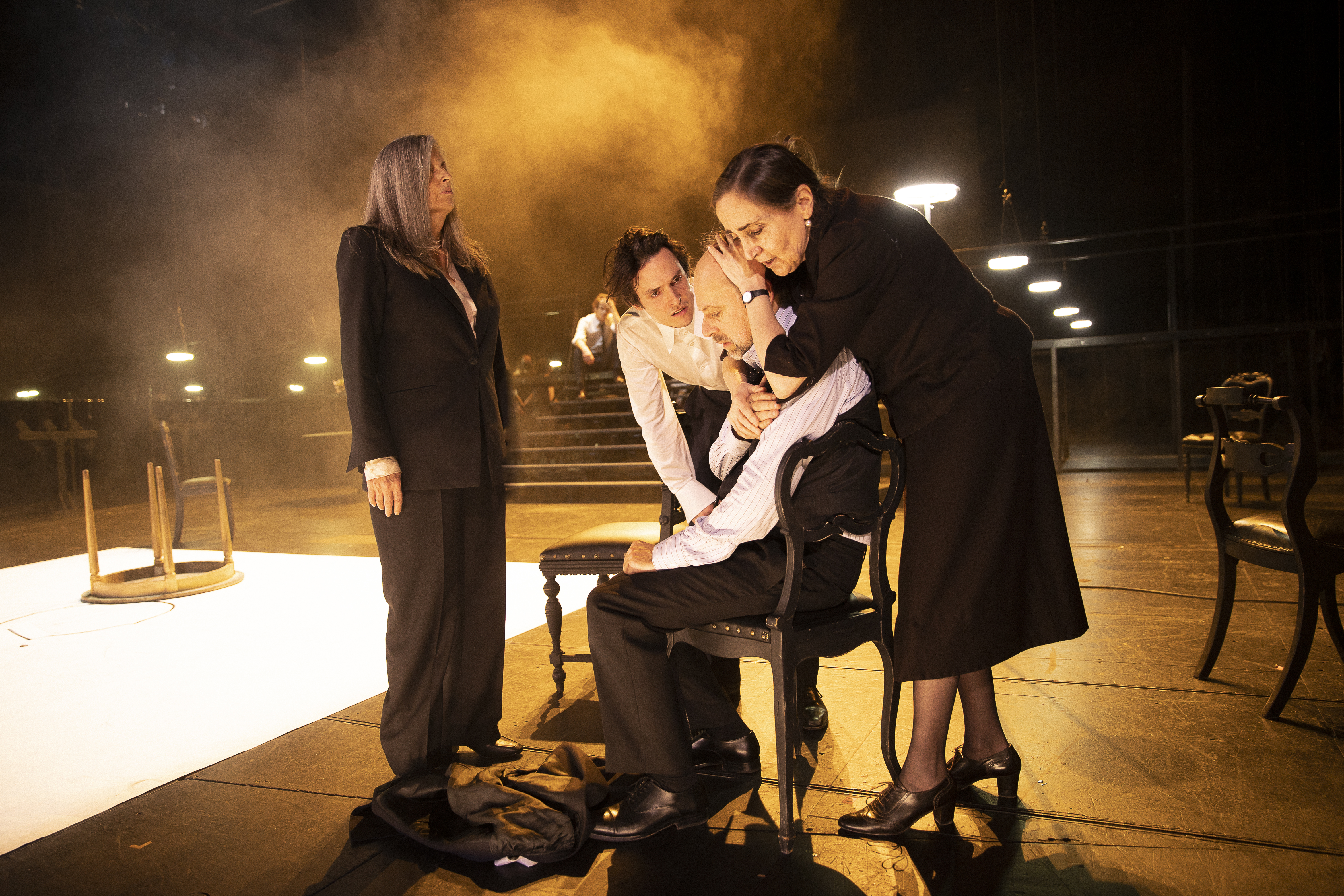
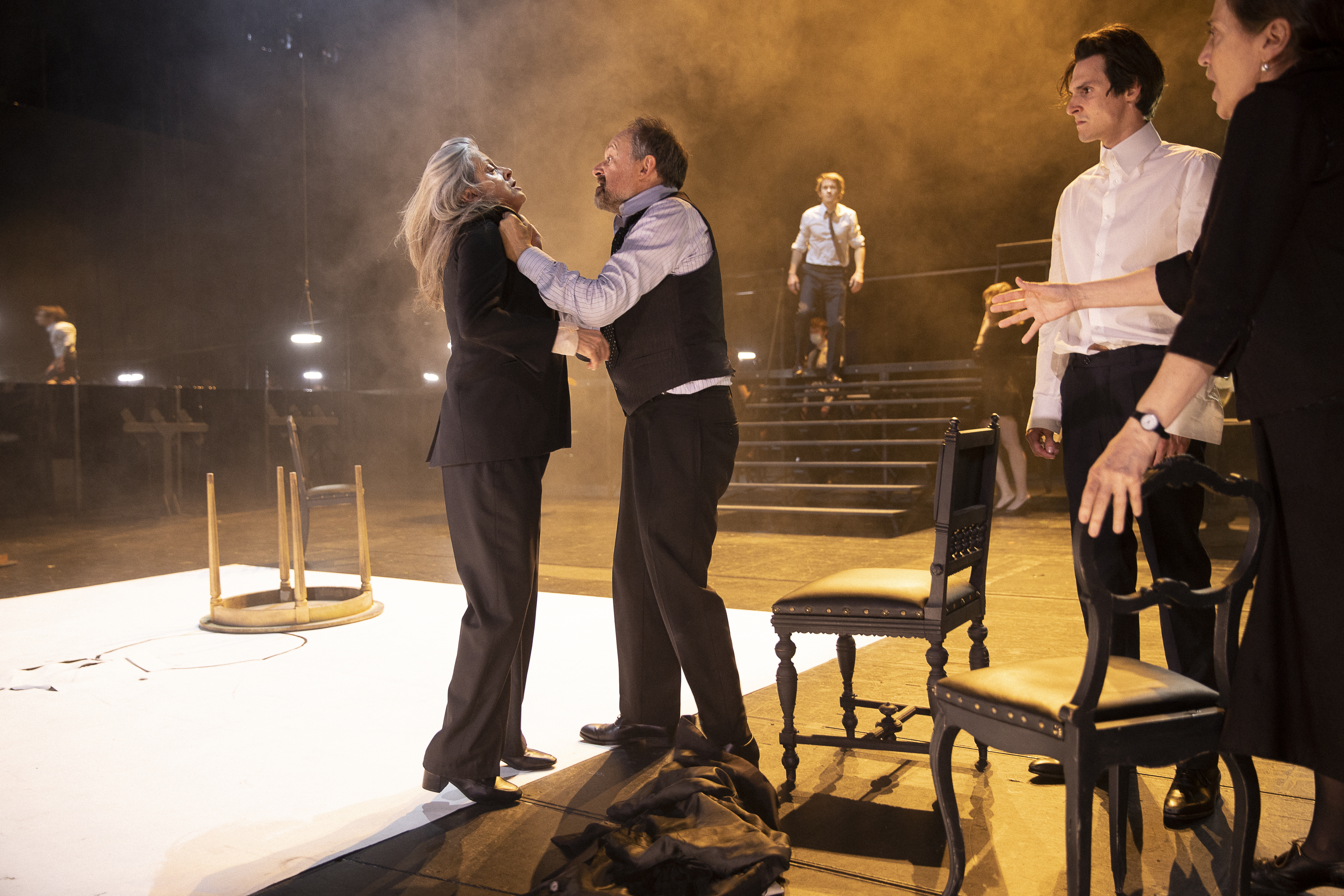
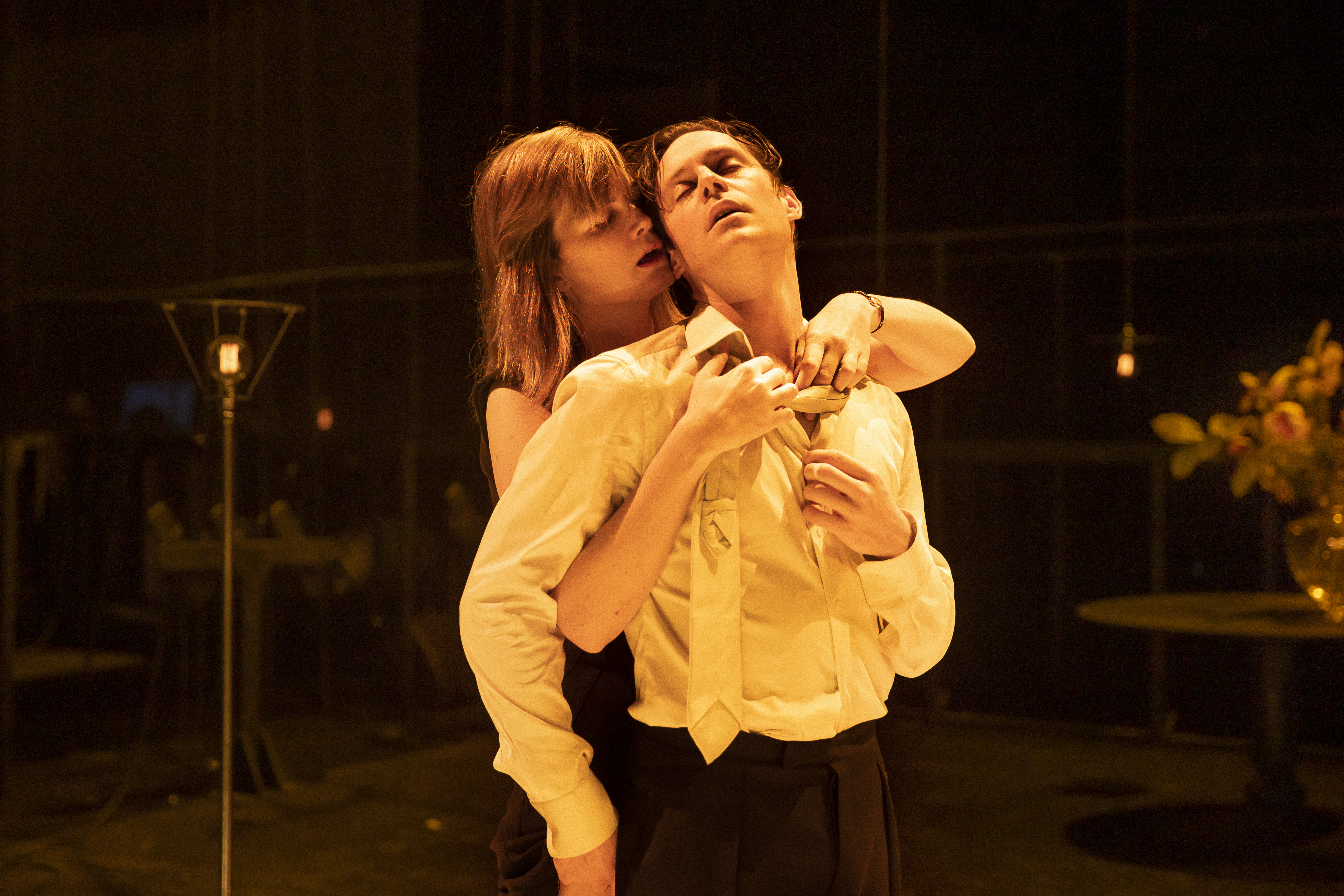
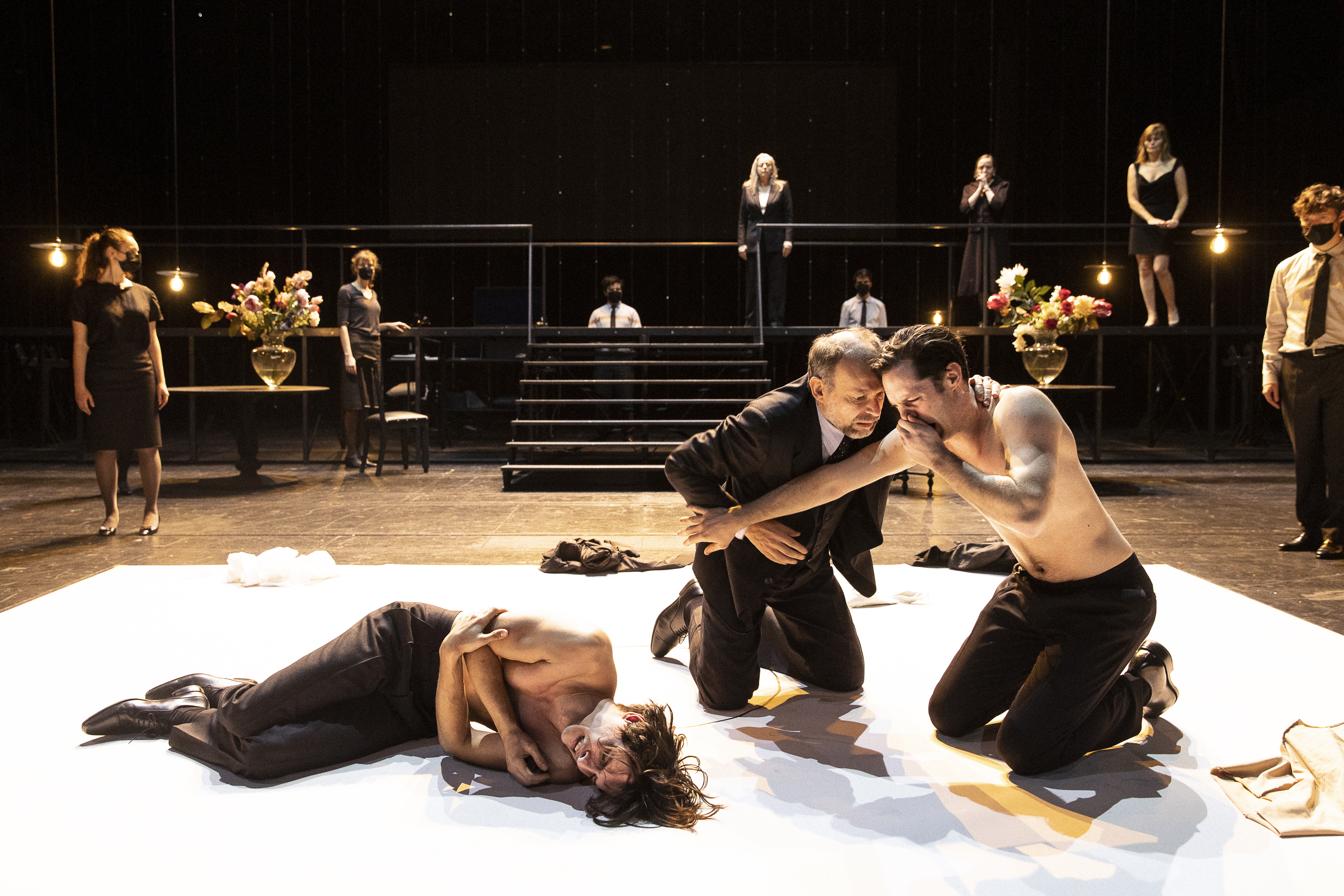
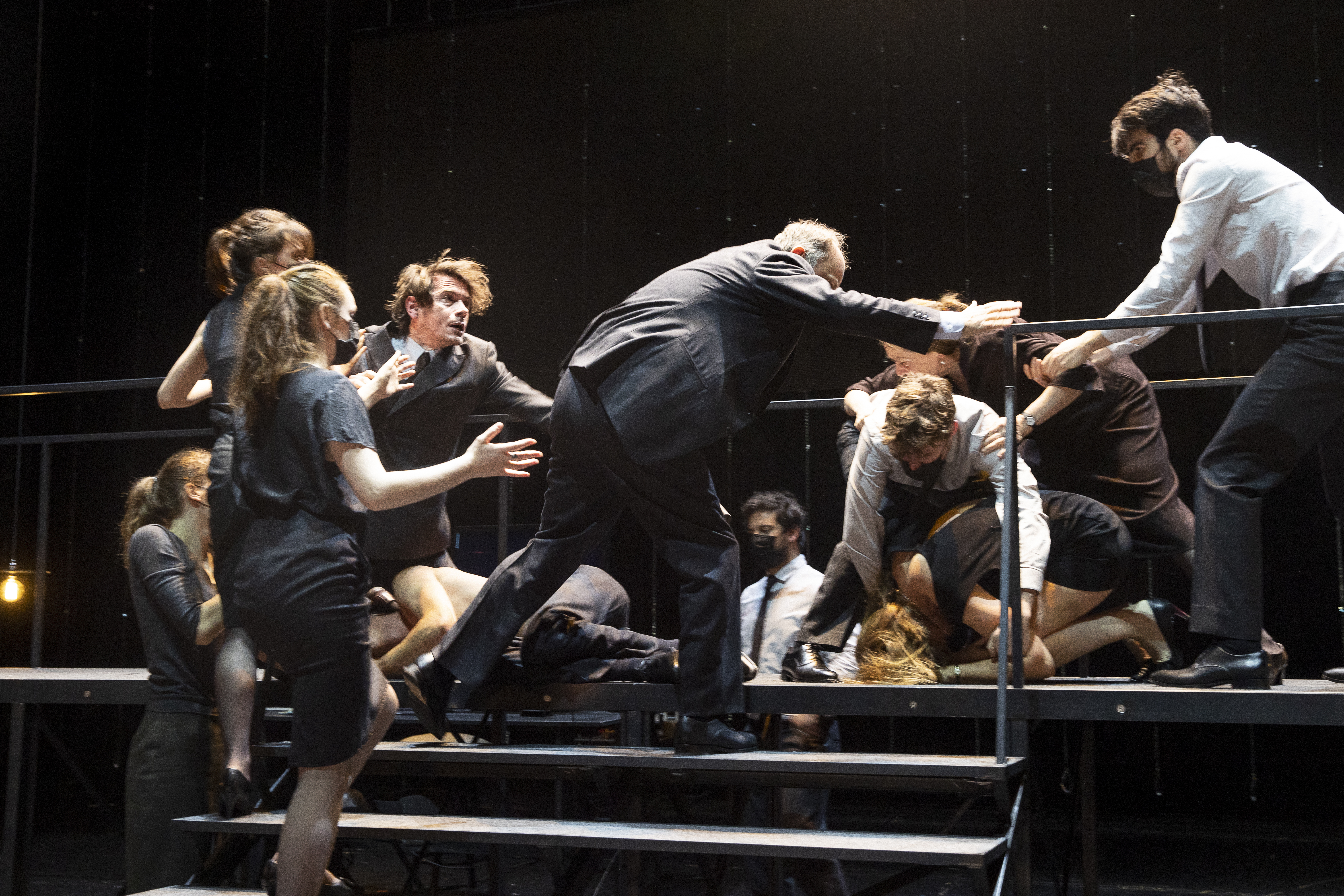
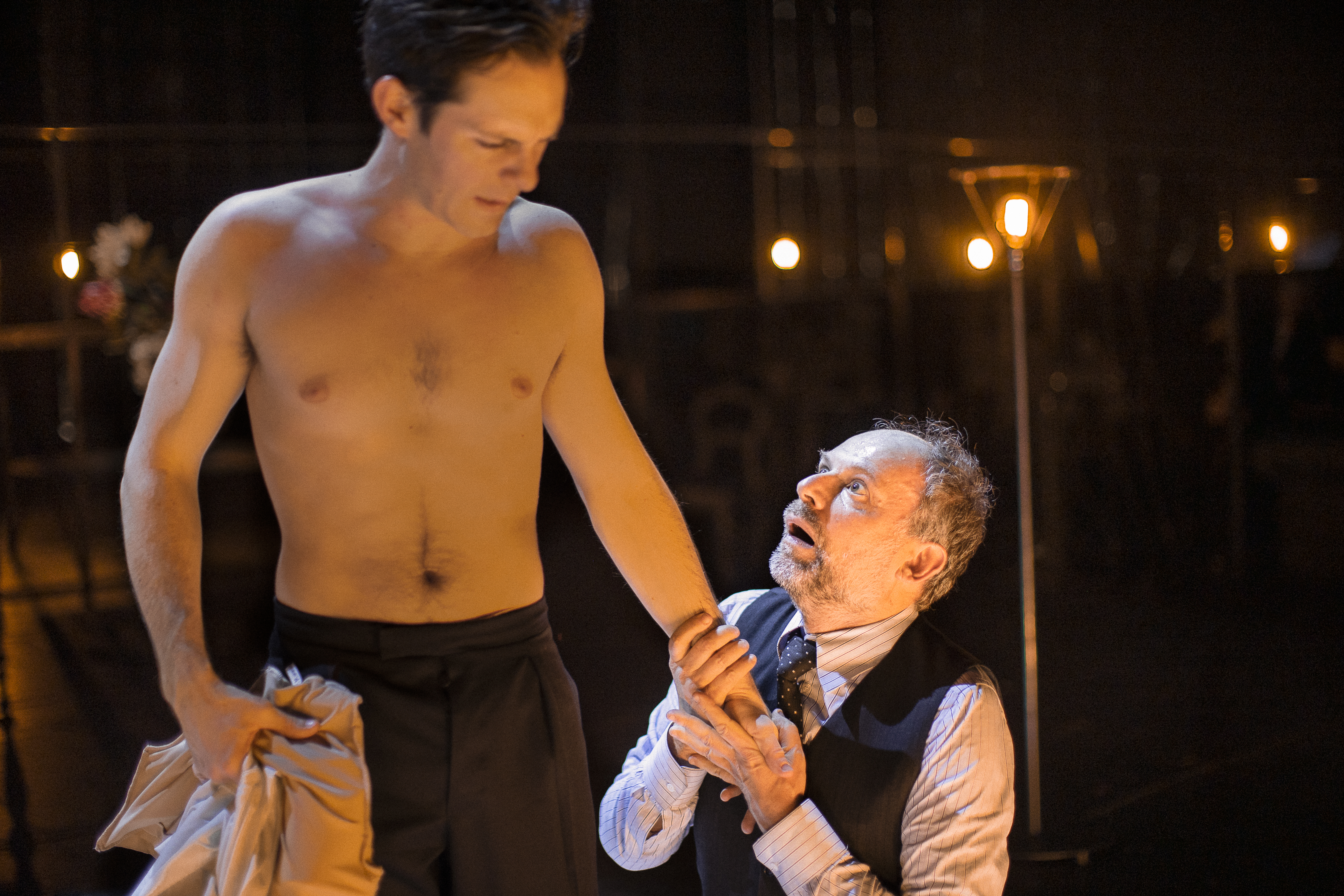
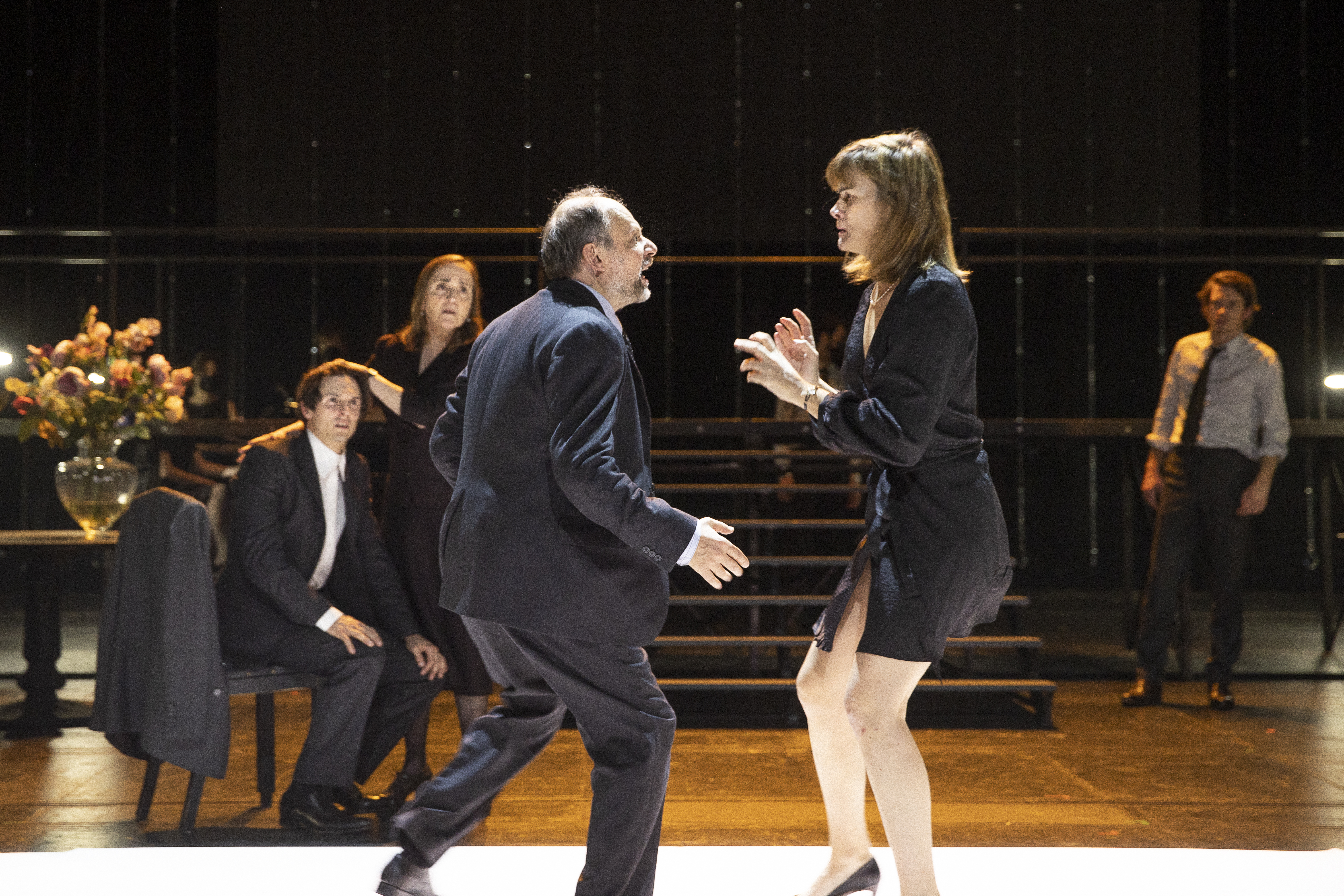
Elle a été reconstituée grâce au travail de « génétique théâtrale » mené par l’historien Georges Forestier qui précise que ce Tartuffe s’est trouvé censuré par Louis XIV, qui ne pouvait d’un côté se faire le héraut de l’orthodoxie catholique et de l’autre permettre à son comédien-auteur préféré de représenter sur son théâtre parisien une telle satire des dévots. La pièce que nous connaissons depuis, Le Tartuffe ou l’Imposteur, est une version modifiée en 1669, assouplie et étendue à cinq actes quand la première ne comprenait que trois actes. Cette création signe les retrouvailles d’Ivo van Hove avec la Troupe, qu’il a dirigée dans Les Damnés et Électre/Oreste, mais aussi avec Molière, dont il a déjà monté Le Misanthrope et L’Avare, mais qu’il met en scène pour la première fois en France. Il choisit cette version énergique, furieuse même, concentrée sur la crise que l’arrivée de Tartuffe provoque dans une riche famille, en ruines. Elle est resserrée sur la relation passionnelle de Tartuffe avec la deuxième et jeune épouse du riche Orgon, le conflit entre le père et le fils ainsi que l’opposition entre une vision progressiste et libertine du monde portée par Cléante et celle conservatrice d’Orgon et de sa mère. Ivo van Hove n’oublie pas que Tartuffe est un mendiant qui « se voit attribuer un rôle de sauveur, de dévot, par Orgon qui trouve en lui un confident, un maître spirituel » jusqu’à ce que, pour « sceller ce lien unique, il décide de faire de Tartuffe son seul héritier. La bombe explose. Comme un grand nombre des comédies de Molière, Le Tartuffe est un drame social. »
Nouvelle production
Comédie en trois actes et en vers
Version interdite de 1664 restituée par Georges Forestier, avec la complicité d’Isabelle Grellet
Date de création de l’œuvre : 12 mai 1664 au Château de Versailles
Première à la Comédie-FrançaiseTexte inédit du Tartuffe ou l'Hypocrite disponible à la boutique de la Comédie-Française.
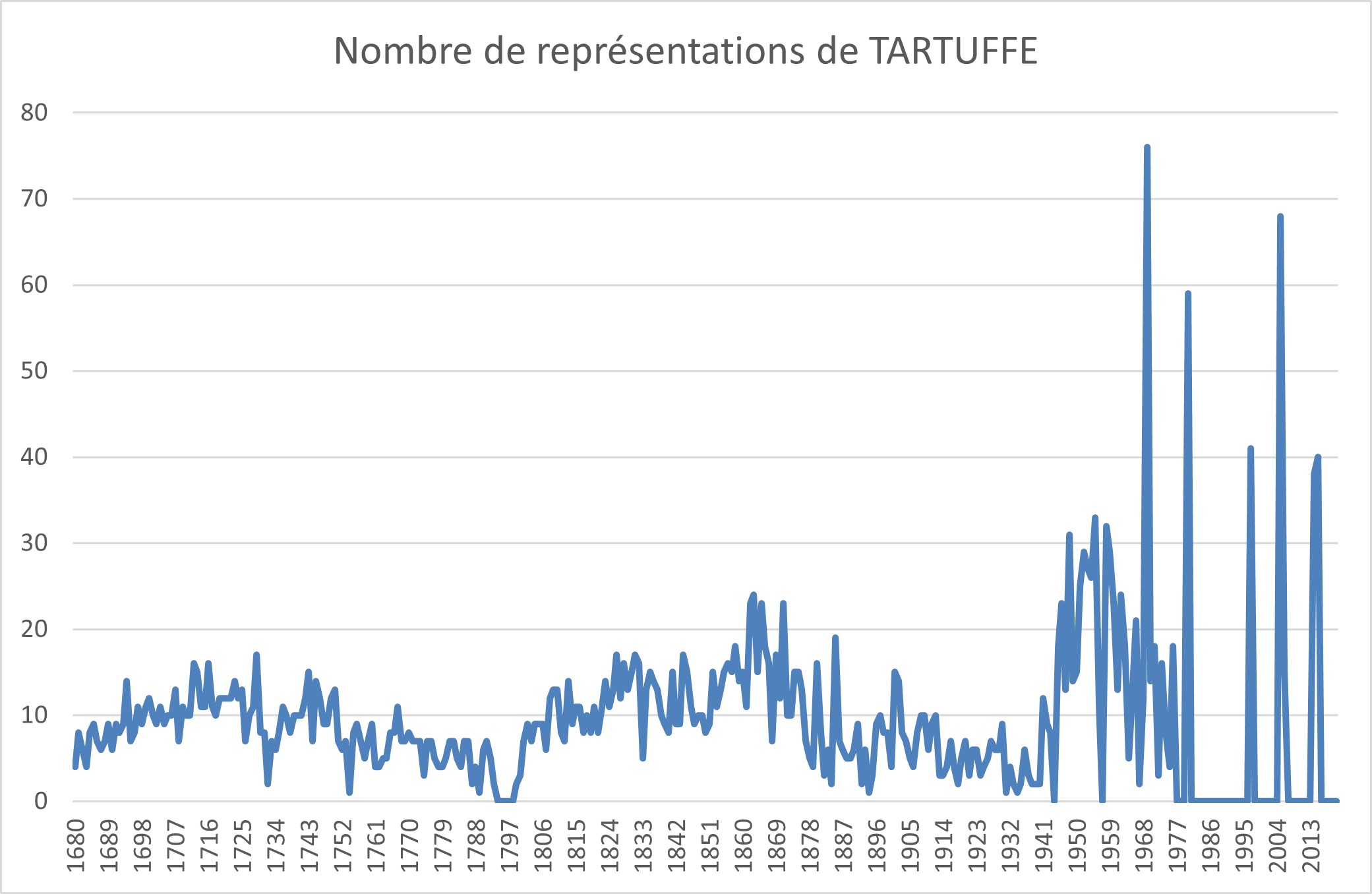
Le Tartuffe ou l’Imposteur, en 5 actes qui est habituellement joué a été créé le 5 février 1669 au Théâtre du Palais-Royal et joué 3193 fois par la Comédie-Française depuis 1680.
En tournée
Hambourg, Thalia Theater – 7 et 8 mai 2022 à 20h
Montpellier, Printemps des Comédiens – 26, 27 et 28 mai 2022 à 22h
Lyon, Les Nuits de Fourvière – 2, 3 et 4 juin 2022 à 22h
Athènes, Athens Epidaurus Festival – 16, 17 et 18 juin 2022 à 21hAu cinéma en direct 15 janv suivi de l'hommage de la Troupe à Molière
Avec le soutien de la Fondation pour la Comédie-Française
Spectacle conseillé à partir de 14 ans.
Le Tartuffe a été créé une première fois en trois actes en 1664. Cette version a été interdite. Après un deuxième essai en 1667, la troisième version en cinq actes est finalement approuvée pour être jouée. La Comédie-Française, comme tous les autres théâtres, a toujours interprété cette pièce en cinq actes, jusqu’à la mise en scène d’Ivo van Hove en janvier 2022.
La pièce a ainsi été représentée 3193 fois au répertoire, ainsi que 185 fois en tournées. C’est la pièce la plus souvent représentée du répertoire de la Comédie-Française, loin devant L’Avare.
De 1680 à la Révolution, la pièce était jouée chaque année à raison de quelques représentations. Les pièces de Molière faisaient partie du « fonds de répertoire » qu’on interprétait entre les créations de nouvelles pièces.
Le XIXe siècle a intensifié les représentations du Tartuffe (entre 15 et 20 représentations par an). La pièce était particulièrement prisée pour les hommages à Molière du 15 janvier, suivi du Malade imaginaire et de la cérémonie du Malade qui permettait au public de voir toute la Troupe.
Pendant la première partie du XXe siècle, on reprend le rythme de quelques représentations par an. Rares sont les années sans Tartuffe.
La première mise en scène en tant que telle est celle de Charles Granval en 1926, mais elle n’est jouée que peu de fois. Les mises en scène suivantes sont celles de :
- Pierre Bertin, 1942
- Fernand Ledoux, 1951
- Louis Seigner, 1958
- Jacques Charon, 1968
- Jean-Paul Roussillon,1980
- Maurice Béjart, 1980, au sein du spectacle « Les Plaisirs de l’Ile enchantée »
- Nouvelle présentation sans nom de metteur en scène, 1997
- Marcel Bozonnet, 2005
- Galin Stoëv, 2014
À partir de 1968, les mises en scène suivent un rythme de représentations proche de celui d’aujourd’hui : un grand nombre de représentation la première année suivi, parfois, de quelques années de reprises.
-
Mise en scène : Ivo van Hove
Dramaturgie : Koen Tachelet
Scénographie et lumières : Jan Versweyveld
Costumes : An D'Huys
Musique originale : Alexandre Desplat
Collaboration musicale : Solrey
Son : Pierre Routin
Vidéo : Renaud Rubiano
Réalisation maquillages : Claire Cohen
Assistanat à la mise en scène : Laurent Delvert
Assistanat à la scénographie : Jordan Vincent
Assistanat aux lumières : François Thouret
Documents
-
 Télécharger le PDF (6.4 MB)
Programme Le Tartuffe ou l’Hypocrite 21/22
Programme de Le Tartuffe ou l’Hypocrite comédie en trois actes, en vers de Molière. Mise en scène Ivo van Hove. Du 15 janvier au 24 avril 2022 Salle Richelieu.