Les Serge (Gainsbourg point barre)
From 18 January to 9 March

Discover the play
-
Mission largement accomplie : toute tentative de définition serait réductrice sinon à dire, plus de 30 ans après sa mort, que chacun et chacune porte en soi son propre Serge. Adulé ou détesté, pris en exemple ou en haine, il a toujours résisté tant à celles et ceux qui voulaient le sanctuariser qu’aux autres qui auraient aimé le voir cloué au pilori. Provocateur ? Pas si sûr. Mais compositeur et auteur de génie sans aucun doute. 1973, interviewé par Michel Lancelot:
«— Si vous aviez à écrire un livre sur la chanson?
— Il faudrait faire ce livre comme un cahier d’écolier. Ça situerait d’abord la chanson à son niveau exact. Il faudrait faire une marge et je serais en marge à chaque page.»
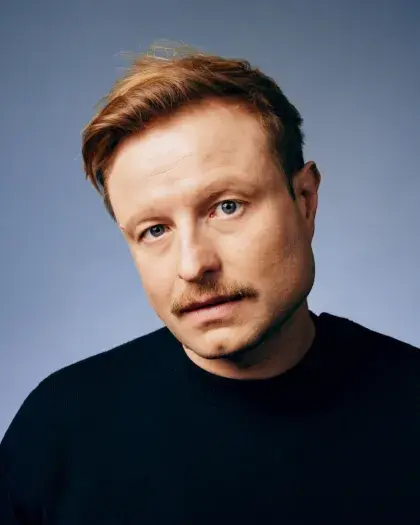
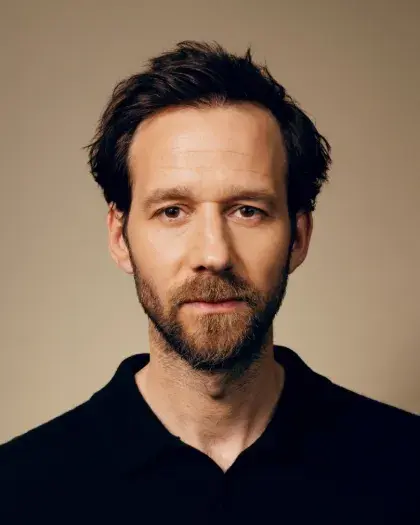
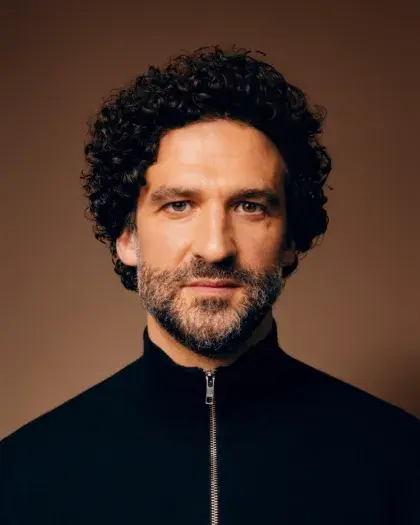
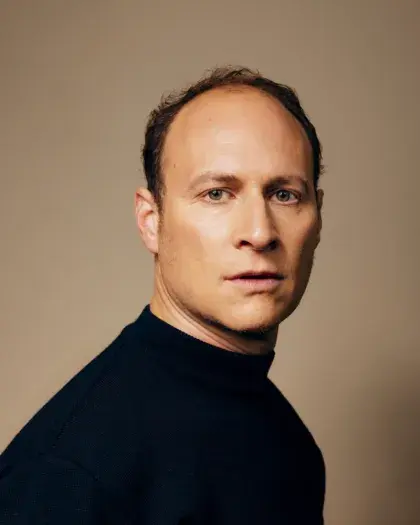
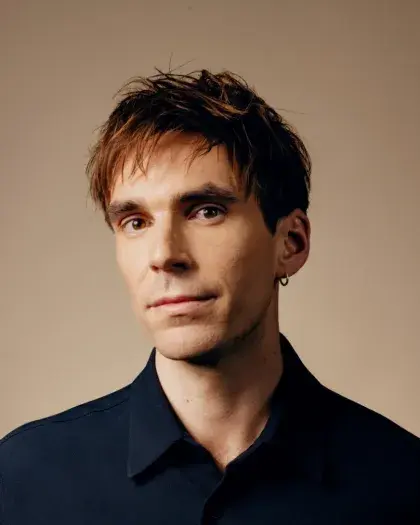
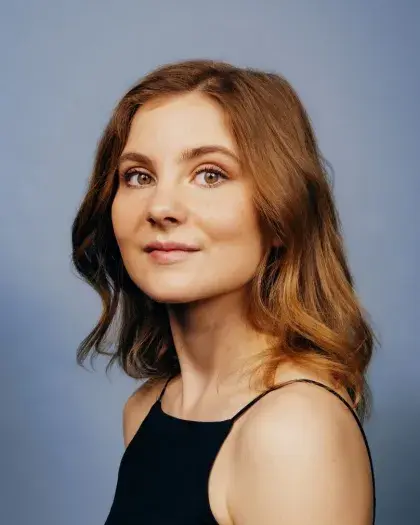
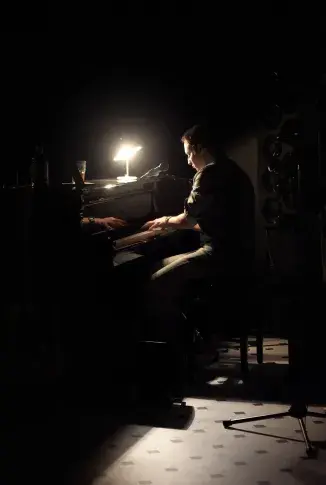
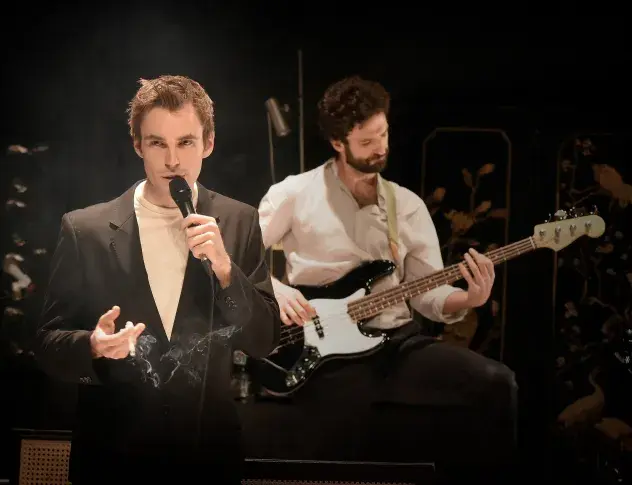
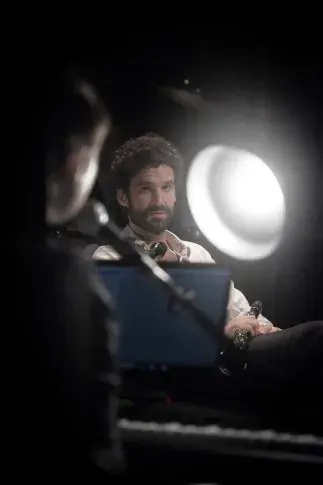
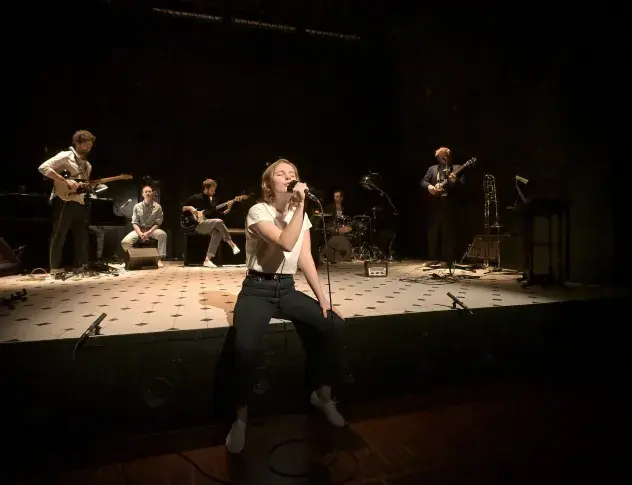
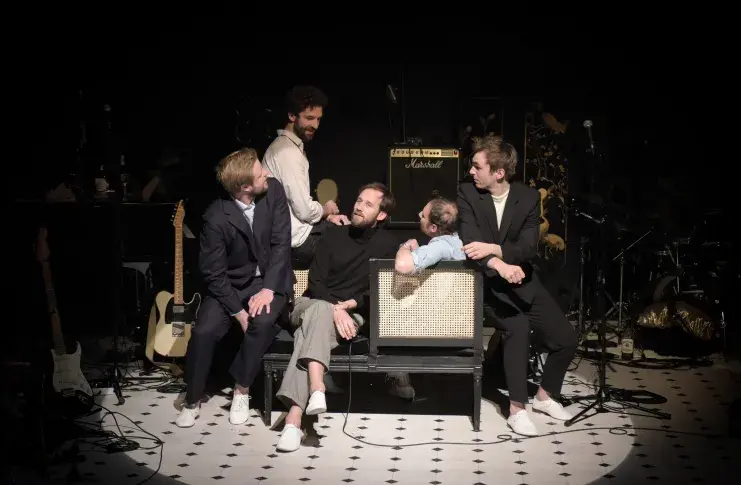
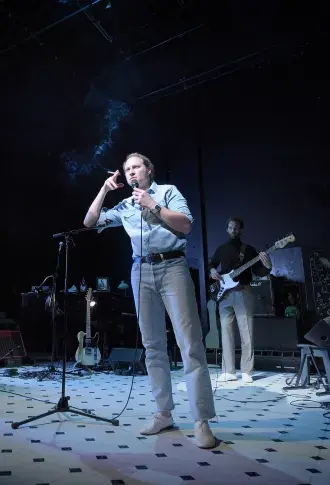
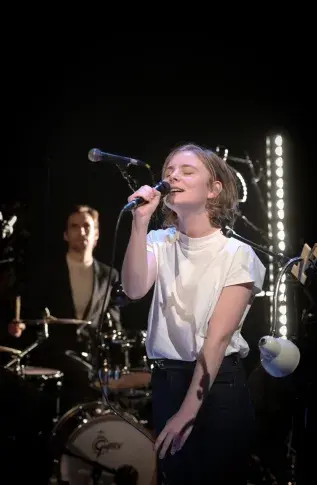
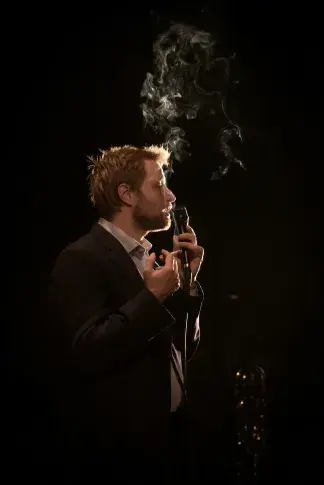
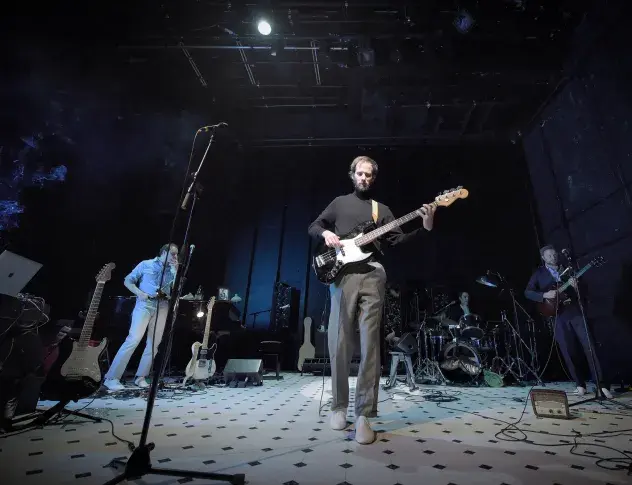
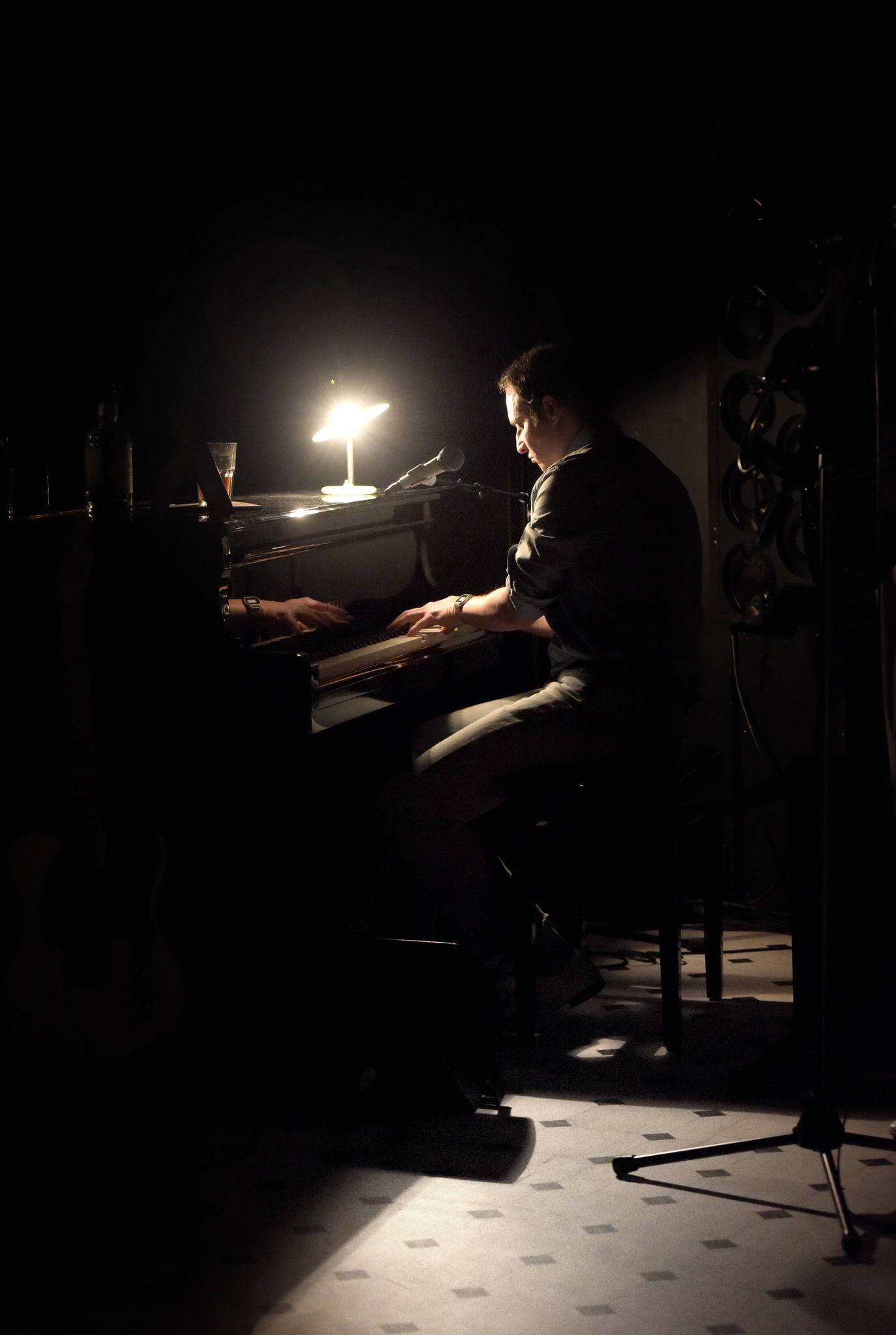
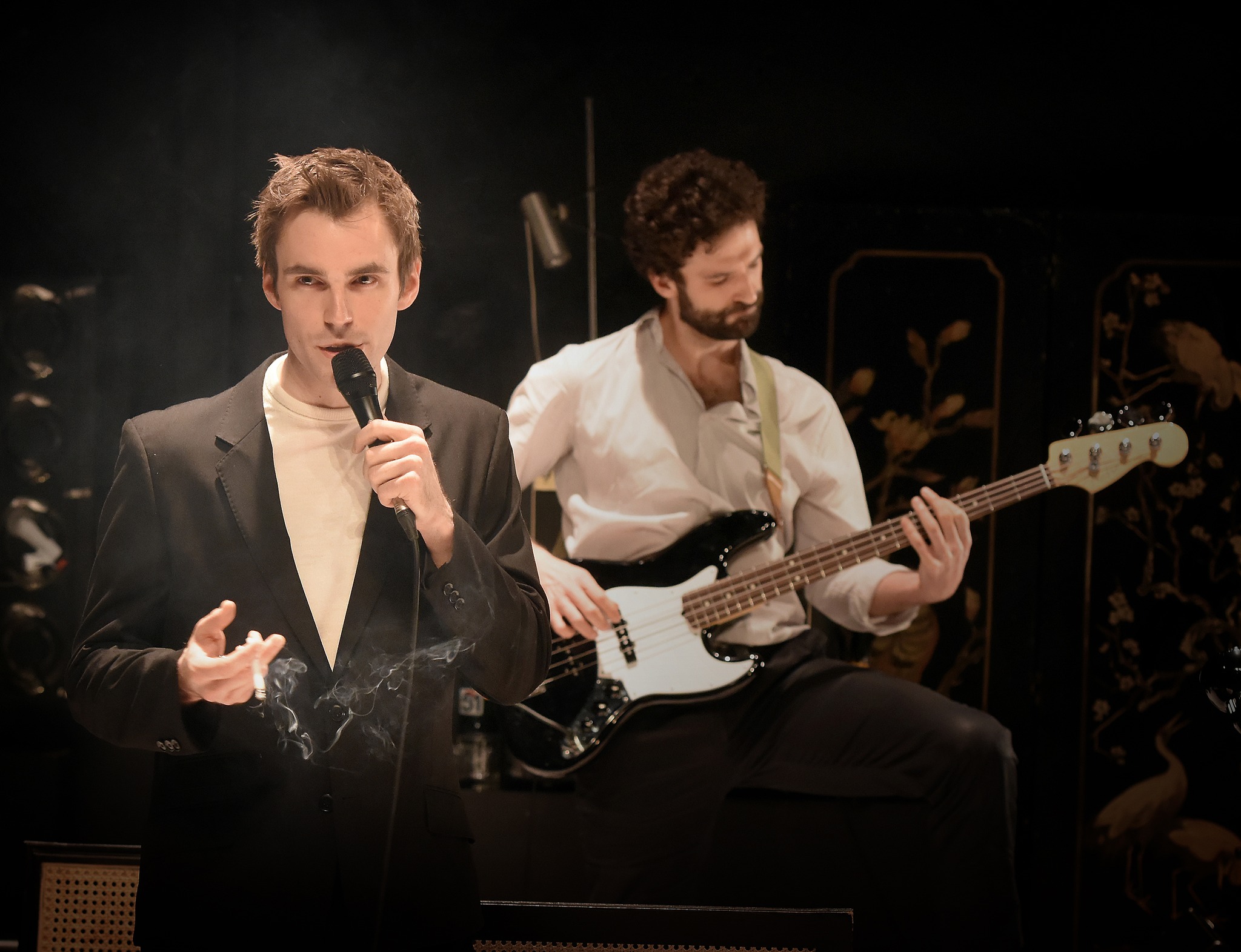
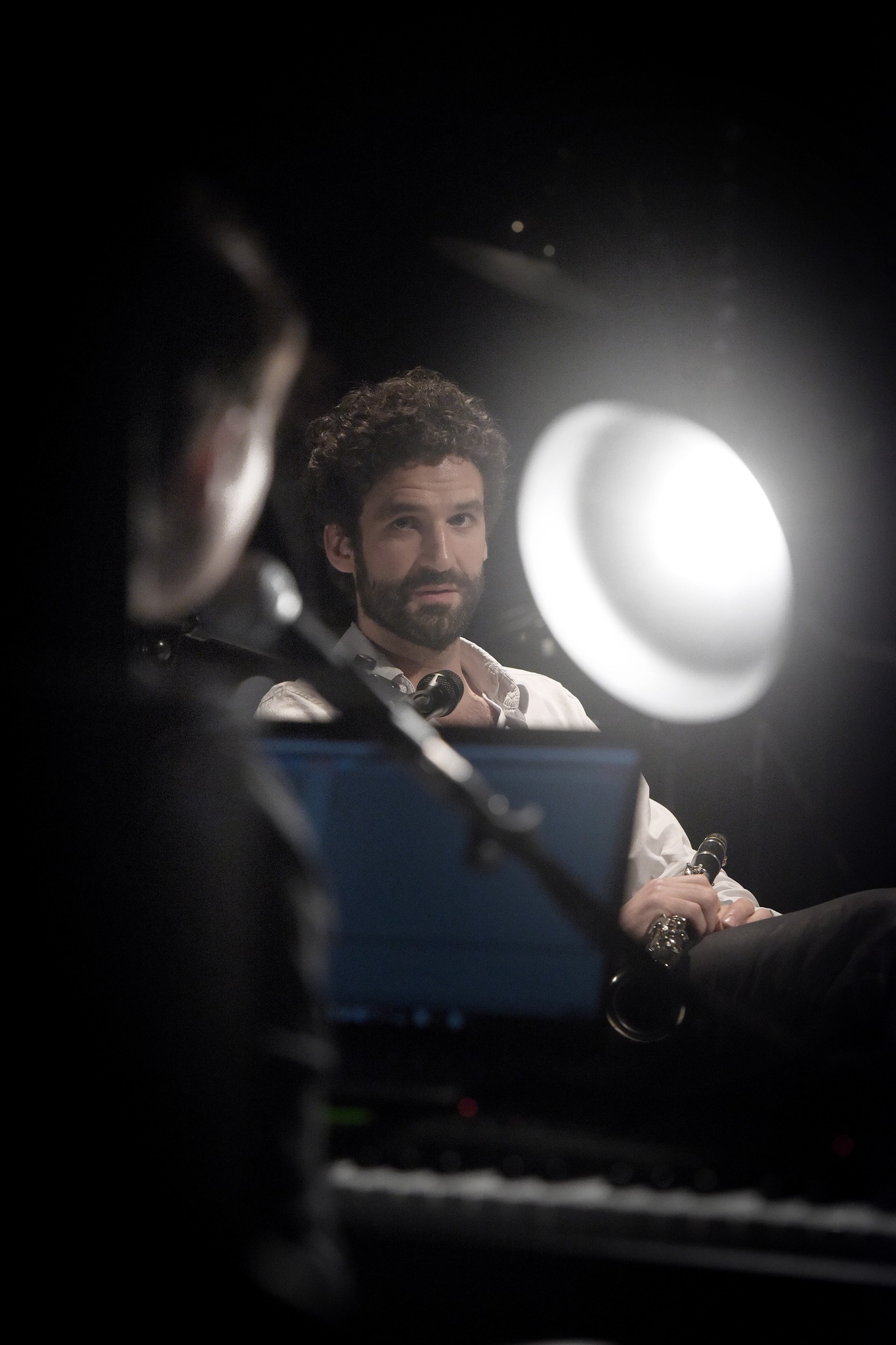
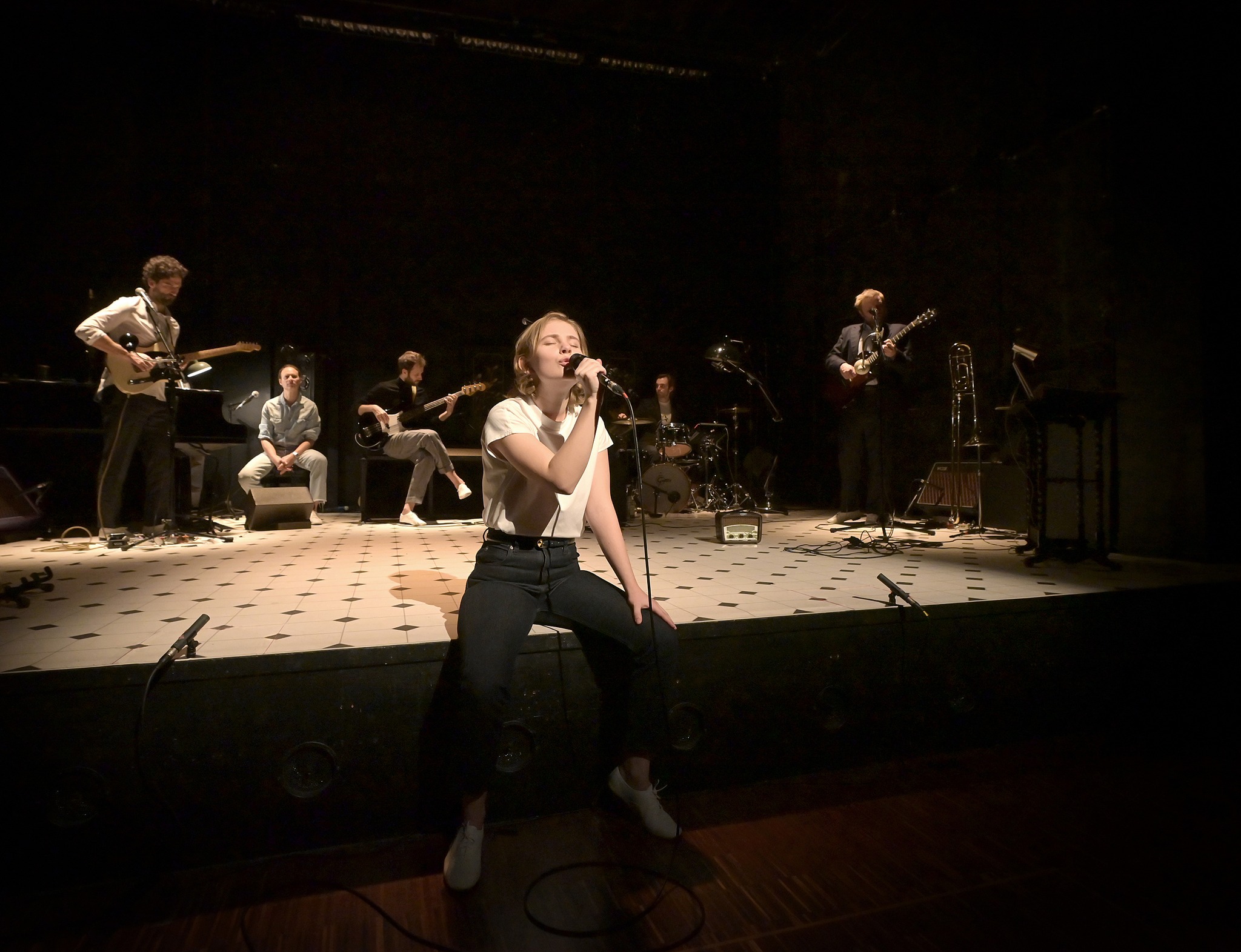
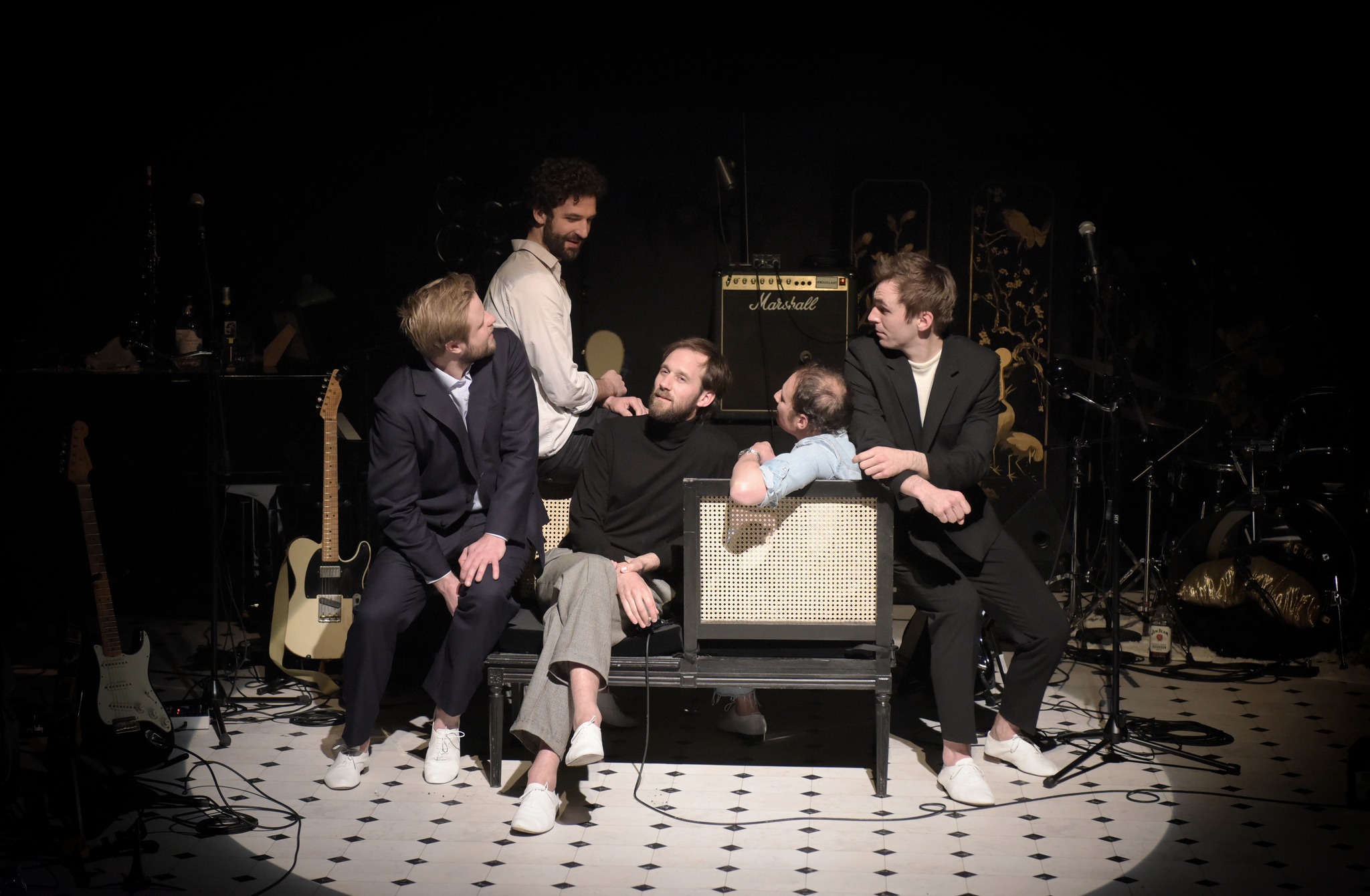
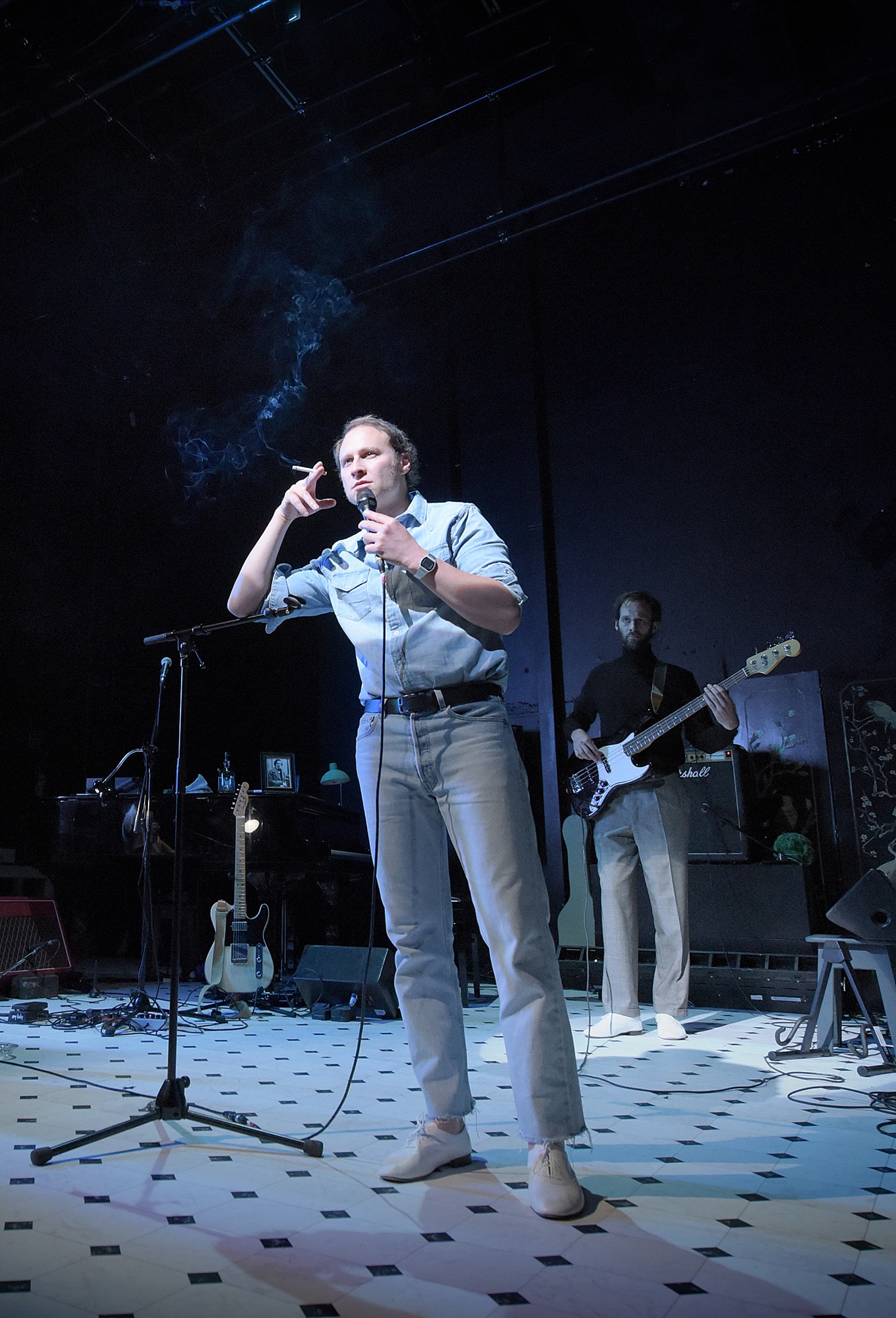
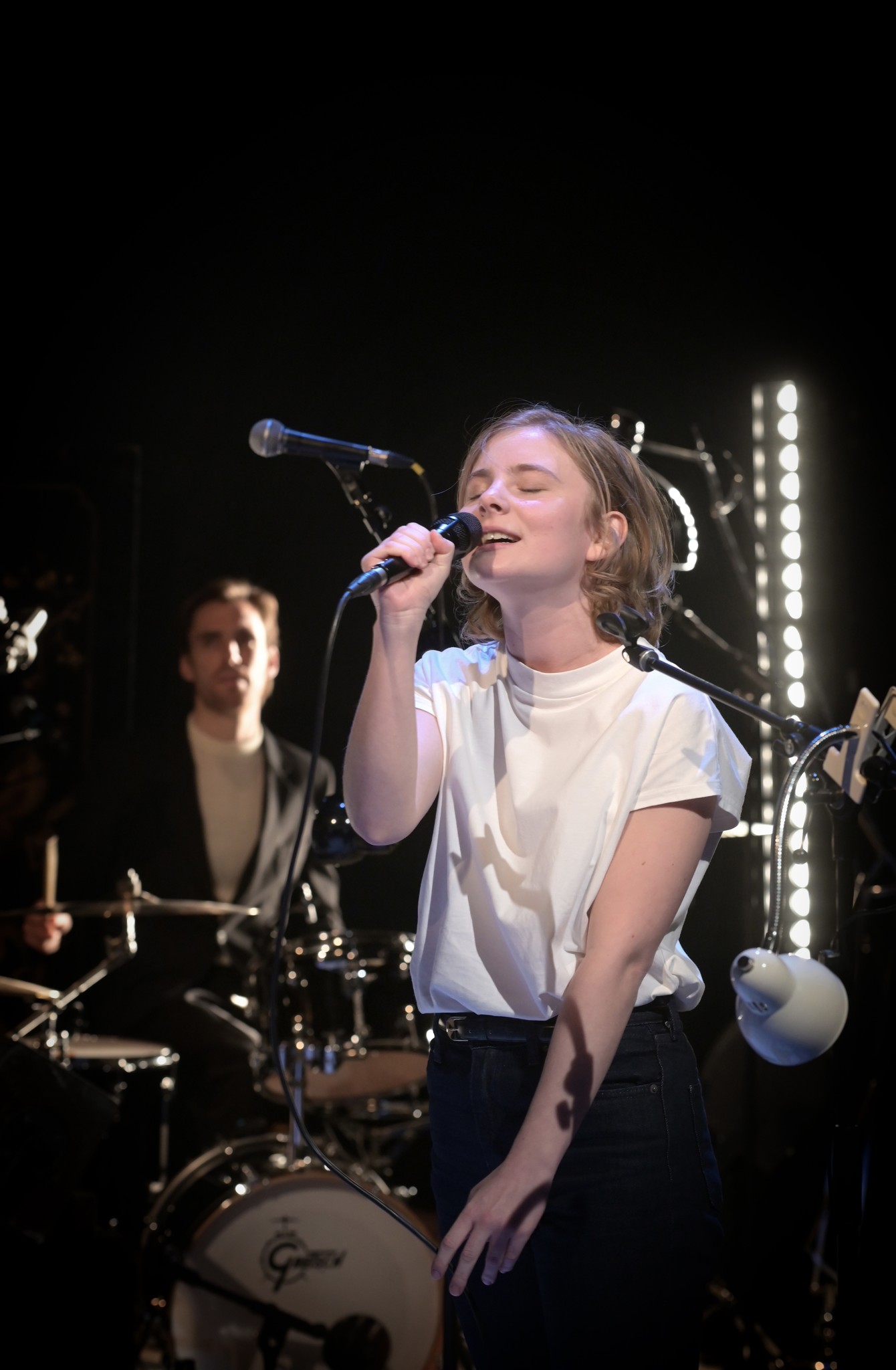
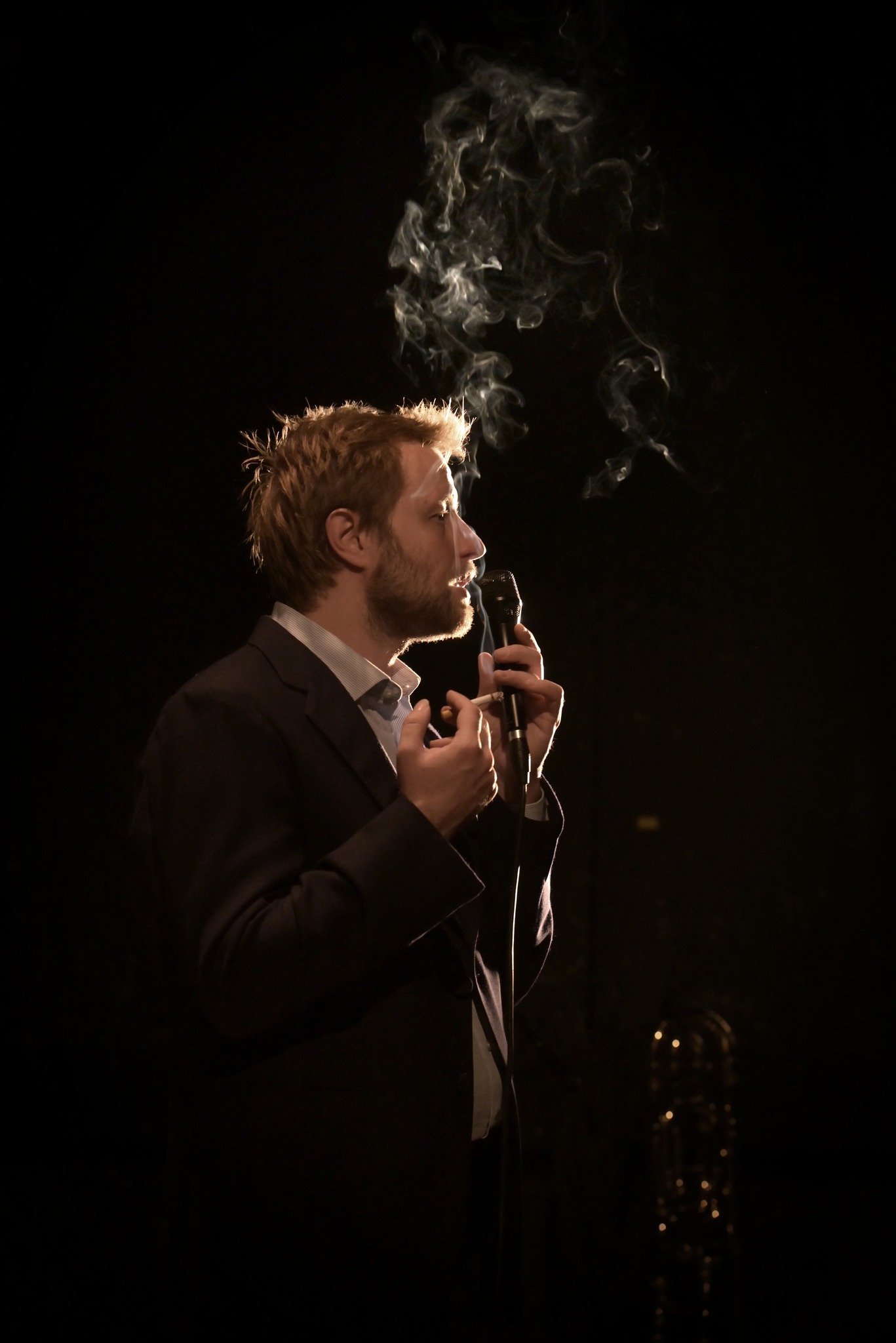
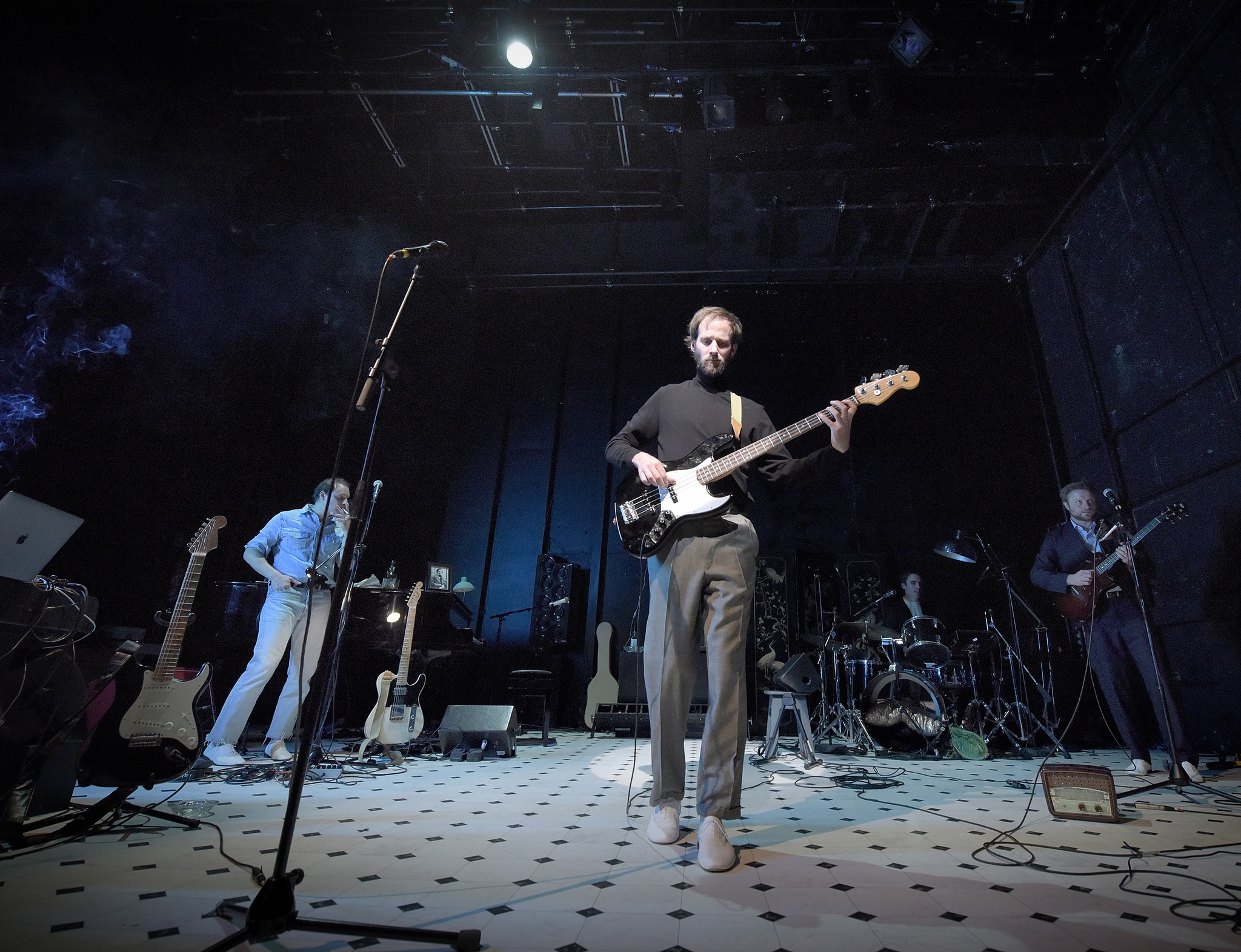
Boris Vian lui avait néanmoins permis d’admettre que, finalement, s’adonner à la chanson n’était peut-être pas si infamant. C’est à la recherche du bonhomme, pudique et éminent spécialiste du pas de côté, formé à l’école classique en musique comme en peinture, que se lançaient Stéphane Varupenne et Sébastien Pouderoux il y a maintenant six ans. Réunissant sur scène plusieurs de leurs camarades de la Troupe, également musiciens et chanteurs, ils interrogent l’entrée de chacun et chacune en «Gainsbourie ». Cinq hommes et une femme incarnent ici Serge. En filigrane toujours la présence de Jane Birkin qui, ayant vu le spectacle, disait ceci : « si vous n’avez pas la chance de l’avoir connu, allez-y parce que vous comprendrez le charme. » Alors que l’un comme l’autre sont aujourd’hui disparus, Les Serge (Gainsbourg point barre) prend le tour d’un vibrant hommage au créateur et à l’interprète de toutes ces
« virgules dans l’air ».Spectacle créé au Studio-Théâtre le 16 mai 2019
EN TOURNÉE
FRANCE
MARS > JUIL- Théâtre de Lorient - salle Marie Dorval / les 19, 20 et 21 mars à 20h
- TAP – Scène nationale de Grand Poitiers / le 28 mars à 20h30 et le 29 mars à 17h
- Théâtre national de Nice – La Cuisine / les 23, 24, 25 avril à 20h et le 26 avril à 15h
- Théâtre La Colonne – Miramas / le 6 mai à 20h
- Théâtre Théo Argence – Saint-Priest / le 17 mai à 20h
- Les Célestins, Théâtre de Lyon / du 21 au 31 mai à 20h, le 24 mai à 21h, jeudi à 19h30, dimanche à 16h (relâche le 26)
- Festival d'Anjou – Château du Plessis-Macé / les 9 et 10 juin à 21h30
- Théâtre de la Mer - Festival Quand je pense à Fernande - Sète / le 28 juin à 21h
- Châteauvallon, scène nationale à Ollioules dans le cadre du Festival d’été de Châteauvallon– amphithéâtre / le 1er juillet à 22h
- Eurockéennes de Belfort / le 6 juillet (lieu et horaire à confirmer)
- Citadelle de Besançon / le 8 juillet à 21h
- La Scala Provence – salle 600 – Avignon / du 15 au 27 juillet à 21h30 (relâche le 21)
CD, DVD, VINYLE
en vente à la boutiqueFAISANT FI DE L’INTERDICTION faite sous Louis XIV de jouer de la musique et de danser – ce privilège étant accordé à l’Opéra –, le Théâtre-Français ne cesse, depuis les comédies-ballets de Molière, de faire chanter sa Troupe dès que le Répertoire l’y invite, ne serait-ce qu’avec les couplets et chansons rythmant les pièces de Beaumarchais, Marivaux ou Musset. La Troupe compte en effet, dans son histoire, de nombreux comédiens formés initialement au chant et à la musique : Sallé (XVIIe siècle), Madame Thénard (XVIIIe siècle), Mademoiselle Paradol, Marthe Brandès (XIXe siècle), Paul-Émile Deiber (XXe siècle)… Depuis 2007, les comédiens ont interprété régulièrement des chansons pour des émissions radiophoniques musicales qui se sont prolongées, à partir de 2009, au Studio-Théâtre transformée en scène de cabaret mettant à l’honneur tantôt un répertoire thématique, tantôt d’illustres interprètes amoureux du verbe comme Georges Brassens, Barbara ou Boris Vian, que Serge Gainsbourg ne pouvait que rejoindre.
C’est en assistant à un concert de Vian dans les années 1950 que Serge Gainsbourg se dit qu’il peut « faire quelque chose dans cet art mineur ». Sa carrière embrasse ensuite, comme Barbara, l’art de l’interprétation et de la composition dans son acception la plus large, mêlant la musique au jeu. Plus qu’avec les « vraies » chanteuses, il aime travailler avec les actrices qu’il pousse vers des chemins auxquels elles ne sont pas habituées : « cela donnait une magie qui habillait bien son monde à lui », relève l’ancienne pensionnaire Isabelle Adjani. Réciproquement, dans sa riche carrière de compositeur de musiques de films, de scénariste mais aussi de réalisateur et de comédien, les acteurs ne cachent pas leur fierté d'être dirigés par ce « poète de la caméra » (Francis Huster) qui les connaît si bien. Dans les nombreux films qu'il tourne, il fréquente plusieurs Comédiens-Français comme Francis Huster (qu’il choisit d’abord pour post-synchroniser un acteur avant de le distribuer dans Équateur), Roland Bertin (après avoir tourné dans Je t’aime moi non plus, il est vu sur scène par Gainsbourg qui lui propose un rôle important dans Charlotte For Ever), Georges Descrières (Voulez-vous danser avec moi), Robert Hirsch (Toutes folles de lui), Louis Seigner (Le Pacha)…Jean-Louis Barrault, alors directeur du Théâtre de l’Odéon, souhaite en 1962 satisfaire le désir de Gainsbourg en lui donnant carte blanche pour écrire une comédie musicale, invitation qu’il doit décliner et refuser à nouveau quelques années plus tard, faute de temps.
> Vous êtes un poète, j’ai confiance en vous. Vous m’aiderez pour la mise en scène, si vous voulez de moi…
La beauté toujours inégalée aux yeux de Gainsbourg, même dix ans après l'avoir vue, de la pièce The Connection de Jack Gelber interprétée par le Living Theatre avec le saxophoniste Jackie McLean (1962), lui inspire peu après ses chansons Black Trombone et Coco and Co.
Cette saison au Studio-Théâtre, c’est au tour de ses chansons d’inspirer la scène théâtrale.- Visuel : les musiciens dans Le Bourgeois gentilhomme de Molière, mise en scène de Jean-Louis Barrault, 1973 – photo. Claude Angelini, coll. CF
-
Adaptation et mise en scène : Stéphane Varupenne et Sébastien Pouderoux
Costumes : Magdaléna Calloc’h
Lumières : Éric Dumas
Arrangements musicaux : Guillaume Bachelé, Martin Leterme, Vincent Leterme et les Serge
Son : Théo Jonval
Documents
-
 Télécharger le PDF (2.47 MB)
Programme Les Serges
Programme des Serge (Gainsbourg point barre).
Mise en scène Stéphane Varupenne et Sébastien Pouderoux, Studio-Théâtre (Saison 2024/2025)