Sylvia
Bergé
le 1st December 1988

Sylvia Bergé grew up in a family of actors. Following her university studies in Russian and Japanese, she dedicated herself to the theater. She trained at the Cours Florent before enrolling in the Conservatoire national supérieur d’art dramatique. Jean-Louis Barrault cast her in Victor Hugo’s Angelo, Tyrant of Padua (Angelo, tyran de Padoue) and Philippe Adrien directed her in La Méprise by Marivaux.
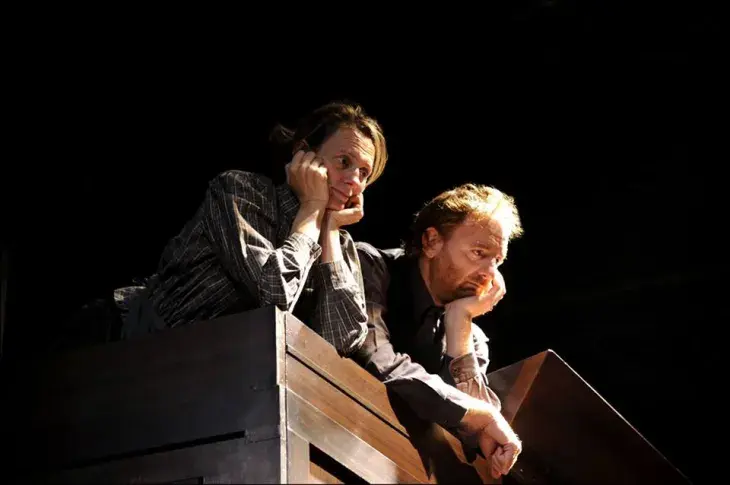
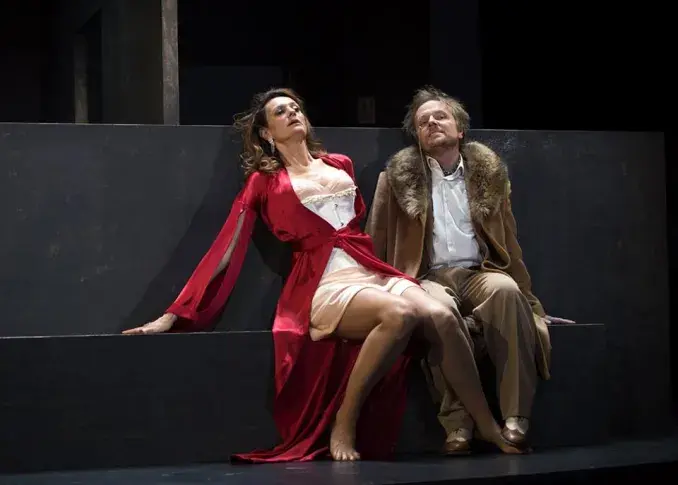
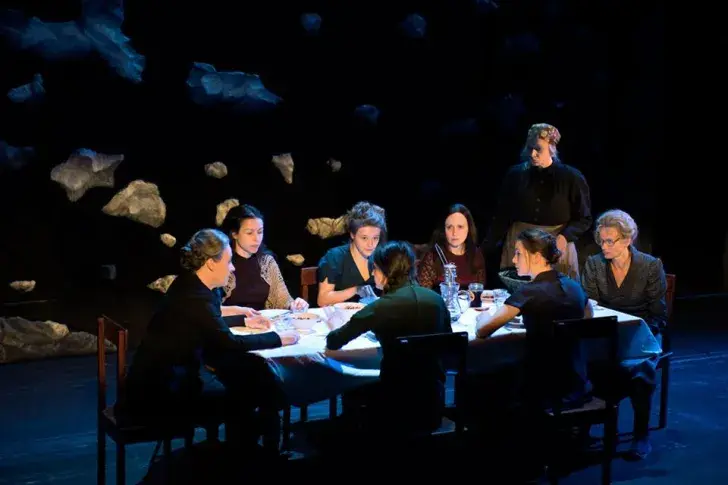
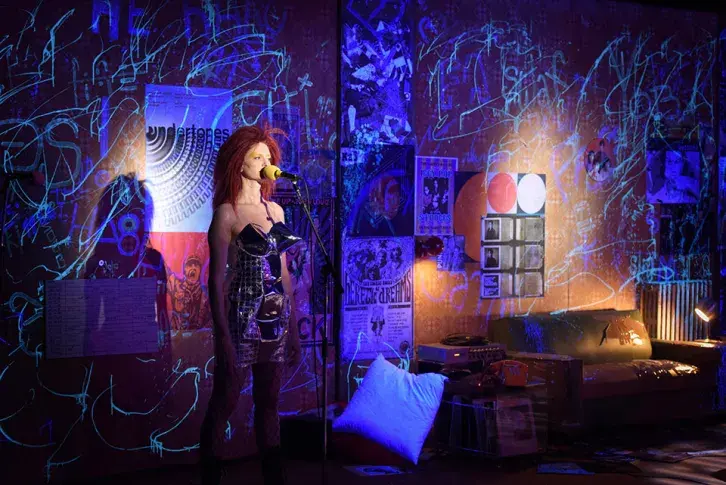
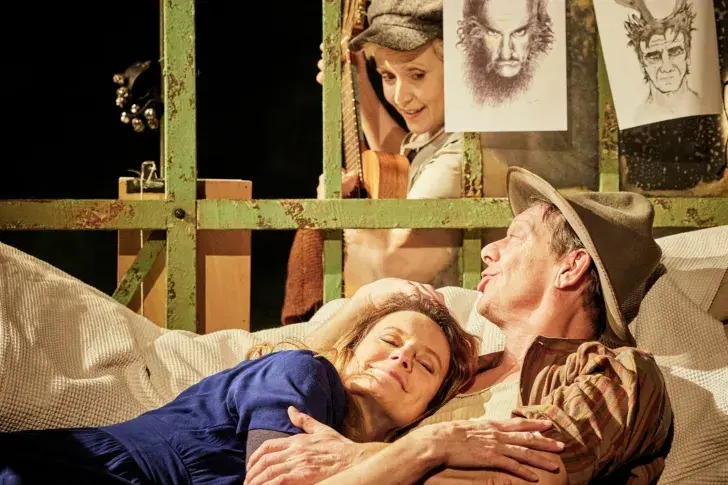
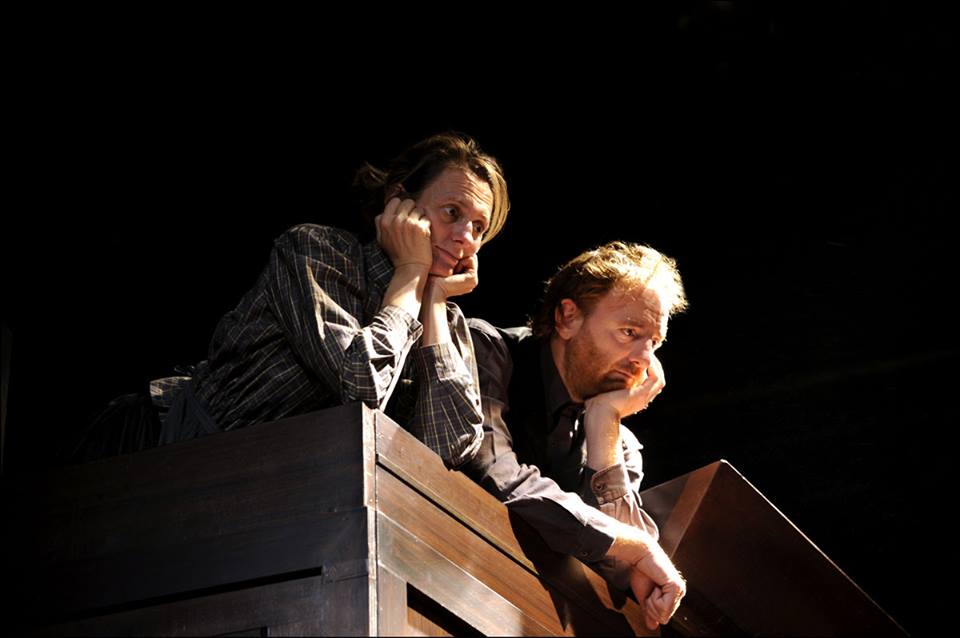
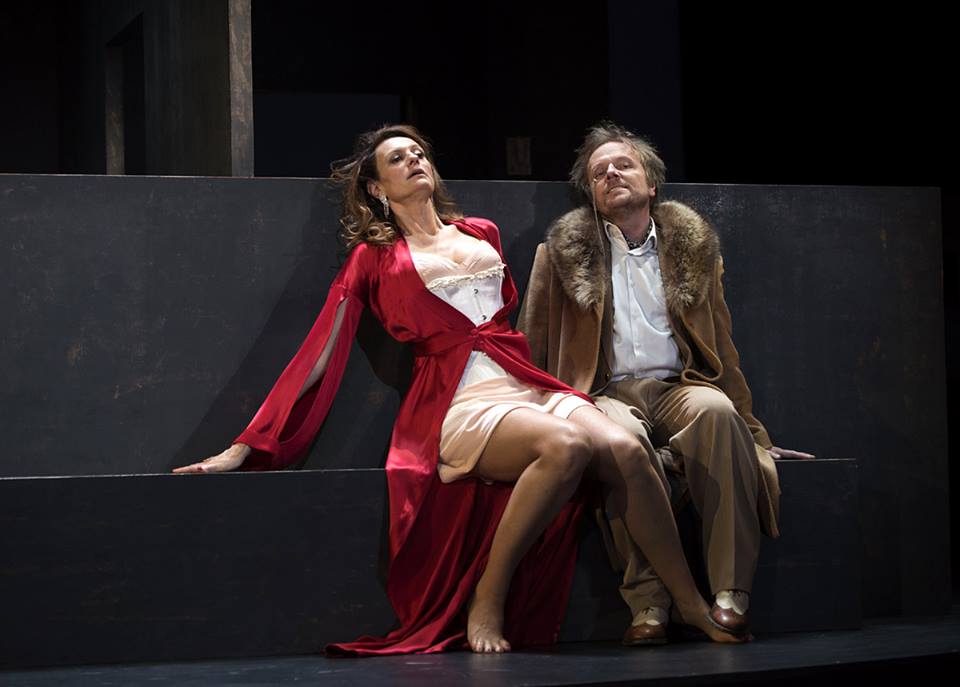
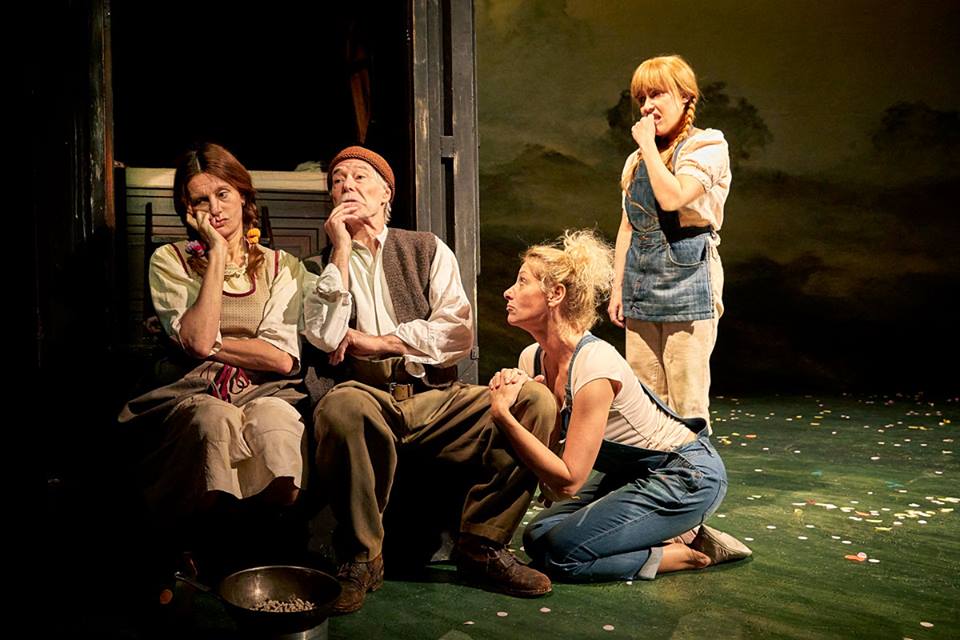
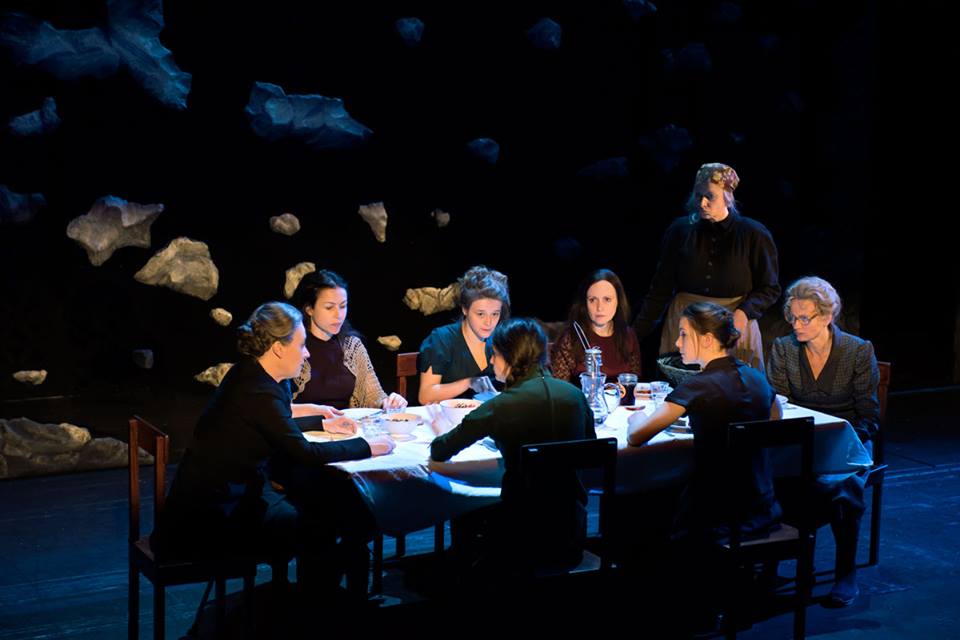
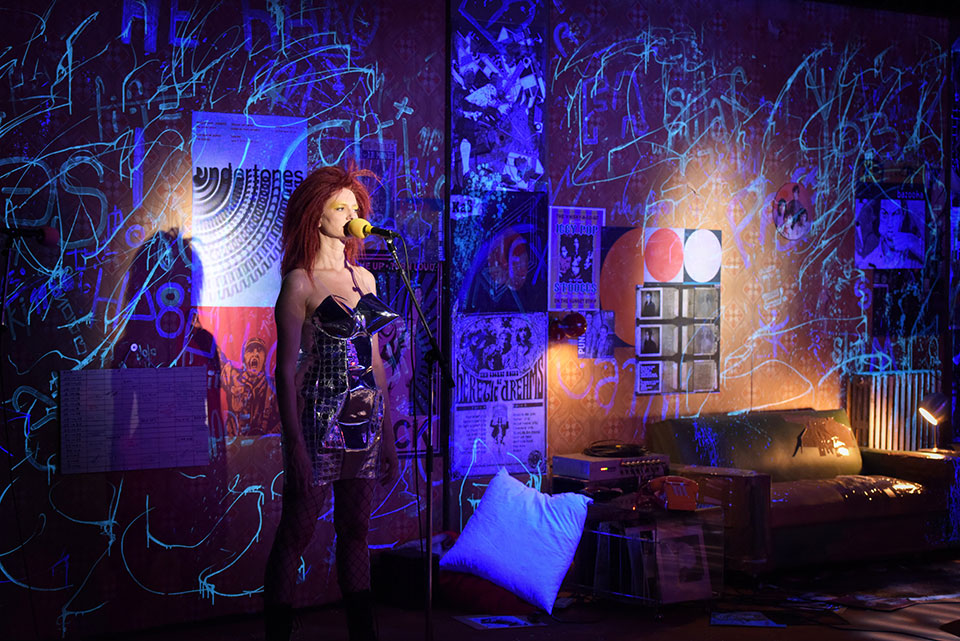
She joined the Comédie-Française on the 1st of December 1988, and was appointed the 496th sociétaire on the 1st of January 1998. Being equally at ease in both classical and contemporary roles, she was chosen by many renowned directors such as Jacques Lasalle who directed her first in 1990, in Michel Vinaver’s L’Émission de télévision, and then in 1993 in Nathalie Sarraute's Le Silence and again, in 2009, in Figaro gets a Divorce by Ödön von Horváth. Jean-Louis Benoit cast her in Pirandello’s The Vise and later in Gogol’s The Government Inspector; Yannis Kokkos in Racine’s Iphigénie; and André Wilms in Euripides’ The Bacchae. In 2004, she played in Robert Wilson’s adaptation of La Fontaine’s Fables. Michel Vinaver offered her the role of Bess in his play L’Ordinaire, Lilo Baur the role of Prudencia in The House of Bernarda Alba by Federico García Lorca, Sulayman Al-Bassam the role of Warda in Rituals of Signs and Transformations by Saadallah Wannous and Gérard Desarthe the role of Varvara in Gorky’s Summerfolk. In 2016, Anne Kessler directed her in La Ronde by Schnitzler and Ivo van Hove in his adaptation of The Damned after a screenplay by Visconti. In 2018, she reunited with David Lescot for Les Ondes magnétiques, having already worked with him on The Last Days of Manking by Karl Kraus.
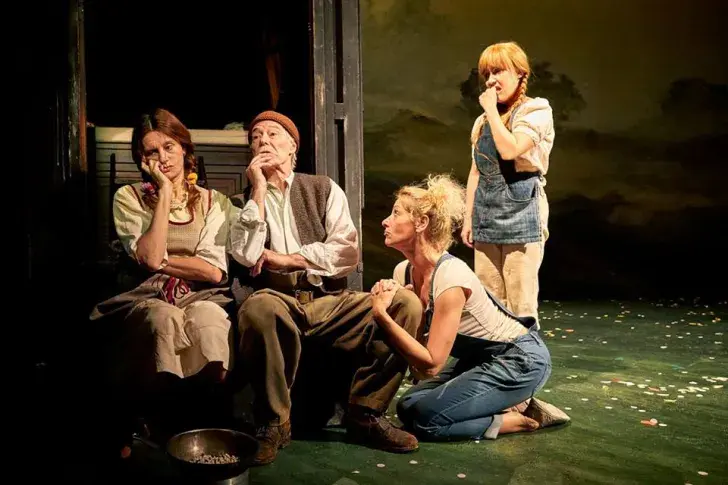
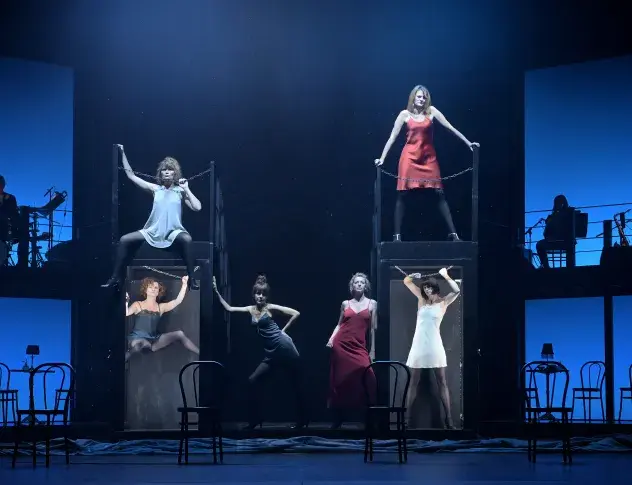
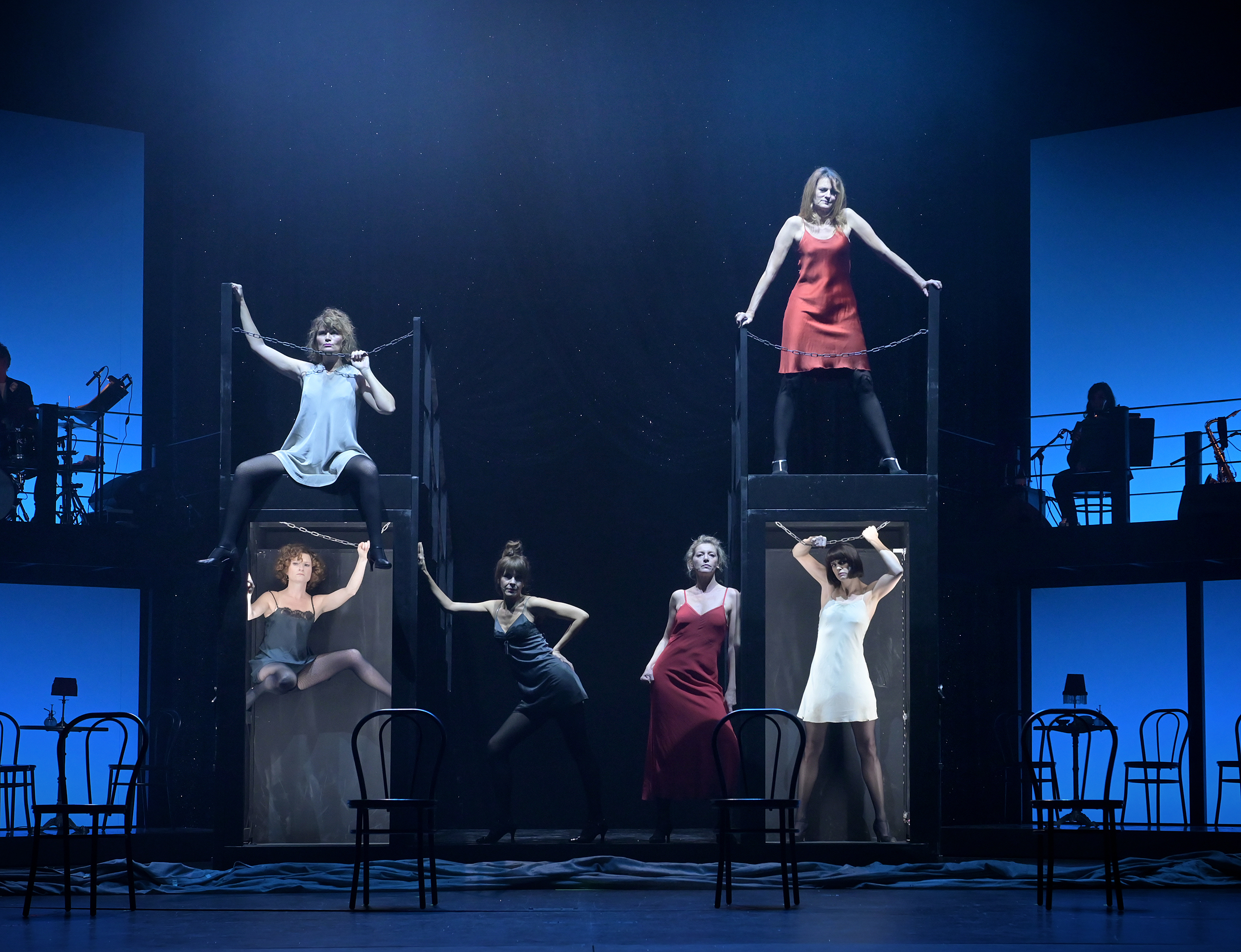
In 2009, Sylvia Bergé interpreted Le Testament de Vanda, a monologue written for her by Jean-Pierre Siméon. While touring with this monodrama, she won the Interpretation Award at the International Theater Festival Actor of Europe in Macedonia and in Vratsa in Bulgaria. Her natural propensity for singing and her vocal art training have made her ideal for roles which combine singing and acting. Daniel Mesguich entrusted her with the role of Metella in La Vie parisienne by Offenbach, Lukas Hemleb with the role of Régina Morti in Une visite inopportune by Copi, and Laurent Pelly with that of Jenny-la-Bordelière in The Threepenny Opera by Brecht. Véronique Vella offered her the role of Vénus in Molière’s Psyché as well as that of Mother in Le Loup and later in Le Cerf et le Chien, two plays adapted from Marcel Aymé’s Les Contes du chat perché. Sylvia Bergé conceived, interpreted and directed Le Cabaret des mers and Quatre femmes et un piano, and has played in Chansons déconseillées, Cabaret Barbara and Cabaret Brassens.
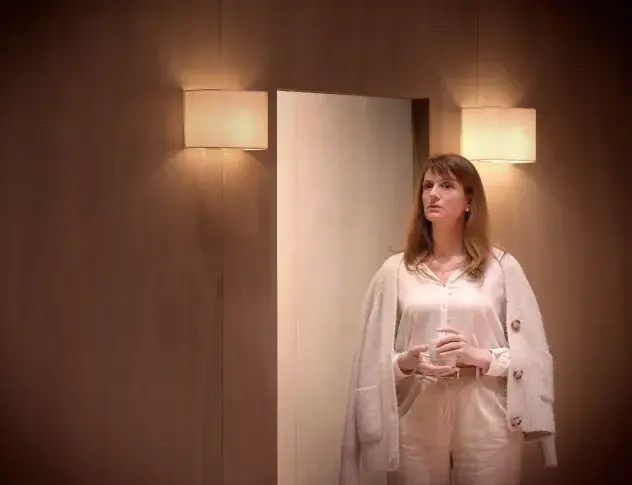
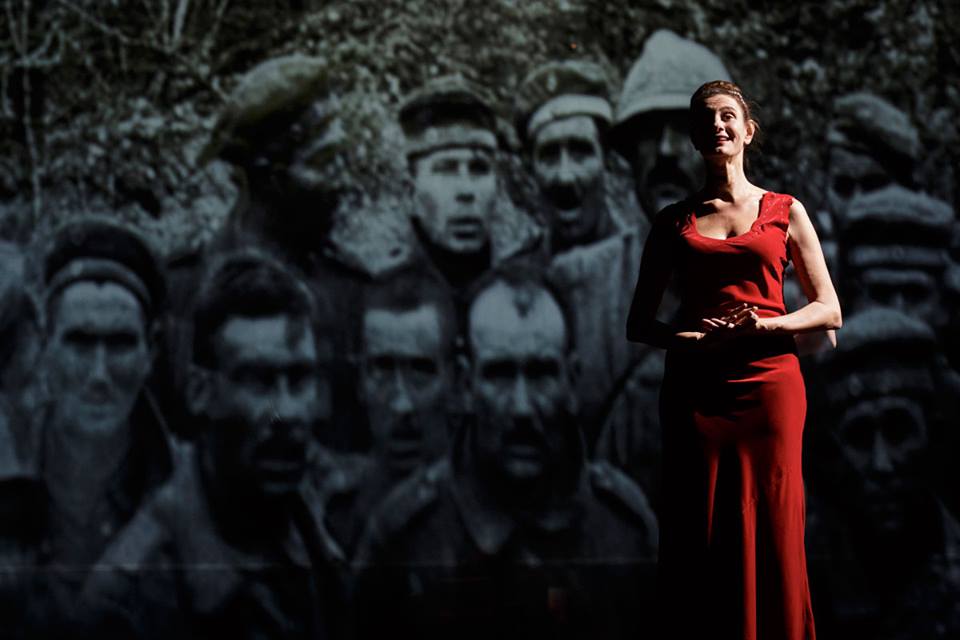
Outside the Comédie-Française, Sylvia Bergé has played Sister Ursula in Le Domino noir, an opera by Auber directed by Christian Hecq and Valérie Lesort. She recited Honegger’s King David at the Edinburgh Festival, Stravinsky’s Persephone at the Oslo Opera and Stravinsky’s Soldier’s Tale at the Salle Pleyel. In 2018, Christian Schiaretti directed her in Cocteau’s The Human Voice (La Voix humaine) at the Atelier lyrique in Tourcoing and later at the Théâtre National Populaire.
For her role in Dominique Cabrera’s television film Ça ne peut pas continuer comme ça, Sylvia Bergé won the Gilda Award at the Florence Festival Internazionale Cinema e Donne. In 2014, she played in the television series Spiral (Engrenages) and in Dan Uzan’s feature film Nous nous marierons in 2017.
Sylvia Bergé is Knight of the Order of Arts and Letters (chevalier dans l’ordre des Arts et Lettres).
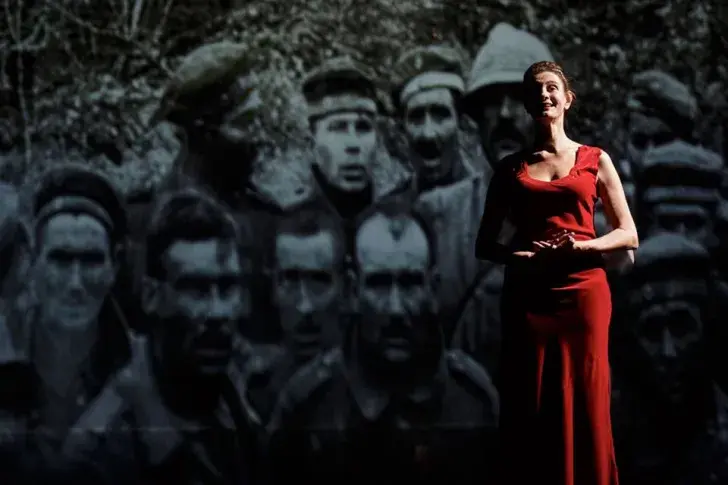
During the 2018/2019 season, Sylvia Bergé will be playing in Les Oubliés (Alger-Paris) written and directed by Julie Bertin and Jade Herbulot – Le Birgit Ensemble, Euripides’ Électre / Oreste by Ivo van Hove and in the rerun of Visconti’s The Damned by Ivo van Hove. Her Grenier des acteurs is dedicated to Virginia Woolf.