Florence
Viala
le 1st September 1994

Joined the Comédie-Française on the 1st of September 1994. Became the 503rd sociétaire on the 1st of January 2000
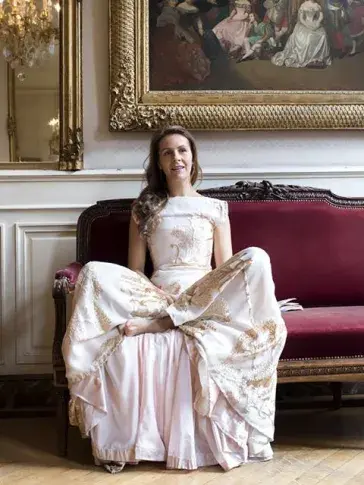
As a child Florence Viala went on tour with her actor father. Following her studies at the Dijon École nationale supérieure d’art, Solange Oswald, a teacher at the Centre dramatique national de Bourgogne introduced her to the Lecoq theater method. In Paris, she trained at the Conservatoire national supérieur d’art dramatique in classes taught by Catherine Hiegel and Daniel Mesguich.
She joined the Comédie-Française as a pensionnaire on the 1st of September 1994, and made her debut by interpreting the title role in Feydeau’s Occupe-toi d’Amélie directed by Roger Planchon. On the 1st of January 2000, she was appointed the 503rd sociétaire of the Company.
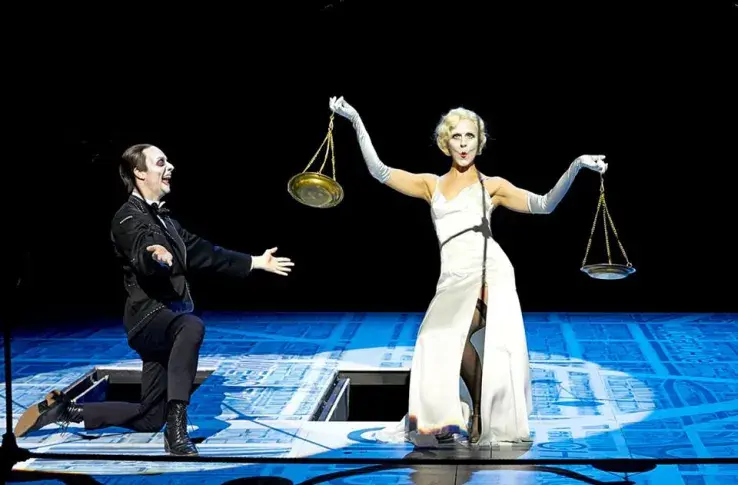
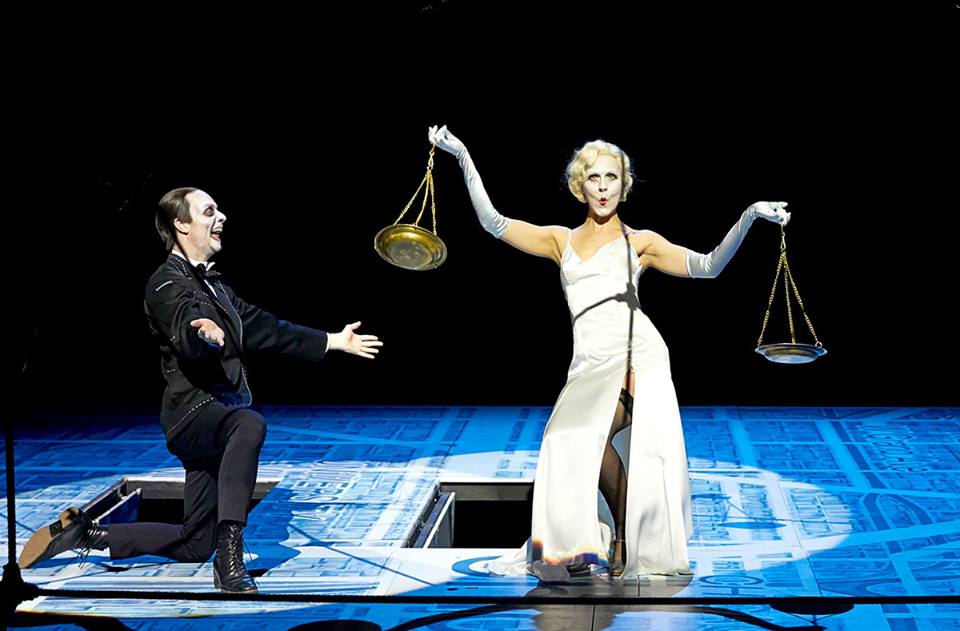
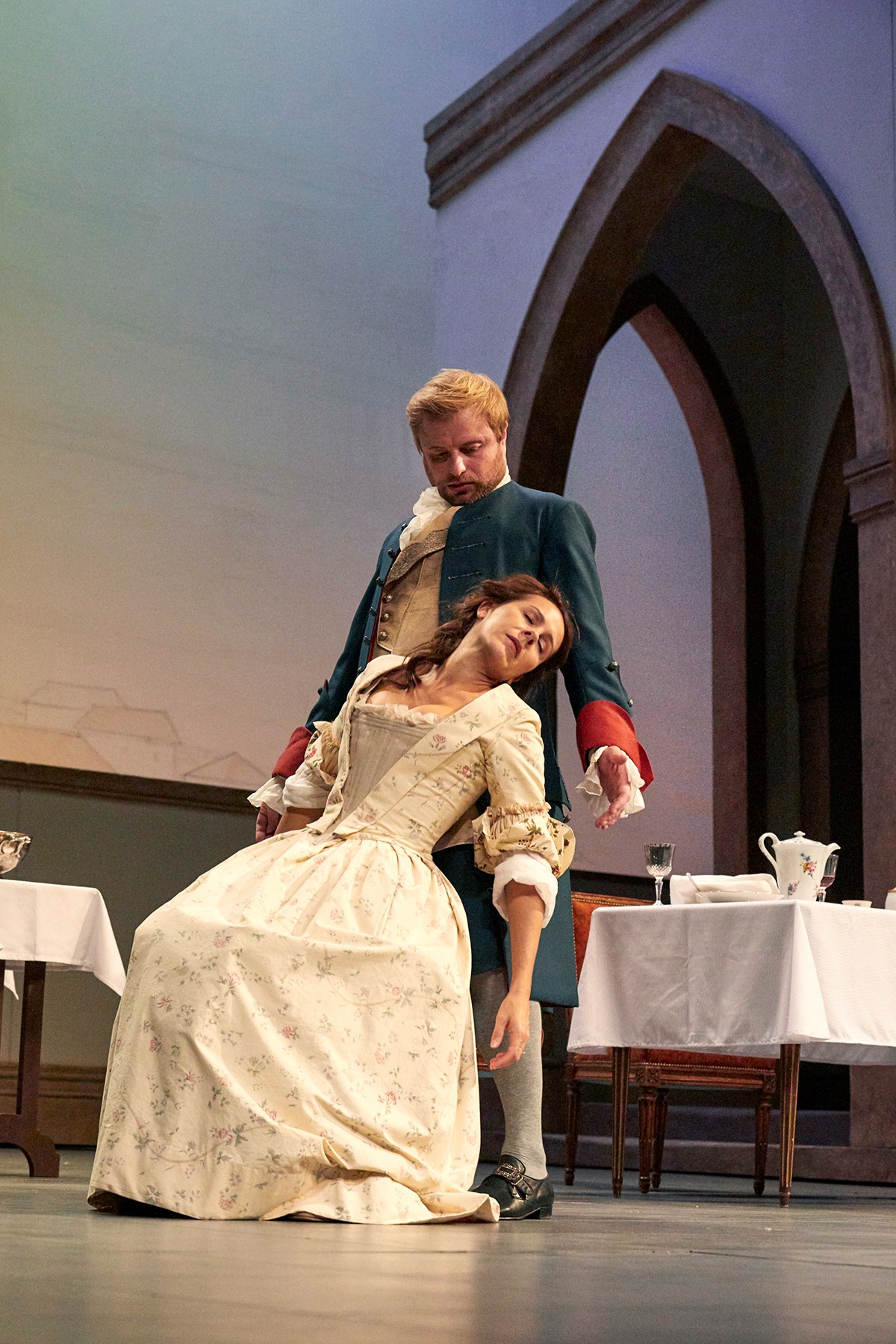
Florence Viala’s encounters with both male and female directors and authors have all contributed to the perfection of her actor’s abilities. In 1996, Jean-Paul Roussillon entrusted her with the role of Cyprienne in Victor Hugo’s Mille francs de récompense, while Muriel Mayette-Holtz directed her in Corneille’s Clitandre. Jean-Pierre Miquel first directed her in Louis Calaferte’s Les Derniers Devoirs and then in Marivaux’s Les Fausses Confidences. Robert Wilson cast her in Fables by La Fontaine. Jacques Lassalle offered her the role of Suzanne in Ödön von Horváth’s Figaro Gets a Divorce and the role of Charlotte in Molière’s Dom Juan and the Feast with the Statue (Dom Juan ou le festin de pierre). Alain Françon directed her in two plays by Chekhov, The Cherry Orchard followed by The Three Sisters, as well as in The Villegiatura Trilogy and La Locandiera, both by Goldoni. In 2002, Anatoli Vassiliev cast her as Alcmène in Molière’s Amphitryon and, in 2016, as Elle in Marguerite Duras’ La Musica, La Musica deuxième. Florence Viala appeared in two plays by Marcel Aymé, Le Loup et La Tête des autres, staged by Véronique Vella and Lilo Baur respectively. Lilo Baur offered her the role of Maria Josefa in The House of Bernarda Alba by Federico García Lorca. In 2016, Julie Deliquet directed her in Vania after Chekhov’s Uncle Vanya the following year. She played in Katharina Thalbach’s staging of Brecht’s The Resistible Rise of Arturo Ui.
Zerbinette in Scapin the Schemer (Les Fourberies de Scapin) directed by Jean-Louis Benoit in 1997, marked the beginning of Florence Viala’s long relationship with Molière’s comedies. She played Dorimène in Le Mariage forcé by Andrzej Seweryn; Élise in The Miser (L’Avare) by Andrei Serban; Elmire in Tartuffe by Marcel Bozonnet. In 2008, she interpreted Arsinoé in Le Misanthrope by Lukas Hemleb, a character she played once more in 2014 in Clément Hervieu-Léger new staging. In 2016, Hervieu-Léger offered her the role of Dorimène in Marivaux’s Le Petit-Maître corrigé. She was nominated for the Molière Award for Best Actress in a Supporting Role for this performance. From Marivaux’s opus, Florence Viala had already played Marton in Les Fausses Confidences by Jean-Pierre Miquel in 1996, and Flaminia in La Double Inconstance by Anne Kessler in 2014. Recognizing her ability to champion Feydeau’s type of vaudeville, as that was the first author she performed on her arrival at the Comédie-Française, Lukas Hemleb cast her as Lucienne in Le Dindon, Jérôme Deschamps as Lucette in Un fil à la patte and Isabelle Nanty as Marcelle in The Free Exchange Hotel (L’Hôtel du Libre-Échange). Florence Viala has also interpreted contemporary authors. She played in Rainer Maria Rilke’s Everyday Life by Philippe Macaigne, in Xavier Durringer’s La Nuit à l'envers by Christophe Lidon, and in L’Ordinaire written and directed by Michel Vinaver. Due to her singing talents, she was cast in Chansons des jours avec et chansons des jours sans and Nos plus belles chansons by Philippe Meyer, and to the Cabaret Boris Vian directed by Serge Bagdassarian. She collaborated with Éric Ruf on Ibsen’s Peer Gynt, with Denis Podalydès on Musset’s Fantasio and Rostand’s Cyrano de Bergerac, and with André Wilms on The Bacchae by Euripides.
Outside the Company, Florence Viala has worked with numerous directors, such as Dominique Pitoiset on Dernières nouvelles de la peste by Bernard Chartreux; Jean Maisonnave on La Mort de Danton by Georg Büchner; Philippe Macaigne on Madame de Sade by Mishima and Le Prince travesti by Marivaux; Jean-Pierre Miquel on Femmes parallèles by François Billetdoux; and Daniel Mesguich on L’Histoire (qu’on ne connaîtra jamais) by Hélène Cixous.
She has worked on television series and films including Chekhov’s The Three Sisters by Valeria Bruni Tedeschi and Meurtre en trois actes by Claude Mouriéras, and appeared in the following feature films: La Cité de la peur by Alain Berberian, Passage à l’acte by Francis Girod, Lautrec by Roger Planchon, Musée Haut, Musée Bas by Jean-Michel Ribes, Encore heureux by Benoît Graffin and Maryline by Guillaume Gallienne.
Florence Viala is Knight of the National Order of Merit (chevalier dans l’ordre national du Mérite) and Knight of the Order of Arts and Letters (chevalier dans l’ordre des Arts et des Lettres).
During the 2018/2019 season, she plays in Carlo Goldoni’s La Locandiera directed by Alain Françon, Fanny and Alexandre after Bergman directed by Julie Deliquet, Leila Slimani’s Chanson douce directed by Pauline Bayle. She will also appear in the rerun of Feydeau’s Free Exchange Hotel (L’Hôtel du Libre-Échange) directed by Isabelle Nanty and Molière’s Misanthrope by Clément Hervieu-Léger.
Saison2025 -026
Découvrez les 31 saisons de Florence Viala passées à la Comédie-Française
Cette saison
directed by Clément Hervieu-Léger
directed by Clément Hervieu-Léger
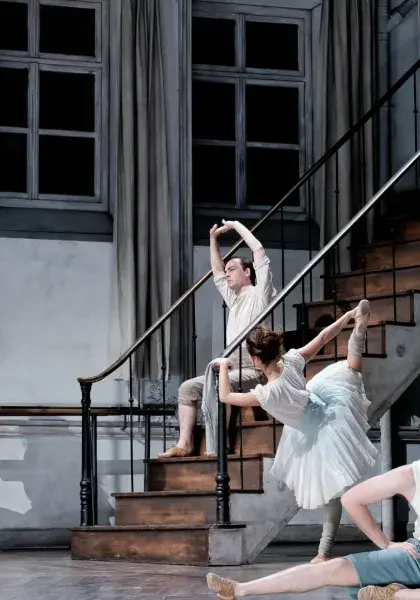
directed by Ivo Van Hove
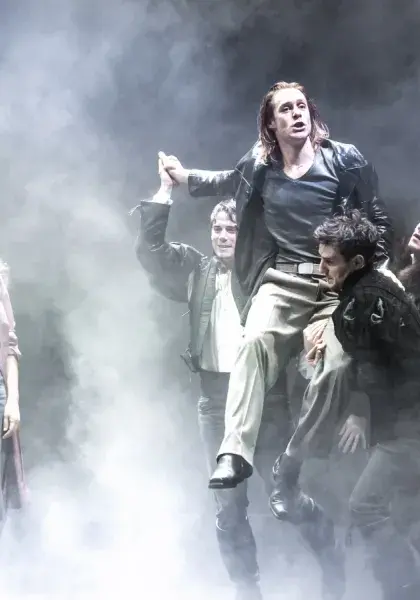
directed by Florent Siaud
Saisonpassées
-
-
after Nicolaï Erdman
directed by Stéphane Varupenne -
by Paul Claudel
staged and directed by Éric Ruf -
by Anton Tchekhov
directed by Clément Hervieu-Léger
translated by André Markowicz and Françoise Morvan -
by Paul Claudel
staged and directed by Éric Ruf
-
-
-
Written and directed by Christophe Montenez and Jules Sagot
-
by Marcel Aymé
Directed by Raphaëlle Saudinos and Véronique Vella -
by Molière
Directed by Clément Hervieu-Léger -
PARADOXE(S)
The motto, Simul et singulis, instantly places them at the heart of a paradox: being together and being oneself, at one time, in one place, within one entity. -
after Molière
Directed by Julie Deliquet -
Created and directed by Serge Bagdassarian and Marina Hands
-
-
-
after Molière
Directed by Julie Deliquet -
by Anton Tchekhov
Directed by Clément Hervieu-Léger -
by Marcel Proust
Adapted and directed by Christophe Honoré -
by Tony Kushner
directed by Arnaud Desplechin -
by Marcel Aymé
directed by Raphaëlle Saudinos et Véronique Vella -
by Marivaux
Directed by Clément Hervieu-Léger
-
-
-
Spectacle musical conçu et mis en scène par Serge Bagdassarian et Marina Hands
-
d'Ingmar Bergman
Mise en scène Julie Deliquet -
d'Anton Tchekhov
Mise en scène Clément Hervieu-Léger -
by Molière
Directed by Clément Hervieu-Léger -
after Molière
Directed by Julie Deliquet
-