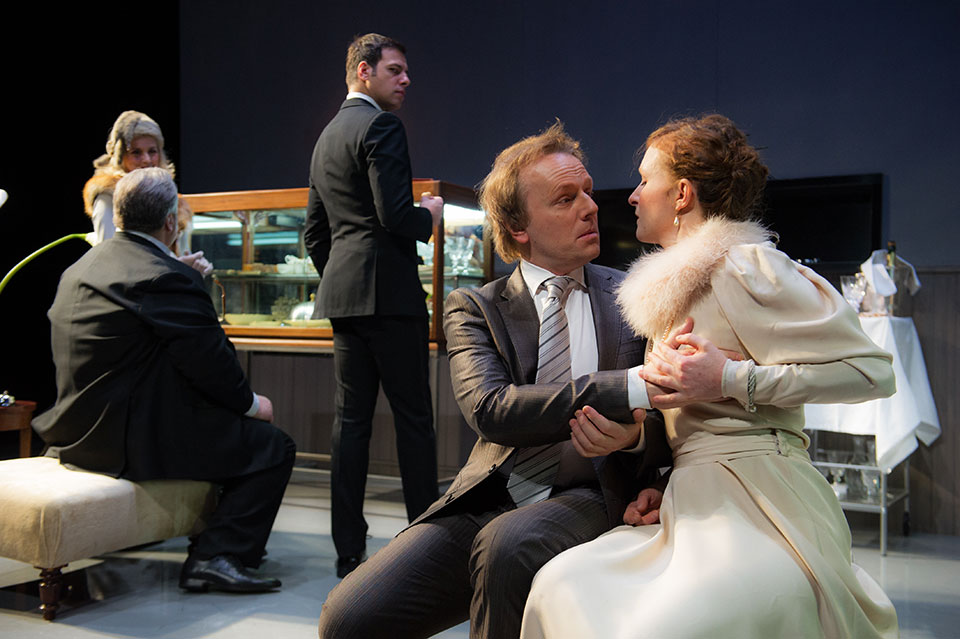
Candide
by Voltaire
Directed by Emmanuel Daumas
Studio
17 January 3 March 2013
Studio
Candide
2013-01-17 00:00:00 2013-03-03 00:00:00
All is for the best in the best of possible worlds, at the castle of Thunder-ten-tronckh.
Candide, a simple young man of illegitimate birth, pines for Miss Cunegonde, the baron’s daughter, and devotedly absorbs the teachings of the philosopher Pangloss. The caresses two young people exchange upset this miraculous balance. Candide is expelled from the castle with a great kick to the behind, like Adam banished from his earthly paradise. There follows a series of disasters, however the protagonists refuse to renounce their manic optimism. Against the backdrop of an adventure story, Voltaire draws up an inventory of human suffering in its most atrocious details. The characters, separated by the force of events, are reunited at the end after countless twists and turns.
Voltaire, the author
Published anonymously in 1759, the tale unanimously attributed to Voltaire (1694-1778) made the rounds of European capitals. Mischievous insolence, irony and sarcasm run through this text denouncing Leibnizian optimism that has become no more than fatalism. In exile in Geneva at the time of the publication of the book, Voltaire, a playwright and philosopher who had already been imprisoned, was a powerless witness to the banning of Diderot and d’Alembert’s Encyclopaedia project. The publication of Candide or Optimism was clearly a way for him to continue propagating the ideas of the Enlightenment. The story, which is full of allusions to political, philosophical and literary events of the day, generated passionate interest among the elite of Europe’s men and women of letters. As an innocent’s initiatory journey into barbarity, the path followed by Candide is similar to the one taken by Voltaire himself.
Emmanuel Daumas, the director
A graduate of ENSATT, the actor and director Emmanuel Daumas staged Marguerite Duras’ The Summer Rain at the Théâtre du Vieux Colombier in 2011. In adapting Candide for the stage, he seeks to reconnect with the unbridled spirit of the 18th century, zany and funny all at once, through a work he sees as having common points with the theatre of Chekhov and the cinema of Buñuel. In his stagings of Cornelius Castoriadis’s The Rise of Insignificance, Thomas Bernhard’s The Ignoramus and the Madman, Copi’s La Tour de la Défense, Edward Bond’s The Children and Jean Genet’s The Blacks, Emmanuel Daumas has already explored the themes of work, amusement and exhaustion in their philosophical dimensions, as well as that of the self-destructive nature of human destiny in a world without God. In his view, Pangloss’s philosophy culminates in the praise of work: “We must cultivate our garden.”
Duration
1:15
Venue

Creative team
Adaptation and direction: Emmanuel Daumas
Scenography and costumes: Katrijn Baeten et Saskia Louwaard
Lights: Bruno Marsol
Distribution
the company
-

Claude
See biography
Mathieu -

Laurent
See biography
Stocker -
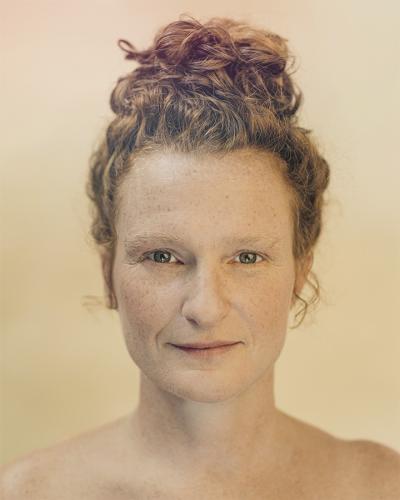
Julie
See biography
Sicard -
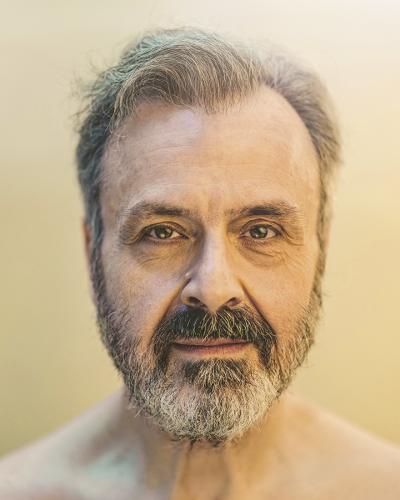
Serge
See biography
Bagdassarian -

Laurent
Lafitte
Gallery
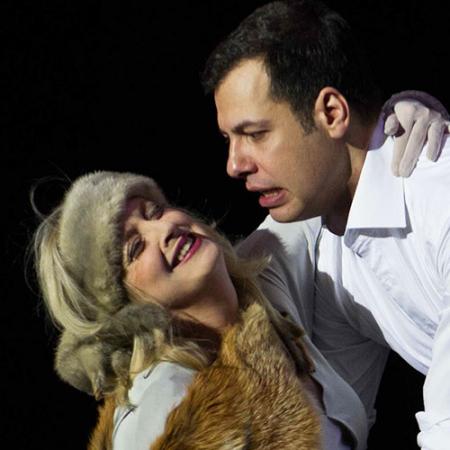
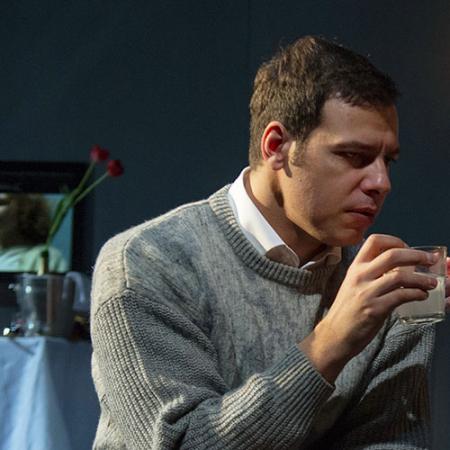
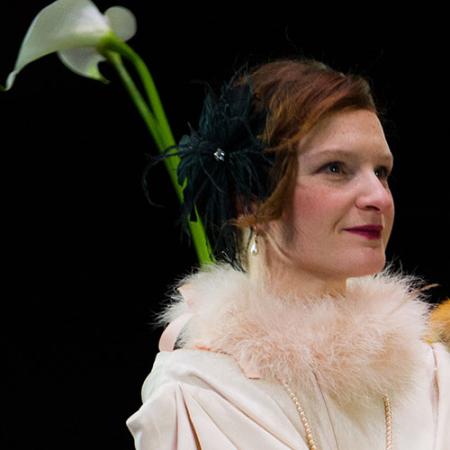
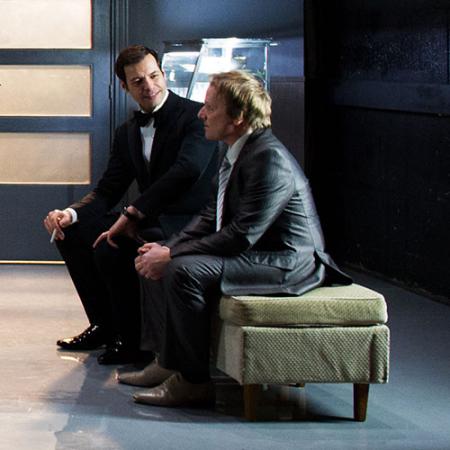
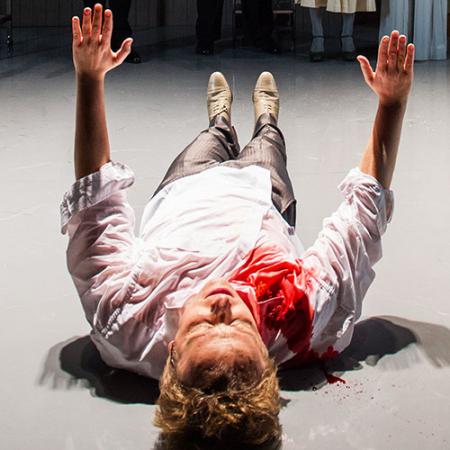
Candide 12/13
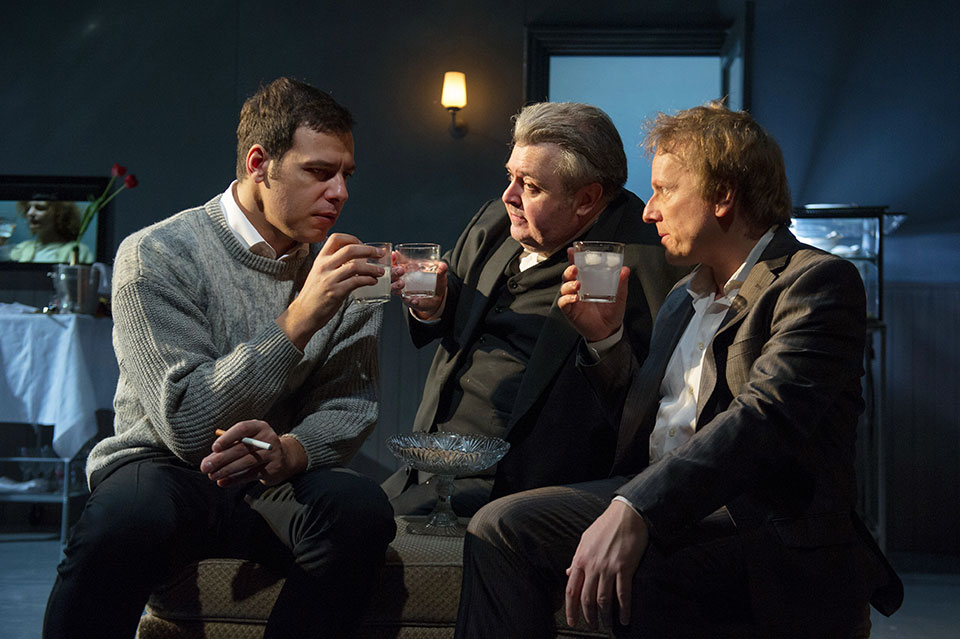
Laurent Lafitte, Serge Bagdassarian, Laurent Stocker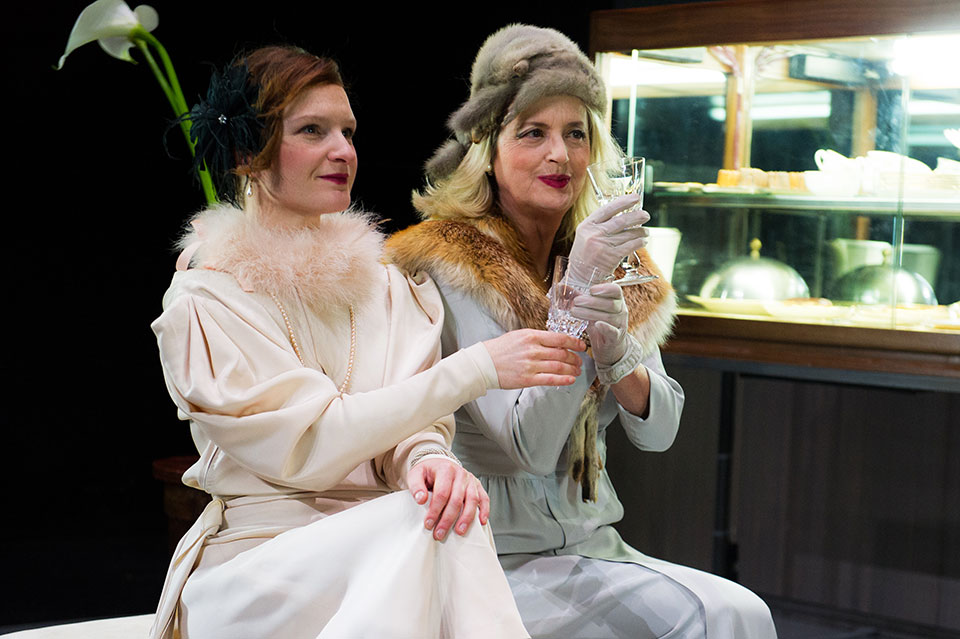
Candide 12/13
Julie Sicard, Claude Mathieu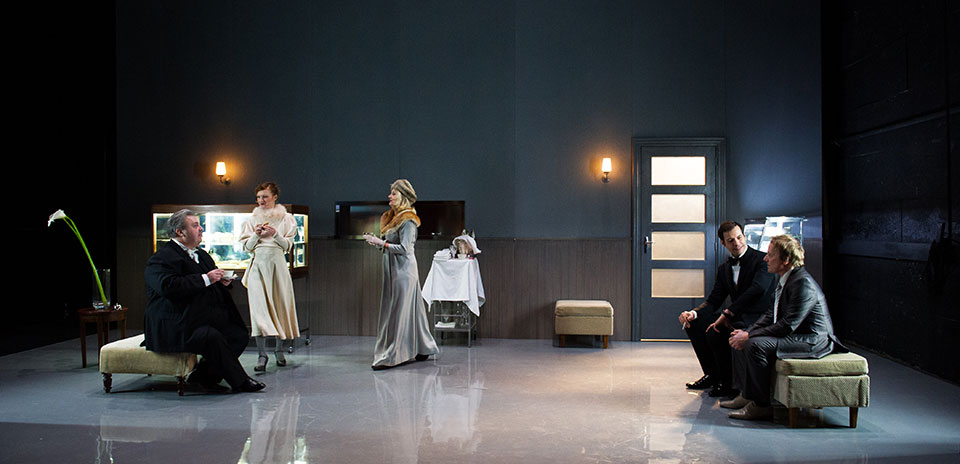
Candide 12/13
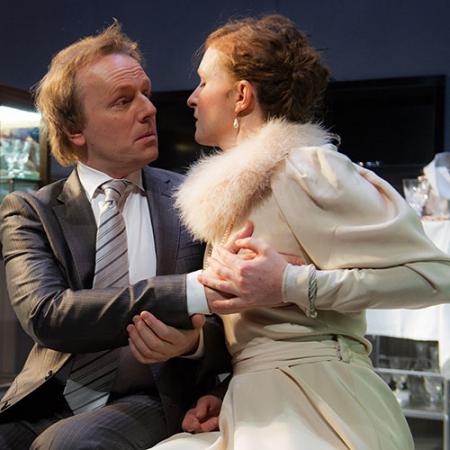
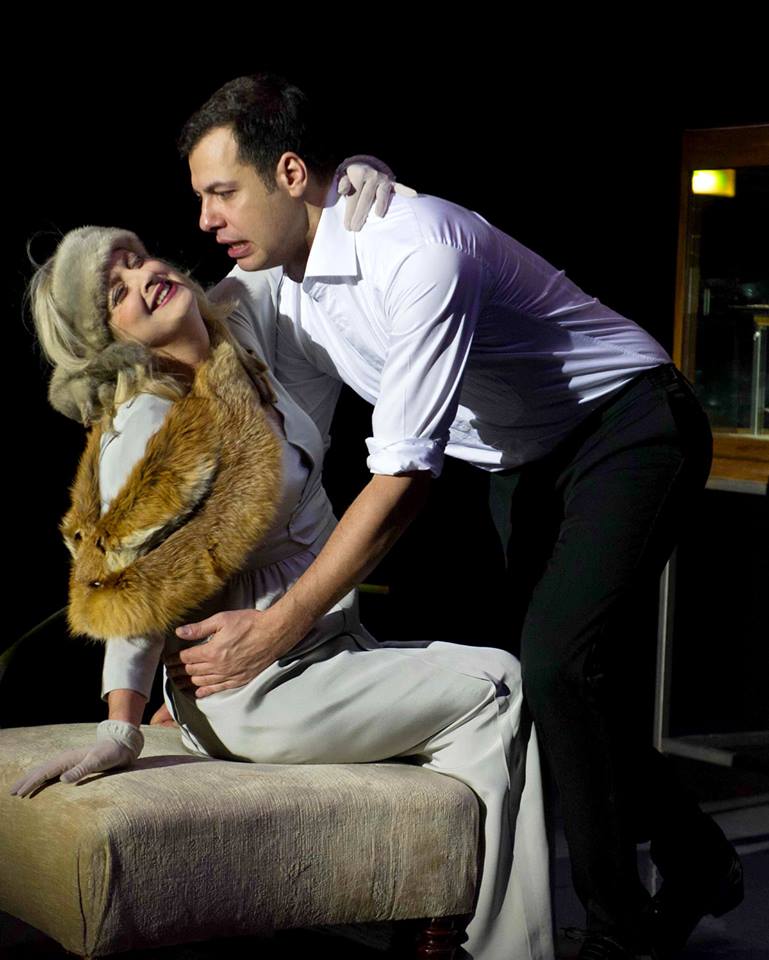
Serge Bagdassarian, Julie Sicard, Claude Mathieu, Laurent Lafitte, Laurent Stocker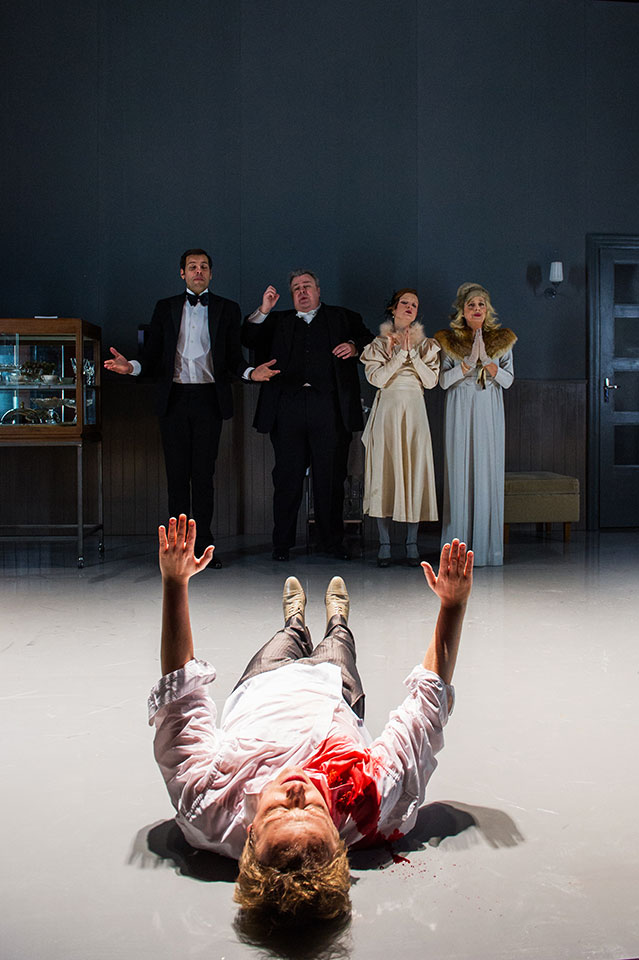
Candide 12/13
Laurent Lafitte, Serge Bagdassarian, Julie Sicard, Claude Mathieu, Laurent Stocker