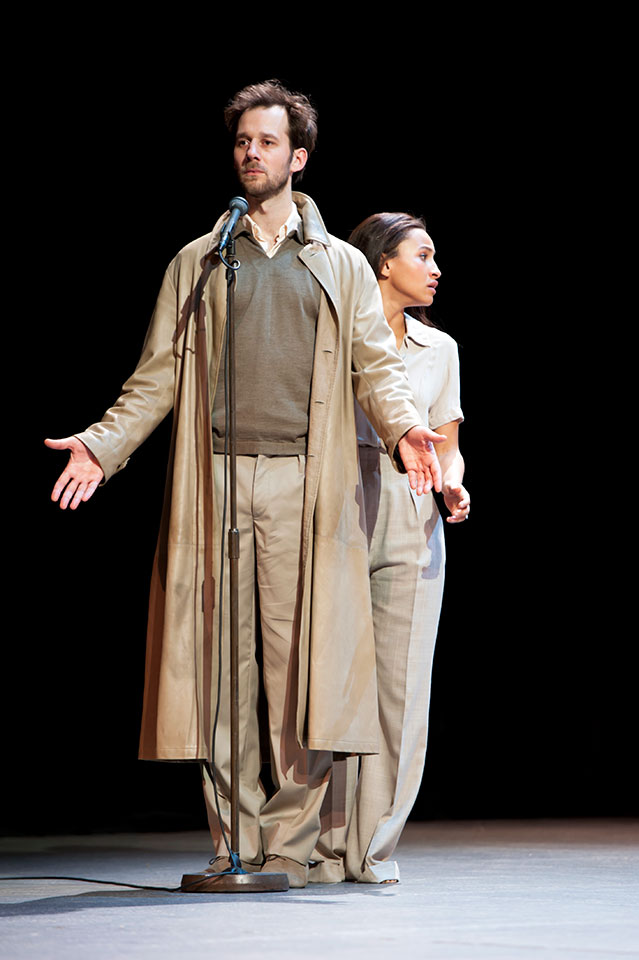
Phèdre
by Jean Racine
Directed by Michael Marmarinos
Richelieu
13 June 15 July 2014
Richelieu
Phèdre
2014-06-13 00:00:00 2014-07-15 00:00:00
The daughter of Minos and Pasiphae, Phèdre struggles in vain against the passion she feels for Hippolytus, the son of her husband Theseus.
Exhausted by emotions she cannot control and wracked with guilt, she seeks by all means to keep Hippolytus away from her. The adored and rejected step-son intends leaving Troezen to seek out his father, who went missing during the Trojan War, thereby also fleeing his own love for Aricia, the sister of Pallantides, who belongs to the enemy clan. The death that Phèdre yearns to expunge her crime will be delayed by the announcement of Theseus’s return, after she has revealed her feelings to Hippolytus. Cursing his son for the offence he believes he has committed, Theseus learns too late of his innocence – from the lips of Phèdre while she is dying at his feet.
Jean Racine, the author
Racine entered the Académie Française in 1673 and the following year was appointed historiographer to the king. He was at the height of his fame when Phèdre was performed for the first time in 1677 at the Hôtel de Bourgogne, under the original title of Phèdre and Hippolytus, later shortened to Phèdre. Racine drew inspiration from Euripides’ Hippolytus, but centred his tragedy on the character of Phèdre, offering a powerful depiction of the female soul. Associating the fate of ancient tragedies and Jansenist predestination, he made his heroine a victim of her passion. The work was the subject of attacks, with another Phèdre by Pradon being premiered a few days later, however it failed to match the success of Racine’s play.
Michael Marmarinos, the director
Born in Athens, Michael Marmarinos turned to theatre and acting while still studying biology and neurobiology. He became artistic director of the Theseum Ensemble, which rapidly rose to be one of the most innovative companies in the country, and whose work was guided by two main principles: “Theatre is an art that is based on the humble story of people” and “There is no moment of daily life that is not theatre, it is merely a question of looking at things precisely.” His work explores both the classical and contemporary repertoire, from Sophocles (Electra) to Shakespeare (Hamlet, Romeo and Juliet), through Euripides (Heracles, National Theatre of Greece, Epidaurus), Heiner Müller (Hamletmachine) or Dimitris Dimitriadis (I Die as a Country), and also takes the form of original productions, including National Anthem, a Theorem of Togetherness or The Lives of the Saints. He teaches at the Faculty of Fine Arts at the University of Thessaloniki.

Creative team
Direction: Michael Marmarinos
Direction assistant: Alexandra Pavlidou
Artistic collaboration: Myrto Katsiki
Scenography: Lili Pézanou
Costumes: Virginie Merlin
Lights: Pascal Noël
Original soundtrack and sound design: Dimitris Kamarotos
Recorded music: Quatuor ENEA
Video: Nikos Pastras
Distribution
the company
-
-
-
-
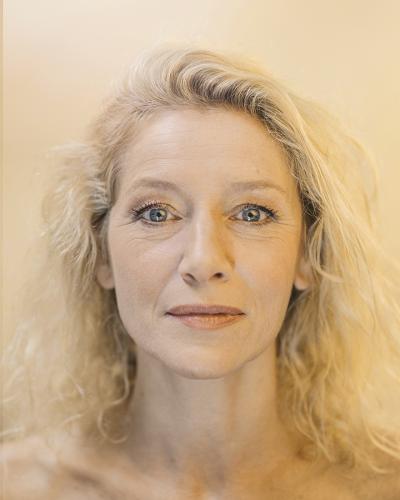
-

-
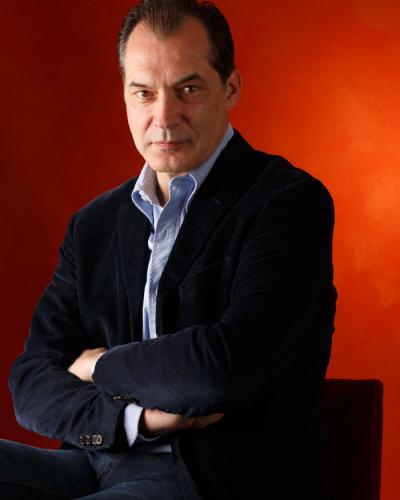
Samuel
LabartheThésée, fils d’Egée, roi d’Athènes
-

-

Gallery
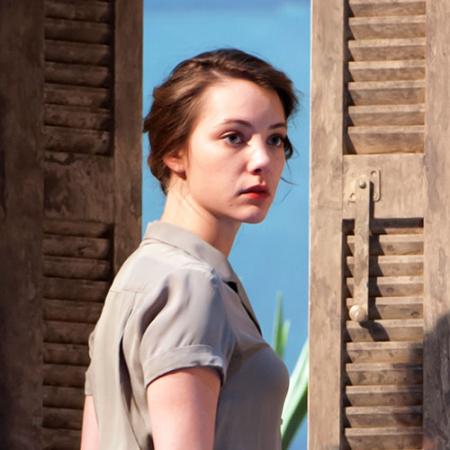
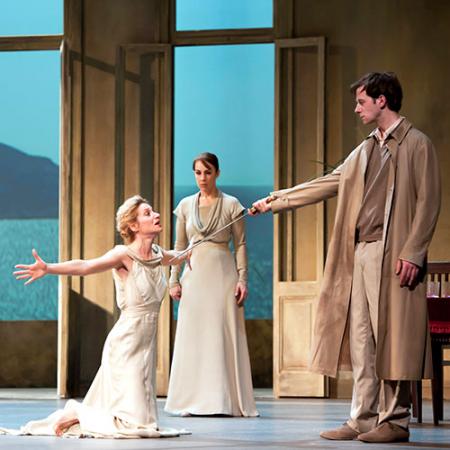
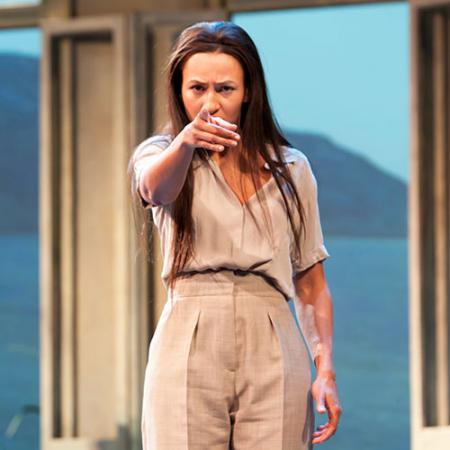
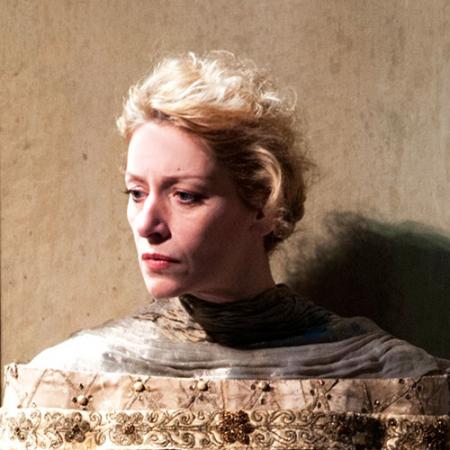
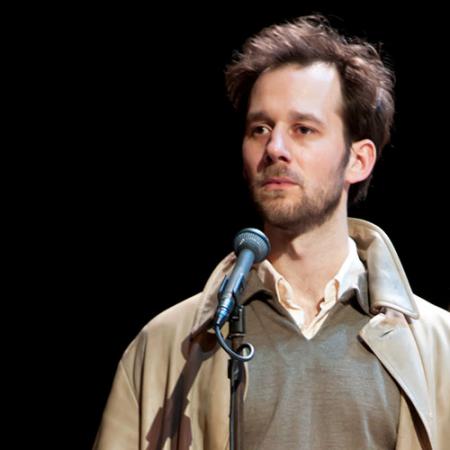
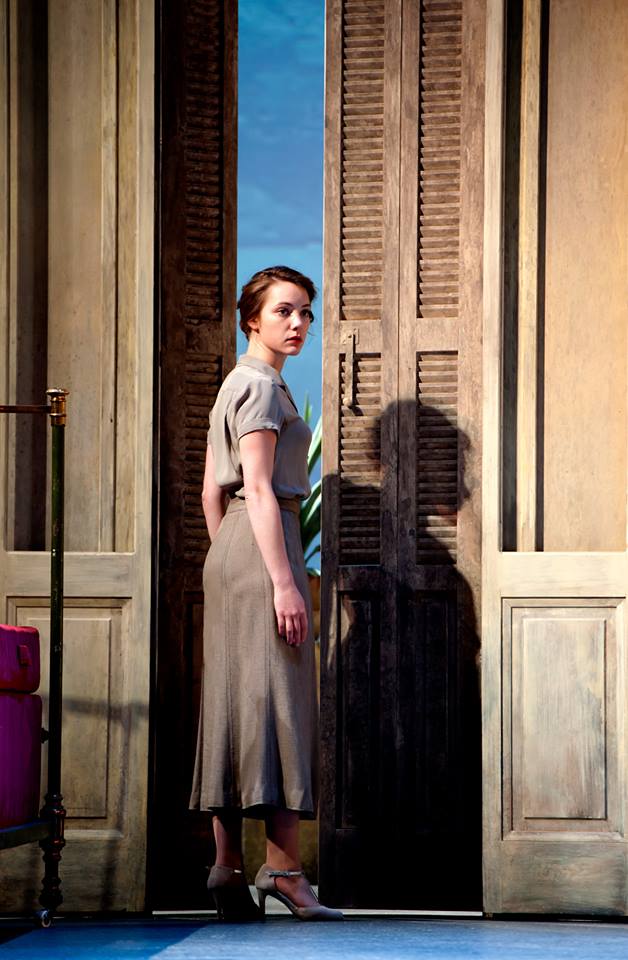
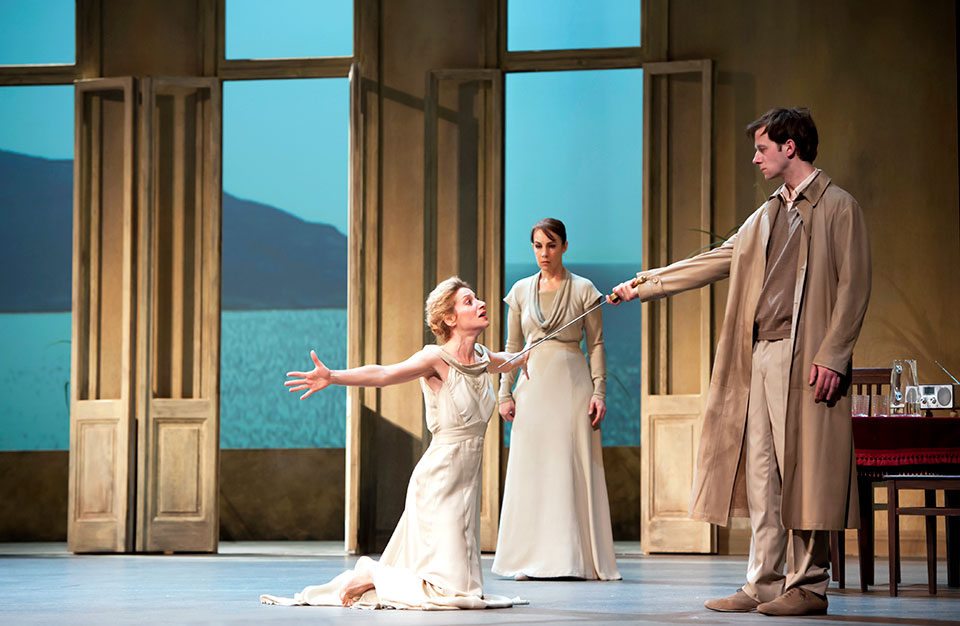
Phèdre 13/14
Elsa Lepoivre, Clotilde de Bayser, Benjamin Lavernhe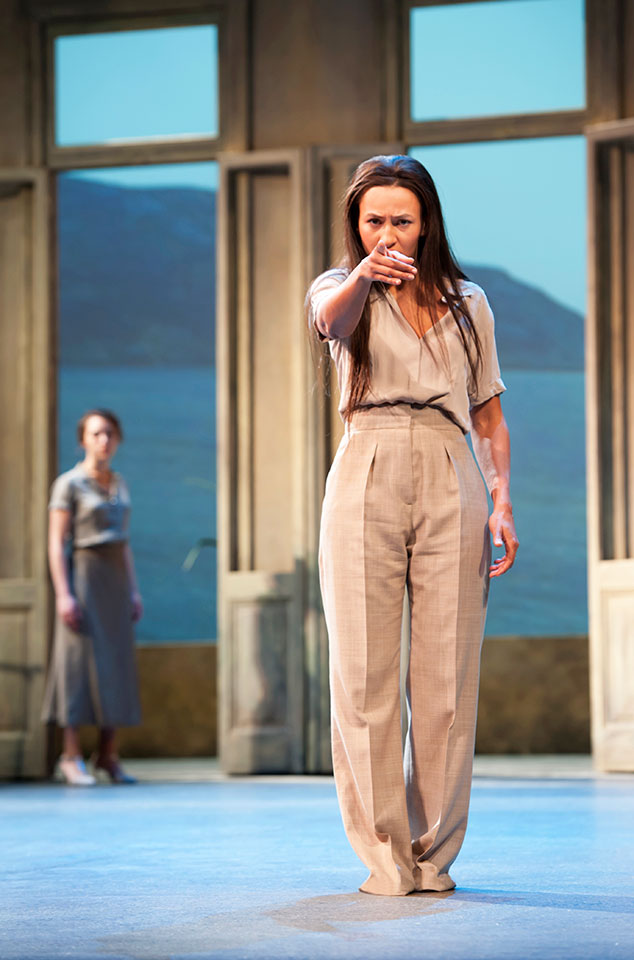
Phèdre 13/14
Claire de La Rüe du Can, Léonie Simaga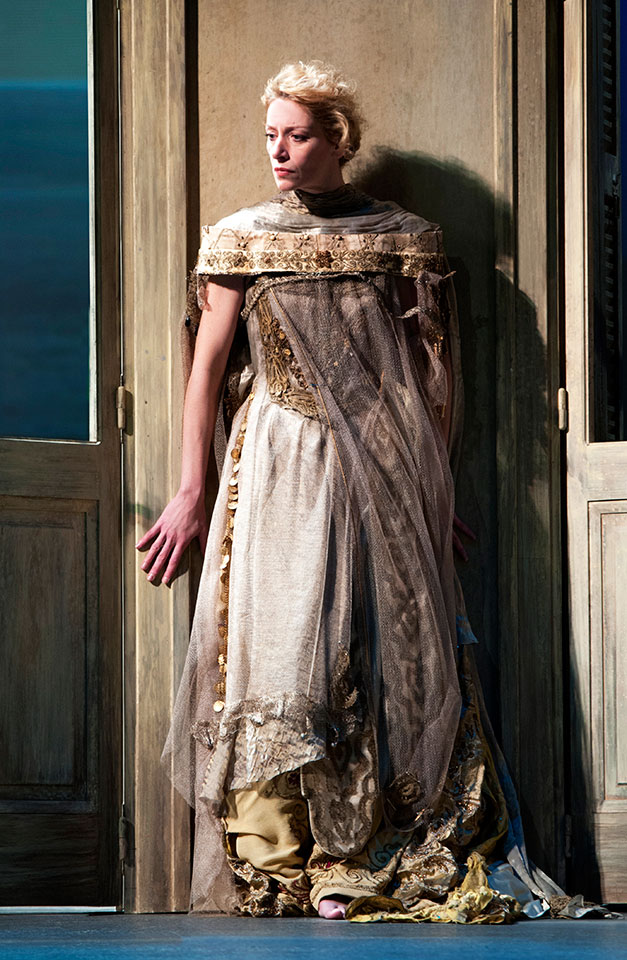
Phèdre 13/14
Elsa Lepoivre