Dom Juan ou le Festin de pierre
Dom Juan or the Feast with the Statue
by Molière
Directed by Jean-Pierre Vincent
Richelieu
Richelieu
Dom Juan ou le Festin de...
2013-10-28 00:00:00 2014-02-09 00:00:00
Don Juan, “the man who would marry all humankind”, has lured Dona Elvira from her convent, seduced and abandoned her. She pursues him in vain while he has already turned his attention to a new conquest, with his faithful servant Sganarelle in tow.
A storm leaves him washed up on a beach where he proposes to two peasant girls and slaps a fisherman. With Elvira’s brothers in chase, he is forced to flee again. Lost in a forest, he incites a poor hermit to commit blasphemy, saves Don Carlos, one of Elvira’s brothers, from bandits, and invites to dinner the statue of a Commander he killed in the past. Upon returning home, he sends his biggest creditor packing, maliciously dismisses his father’s reproaches and tries to again seduce Elvira who has returned again to speak to him about his salvation. To his great surprise, the statue comes to dinner and invites him in return. Sensing that the situation is starting to become perilous, Don Juan decides to dupe his father and Sganarelle by feigning newfound piety only to praise the hypocrisy of those in power. Too late: after being challenged to a duel by Don Carlos and seeing the ghost of a woman who appears as an allegory of death, the statue returns and drags the young renegade down to hell.
Molière, the author
Don Juan or The Feast With The Statue is a central (and unique) play in Molière’s oeuvre. Of a somewhat unclassifiable genre, neither comedy nor tragedy, the play swings between the two, at times comic and at times tragic, in a free and unpredictable development. Molière adapted at great expense this fable well-known to Parisian theatres (there had been two Italian and two French versions in the space of a few years). He was gambling on a big hit, which he needed, but was also taking aim at his eminent enemies in the process: the pious group around the queen mother which sought to influence the young Louis XIV. Despite triumphing, the play was quickly withdrawn from performance. After this experience, Molière never again tried to tackle political interests head on.
Jean-Pierre Vincent, the director
After positions as artistic director of the Théâtre National de Strasbourg, the Comédie-Française and the Théâtre des Amandiers in Nanterre, today Jean-Pierre Vincent divides his time between directing and teaching, with a focus on contemporary writing. The project of directing Don Juan had been with him for a long time. His staging is rich in multiple interpretations and possible orientations of the play, but also of the myth of Don Juan, seeking to render the activity rather than the topicality of Molière’s text in a journey to the 17th century where every word must be performed in the present. Like in Alfred Jarry’s Ubu Roi, which he directed at the Comédie-Française in 2009, the play revolves around an eternal and omnipresent couple, here Don Juan and Sganarelle. The two accomplices pass through the world in a manner that is strange and erratic, combative and polemical, in the midst of very serious issues and bursts of burlesque humour.
2:50 WITH AN INTERMISSION

Creative team
Direction****: Jean-Pierre Vincent
Dramaturgy****: Bernard Chartreux
Direction assistant****: Frédérique Plain
Sets: Jean-Paul Chambas
Artistic collaboration to sets****: Carole Metzner
Costumes****: Patrice Cauchetier
Lights****: Alain Poisson
Sound: Benjamin Furbacco
Make-up****: Suzanne Pisteur
Stunts****: Bernard Chabin
Distribution
the company

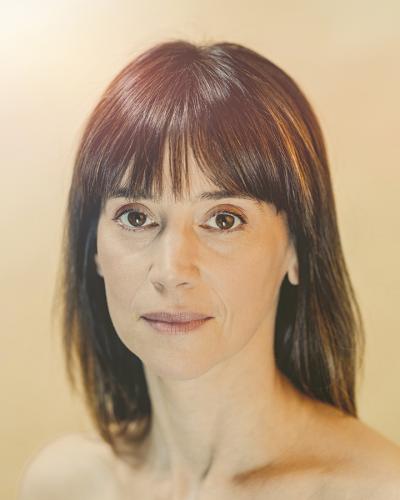
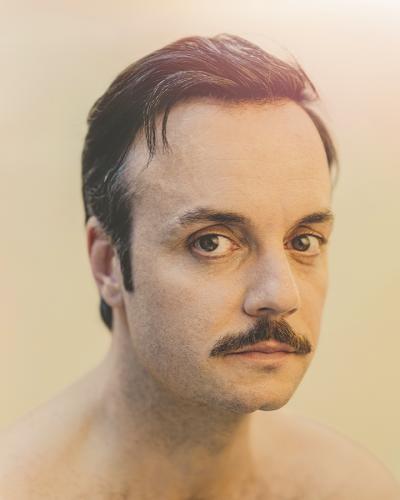
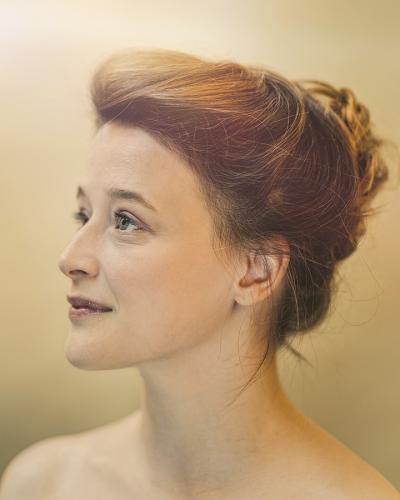
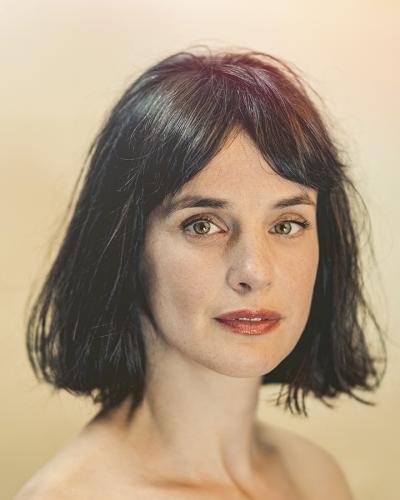
The Comédie-Française Academy
-

Lola
FelouzisRagotin
-
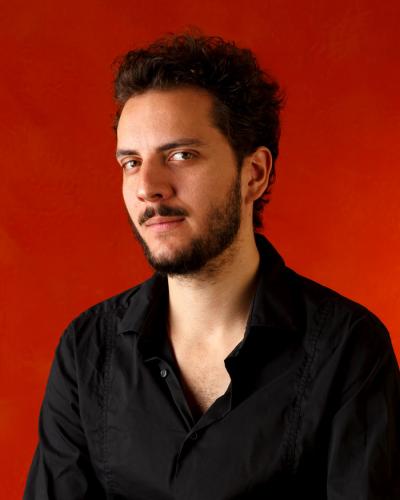
Matej
HofmannLa Ramée
-

Gabriel
TurRagotin
-
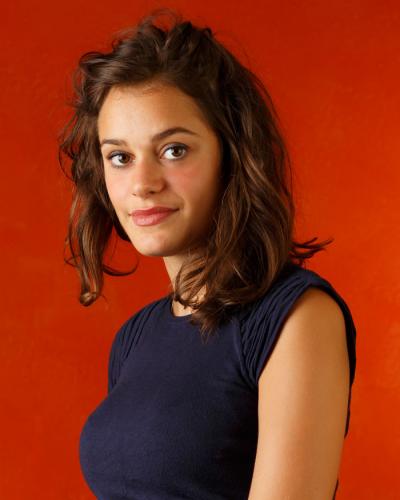
Pauline
TricotLa Violette
and
Jean-Michel Rucheton: The Statue of the Commendatore