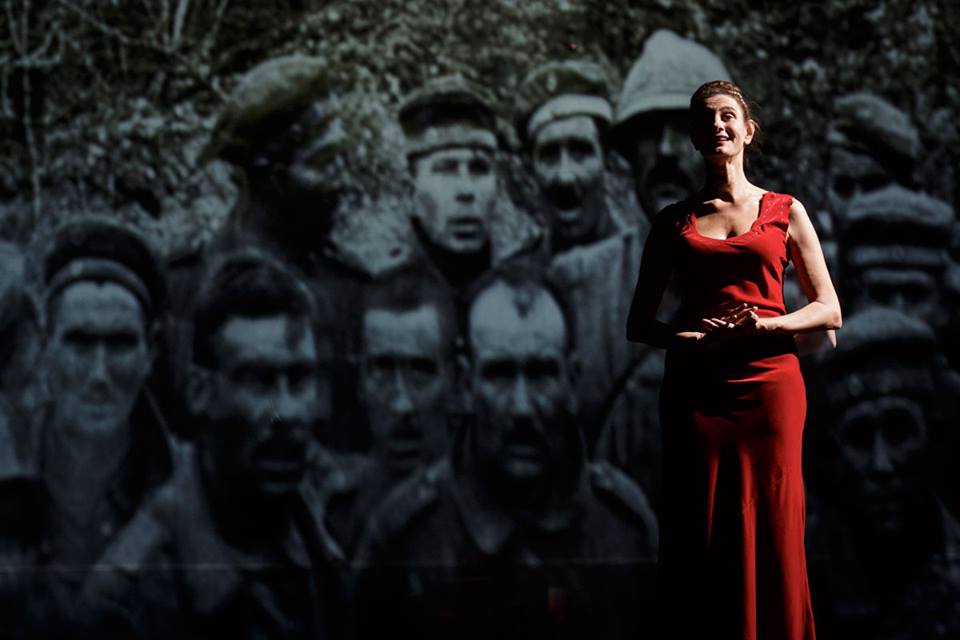
Les Derniers jours de l'humanité
The Last Days of Mankind
by Karl Kraus
Directed by David Lescot
Vx-Colombier
27 January 28 February 2016
Vx-Colombier
Les Derniers jours de...
2016-01-27 00:00:00 2016-02-28 00:00:00
Karl Kraus and David Lescot. The first who observed Europe tearing itself apart from Vienna. The second who has placed war and the great upheavals of mankind at the heart of his work.
Karl Kraus / David Lescot.
The first, a playwright, poet and satirical journalist who observed Europe tearing itself apart from Vienna, capital of an Austro-Hungarian Empire that would be wiped off the map in 1918. The second, a theatre practitioner –variously as playwright, director, and composer– who has placed history, war and the great upheavals of mankind at the heart of his work. Between 1915 and 1917, Karl Kraus wrote The Last Days of Mankind, a monumental, multiform play, neither synthesis nor invective, in which he leaves it to his era to accuse itself, to dishonour itself, and to the multiple parties responsible to point the finger at themselves. From The Central Commission for Children, about the summer camps for the children of Jewish communists, to Those Who Remain, based on the testimonies of two survivors of the Warsaw Ghetto, David Lescot constantly questions our memory. Regarding Kraus, he states, “The Last Days of Mankind has become a document for us, a valuable archive, and due to its poetic dimension and the scope of his project, it is also much more than that. Imagination seconds observation in this play; it is the work of an observant imagination, equal to the event it describes, the greatest text to come out of the First World War.”

Creative team
Conception et mise en scène : David Lescot
Traduction : Jean-Louis Besson et Heinz Schwarzinger
Scénographie : Alwyne de Dardel
Costumes : Sylvette Dequest
Lumières : Laïs Foulc
Vidéo : Serge Meyer
Conseiller artistique aux images d’archives : Laurent Véray
Maquillages et coiffures : Catherine Nicolas
Collaboratrice à la mise en scène : Charlotte Lagrange
Assistante aux costumes : Magali Perrin-Toinin
Distribution
the company
-
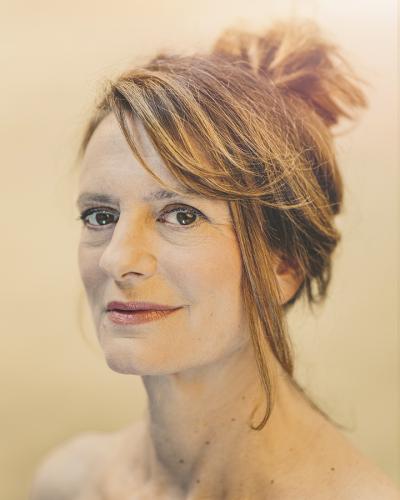
Sylvia
See biography
Bergé -
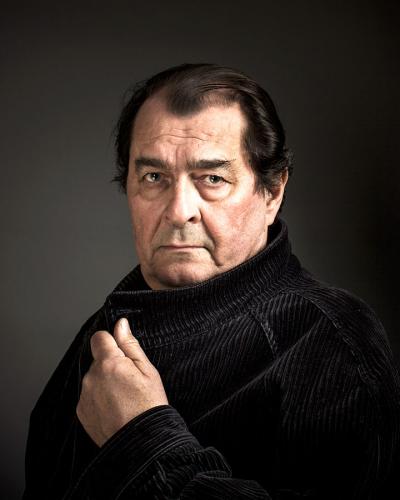
Bruno
See biography
Raffaelli -

Denis
See biography
Podalydès -

Pauline
See biography
Clément
and with
Piano: Damien Lehman
Gallery
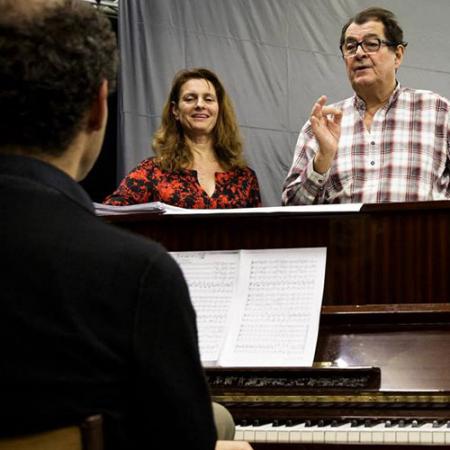


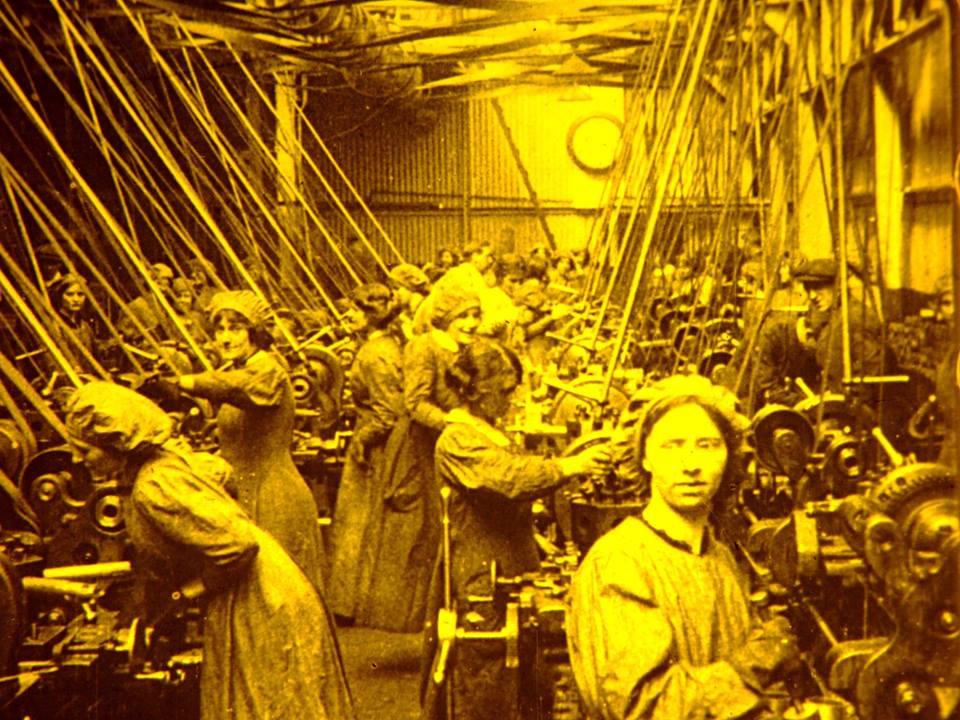
Les Derniers jours de l'humanité 15/16
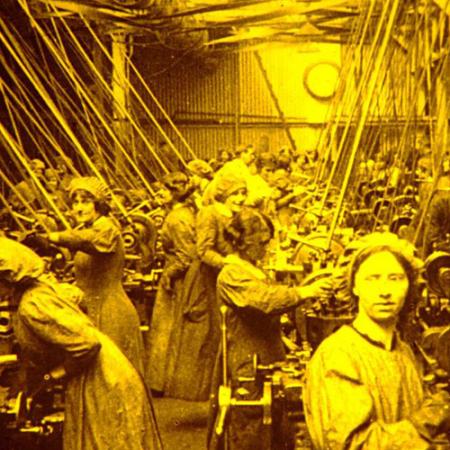
Fabrication des munitions et du matériel de guerre (1916), photogramme correspondant à une première sélection des films prévus par Laurent Véray pour le spectacle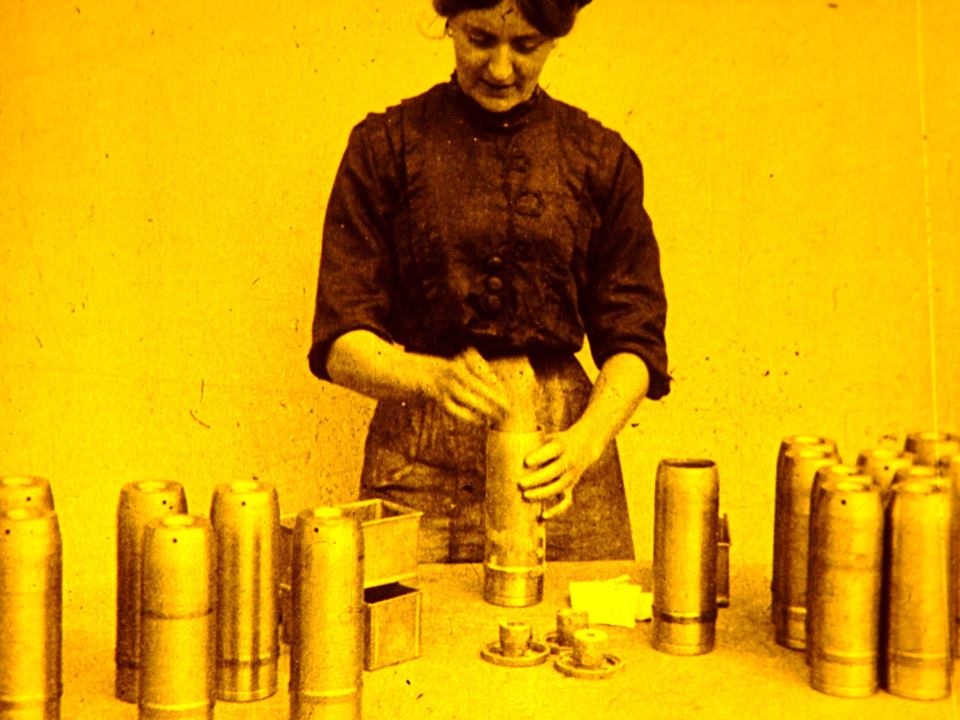
Les Derniers jours de l'humanité 15/16
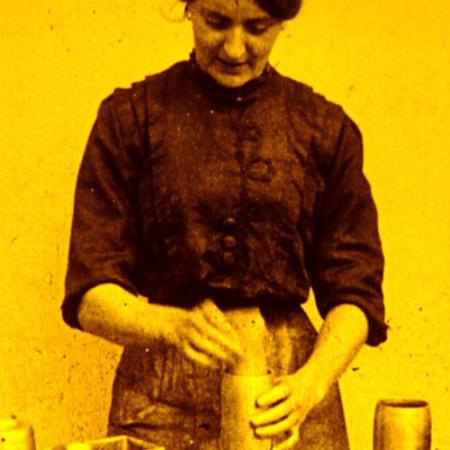
Fabrication des munitions et du matériel de guerre (1916), photogramme correspondant à une première sélection des films prévus par Laurent Véray pour le spectacle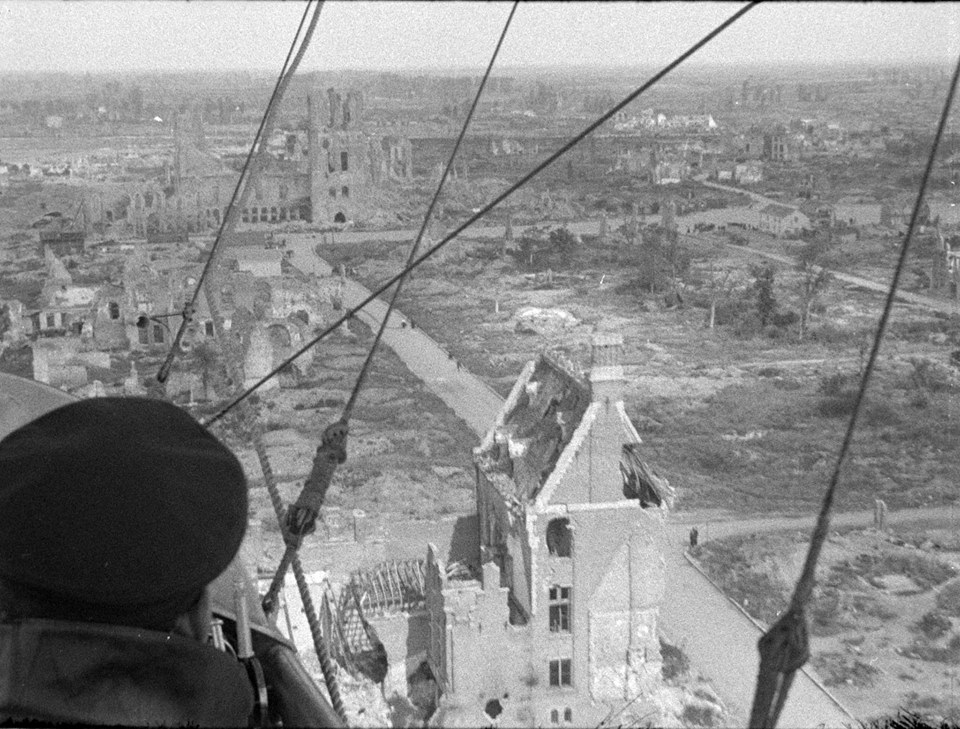
Les Derniers jours de l'humanité 15/16
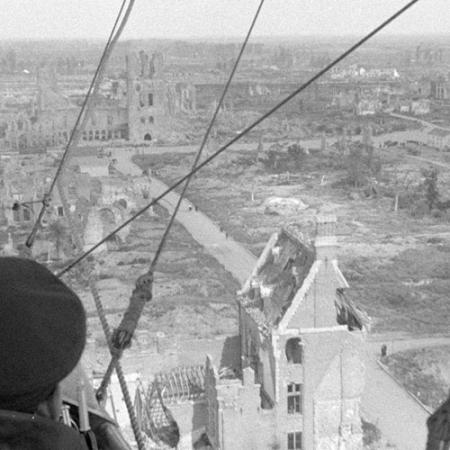
En dirigeable sur les champs de bataille (1919), photogramme correspondant à une première sélection des films prévus par Laurent Véray pour le spectacle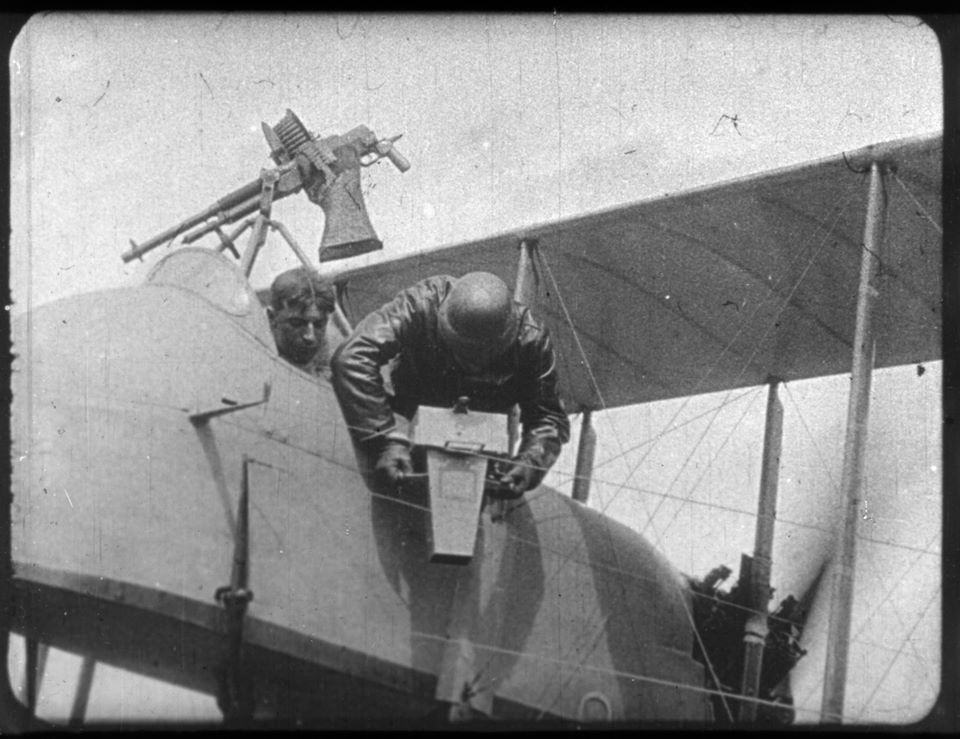
Les Derniers jours de l'humanité 15/16
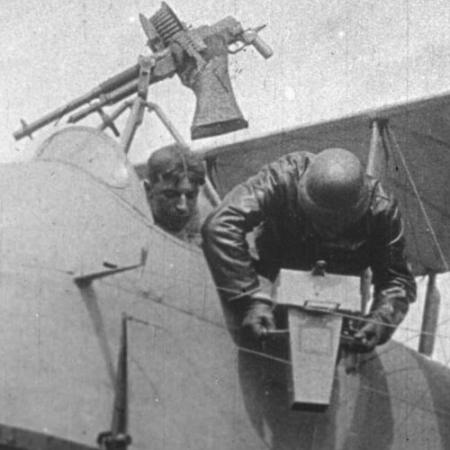
L' Aviation française sur le front (1915), photogramme correspondant à une première sélection des films prévus par Laurent Véray pour le spectacle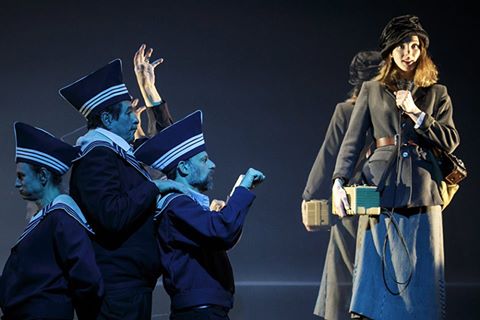
Les Derniers jours de l'humanité 15/16
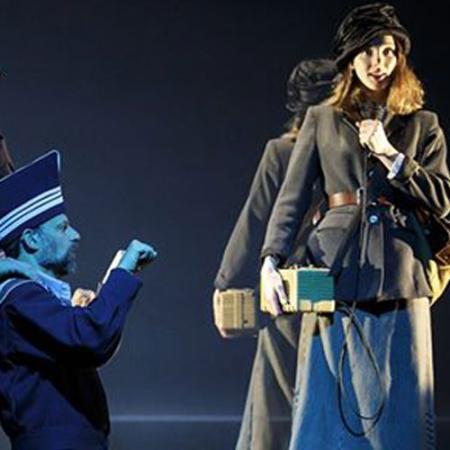
Sylvia Bergé, Bruno Raffaelli, Denis Podalydès and Pauline Clément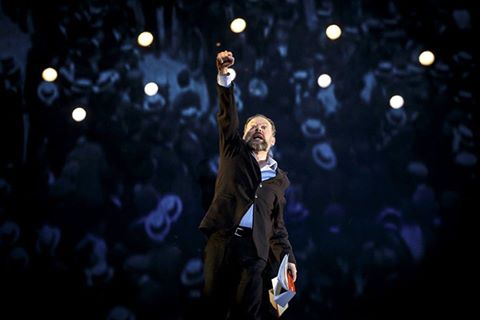
Les Derniers jours de l'humanité 15/16
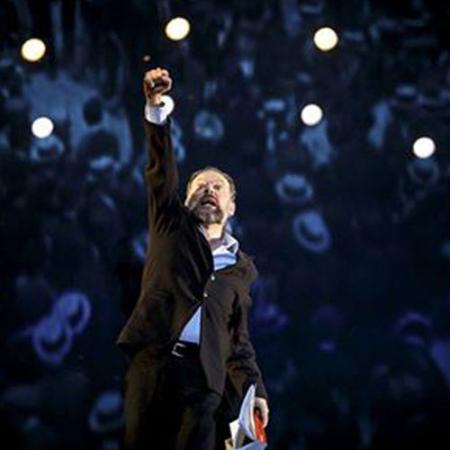
Denis Podalydès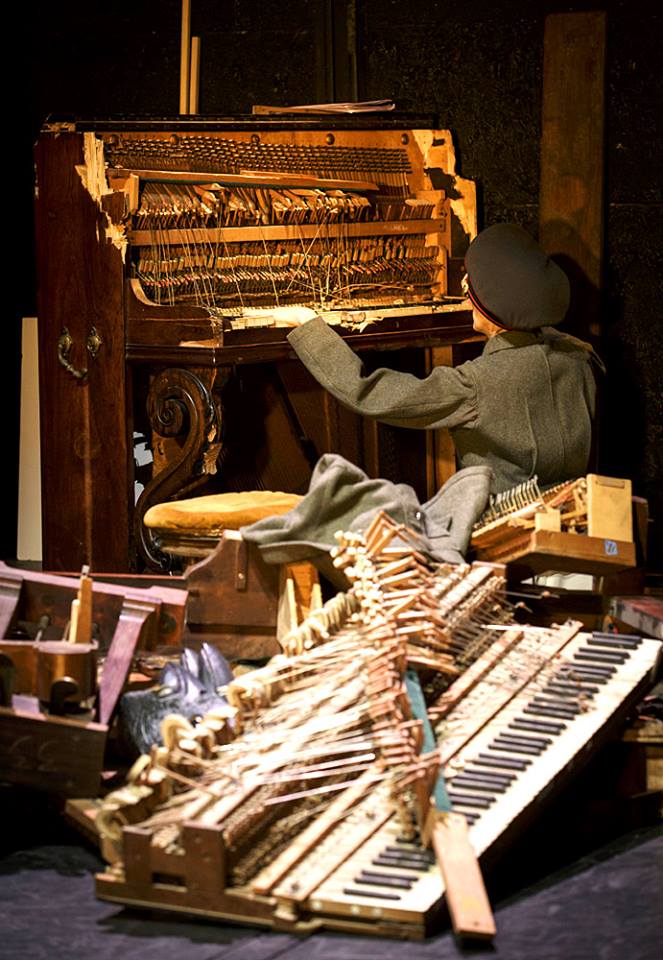
Les Derniers jours de l'humanité 15/16
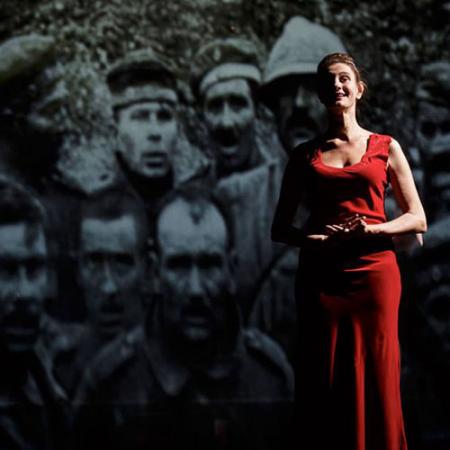
Pauline Clément
Les Derniers Jours de l'humanité 15/16
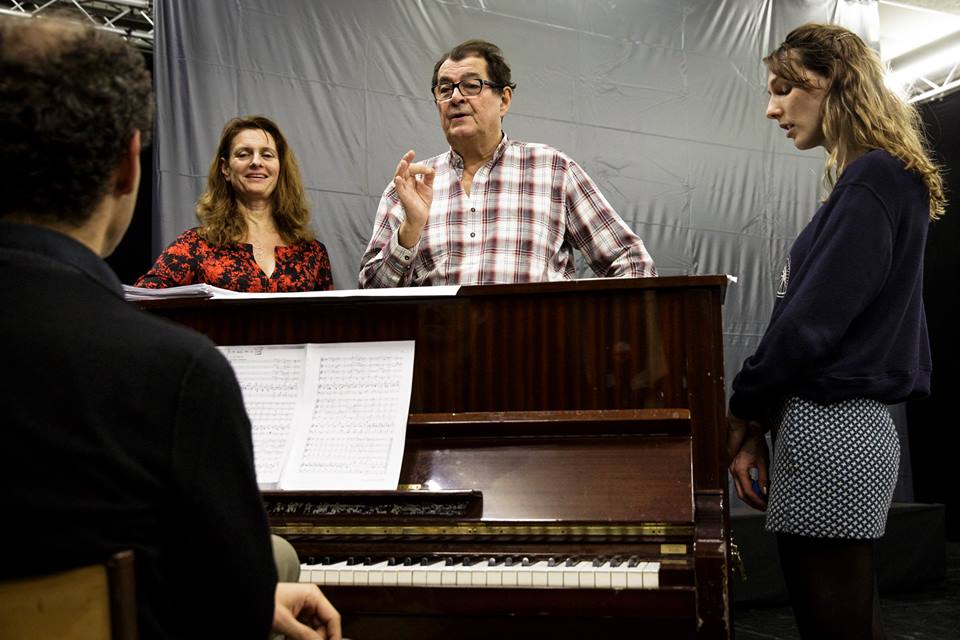
Damien Lehman and Pauline Clément