Lucrèce Borgia
Lucrezia Borgia
by Victor Hugo
Directed by Denis Podalydès
Richelieu
Richelieu
Lucrèce Borgia
2015-04-14 00:00:00 2015-07-19 00:00:00
Ferrara is ruled by the sinister and pernicious Lucretia Borgia, a woman of power, her hands stained with blood and her body by incest, who has added fratricide to the Borgia family’s crimes.
Gennaro, the fruit of her union with her brother, is unaware of his parents’ identity. During a ball in Venice, Gennaro courts a masked beauty before discovering, to his horror, the face of Lucretia, trembling with love for the son she approaches secretly, under cover of the carnival. Stung by the insults of Gennaro’s friends who unmask her, and suspected of adultery by her husband Don Alfonso, Lucretia sets in motion a harrowing revenge whose implacable intent is inextricably linked to the fate of her son.
Victor Hugo, the author
In 1832, three years after the censorship of Marion Delorme and the momentous Hernani, “battle” between supporters of classicism and romanticism, Victor Hugo (1802-1885) wrote Lucretia Borgia and one month later The King’s Fool. “Born at the same time in the same place of the heart” (Preface), the two plays differ in their form and destiny. The King’s Fool was banned by royal authority after the first performance at the Comédie-Française while Lucretia Borgia, whose rehearsals Hugo diligently attended, enjoyed a successful run at the Théâtre de la Porte Saint-Martin. Hugo distorted the historical facts and adapted them to his dramatic vision by attributing the crime of fratricide to Lucretia rather than to Caesar Borgia. The fine, literary, patron of the arts is thus transformed into a monster of maternal love. Considered by George Sand as Hugo’s “most powerful” work, Lucretia Borgia, the embodiment of a “theatre of cruelty” as conceived by Antonin Artaud, represents for its author a victory over royal power and censorship.
Denis Podalydès, the director
Denis Podalydès joined the Comédie-Française in 1997 and became its 505th sociétaire in 2000. He returns to the Romantic century for his third staging at the Comédie-Française after Cyrano de Bergerac (2006) and Fantasio (2008). For him, Victor Hugo’s appeal lies in his impetuous, theatrical language, “fully saturated with dreams” and devoid of restraint, in which rhetorical excess compounds moral debauchery. The staging by Vitez (1985), which he described as “carved into the very flesh of night”, fuelled Denis Podalydès’ desire to let himself be guided by Hugo’s lyricism so as to “descend more profoundly into the dark abyss of Lucretia Borgia, an ambivalent and subversive tragedy, a sort of monster of beauty and impropriety” and return to the “poetic violence of the melodrama”.
Accessibility
This show is accessible to deaf and hard of hearing people
19/05/2015 - 20:30
24/05/2015 - 14:00

Creative team
Direction****: Denis Podalydès
Direction assistant****: Alison Hornus
Scenography****: Éric Ruf
Scenography assistant****: Dominique Schmitt
Costumes****: Christian Lacroix
Lights****: Stéphanie Daniel
Sound design****: Bernard Vallery
Make-up and VFX****: Dominique Colladant
Make-up assistant****: Laurence Aué and Muriel Baurens
Masks****: Louis Arene
Choreography****: Kaori Ito
Distribution
the company
-
-

-

-
-
-
-
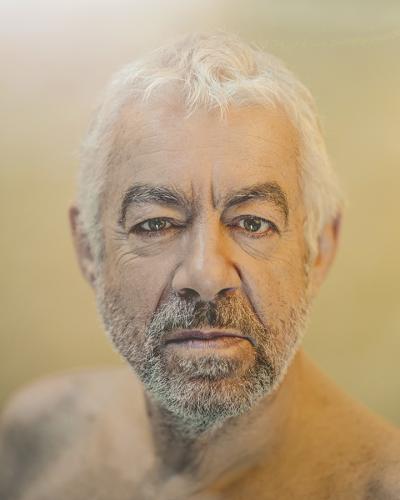
-
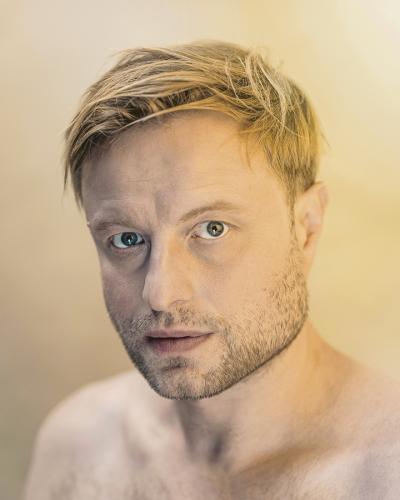
-
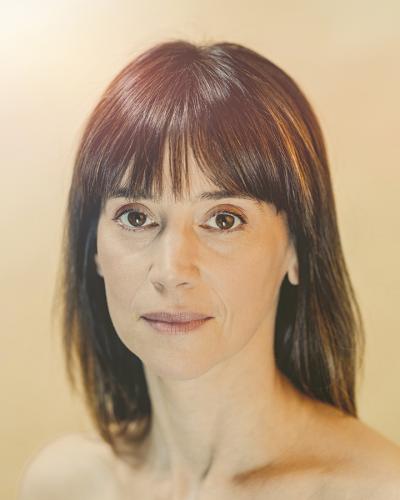
-
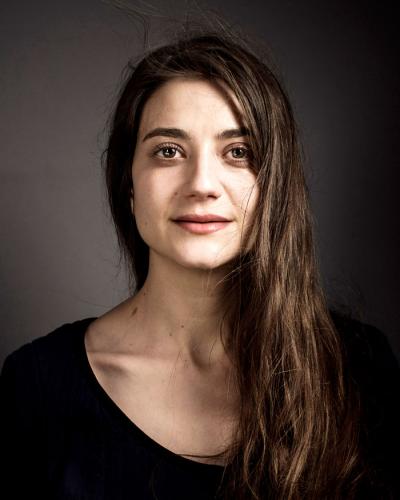
-
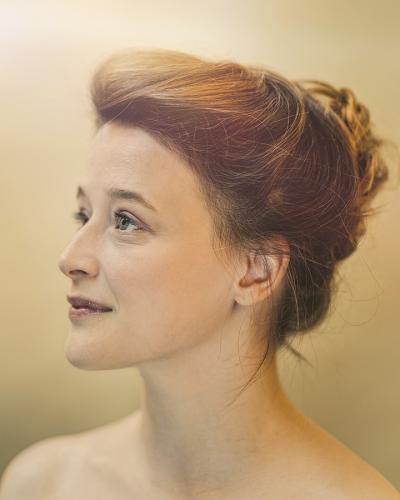
-
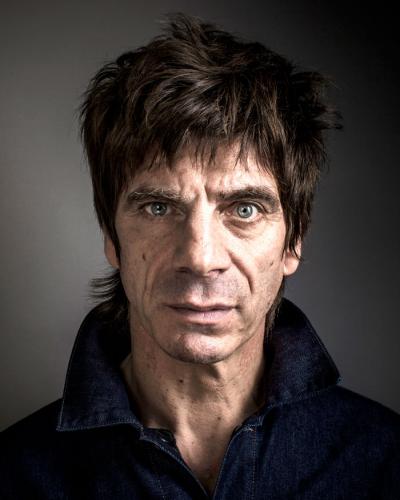
Elliot
JenicotAstolfo et Montefeltro (en alternance)
-
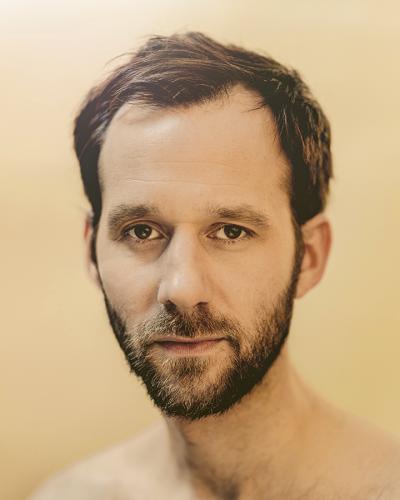
-
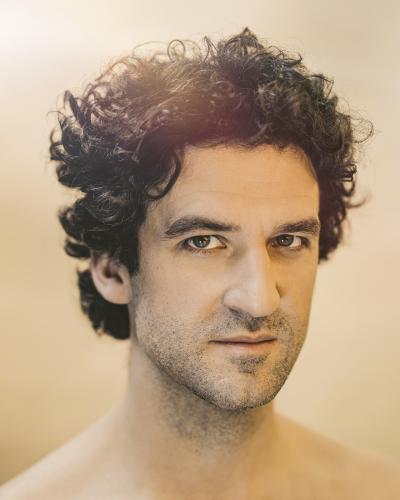
-
The Comédie-Française Academy
-
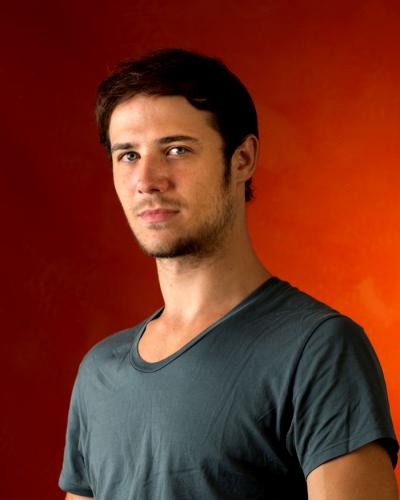
Valentin
RollandAscanio
-
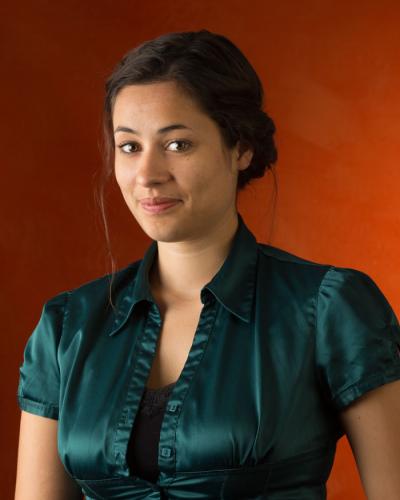
Claire
BoustTrois Femmes et Trois Soldats
-

Charlotte
FermandTrois Femmes et Trois Soldats
-
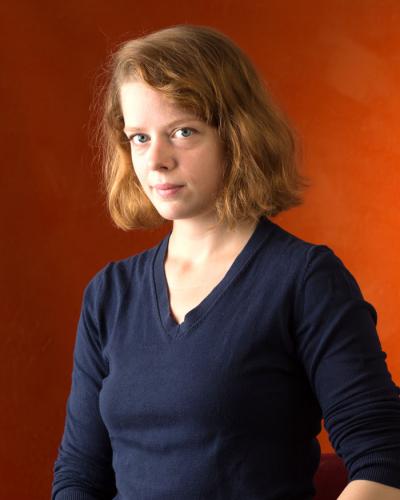
Solenn
LouërTrois Femmes et Trois Soldats